
Can Cow Worship Teach Us the True Meaning of Kindness?

Kindness is reflected in the way we treat other living creatures, including animals. Cow worship holds a special place in Indian culture and Hindu traditions, where cows are associated with motherly love, fertility, and wealth. Cow pooja is a ritual that reflects people’s gratitude for cows’ contributions and kindness towards these wonderful creatures. As well as, it conveys respect for other living beings in general.

The Spiritual Meaning of Cow Worship

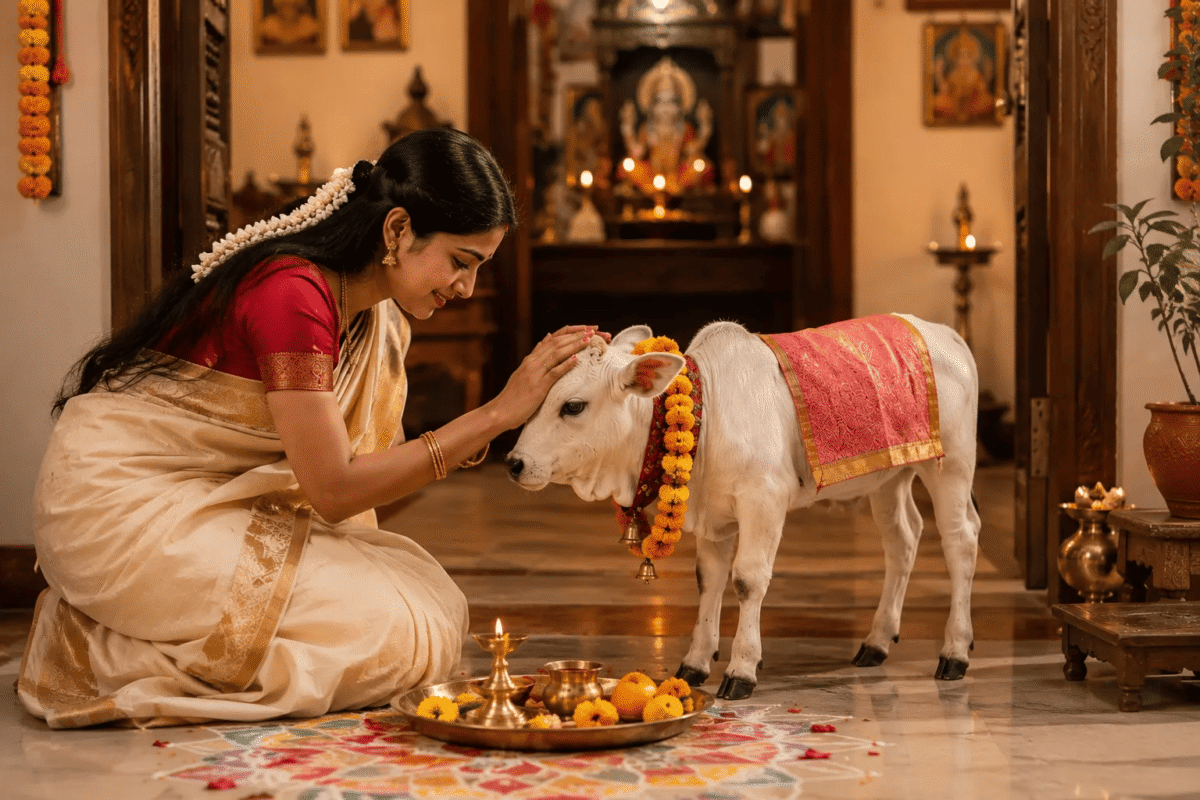
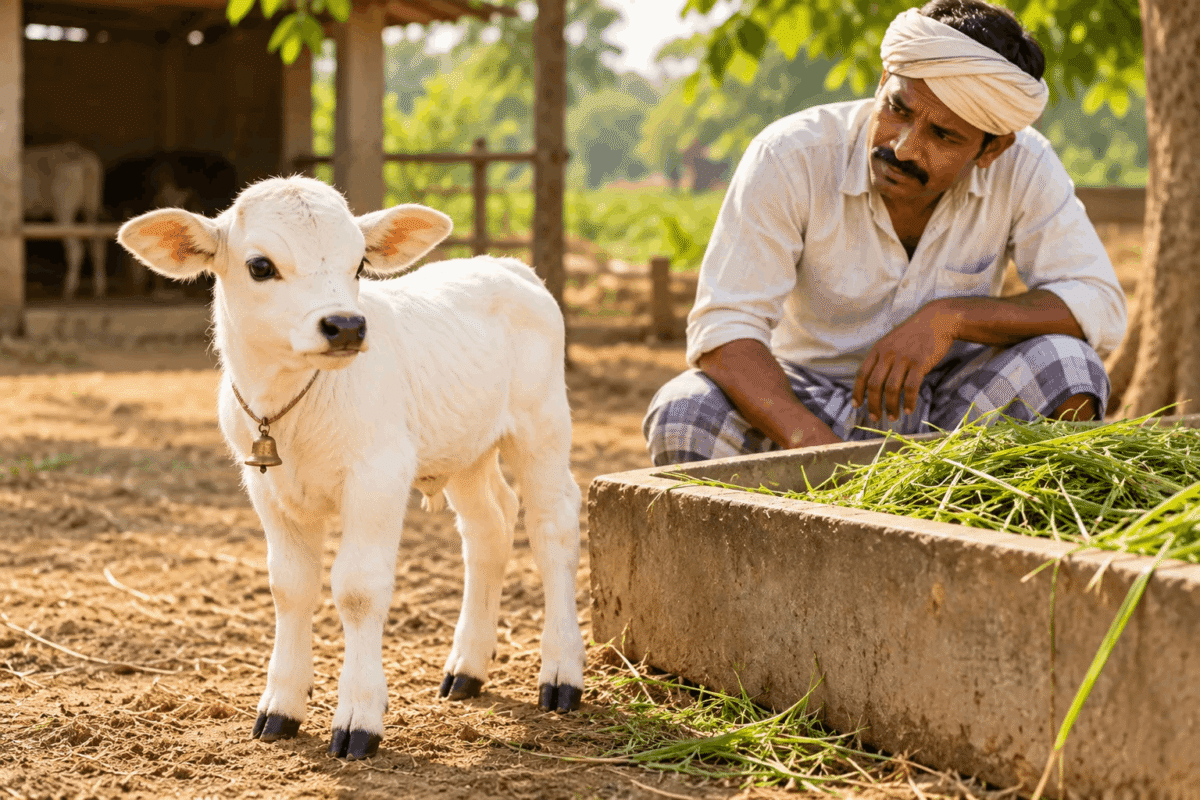
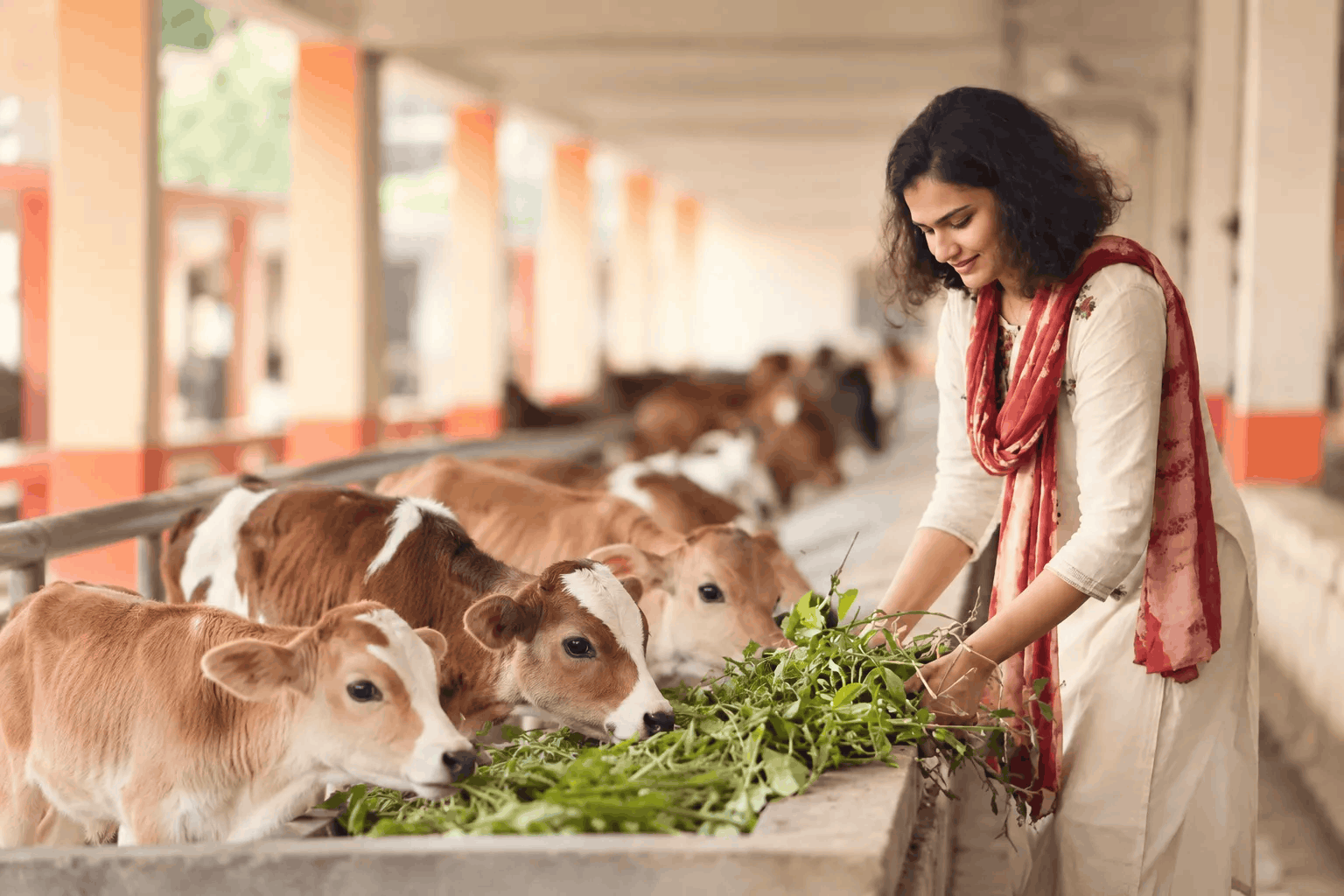
Cow pooja is a Hindu ritual in which devotees pray and seek to show respect and devotion to cows. During religious events, people decorate cows with flowers, apply turmeric and kumkum in appropriate places, and offer them suitable food.

Cows have long been held in high esteem for the milk that they produce and their role in the agricultural setting. For some followers, it has also been a form of worship, a way to pay homage to nature for its gifts.

The practice encourages people to become self-conscious about how they treat animals in their everyday lives.
Cow care

How Cow Pooja Teaches Us Kindness

Cow pooja can teach us that kindness is based on understanding the needs of the living creatures around us. These creatures, usually animals, are dependent and reliant on humans for protection and care, especially when living in shelters or around human habitats.

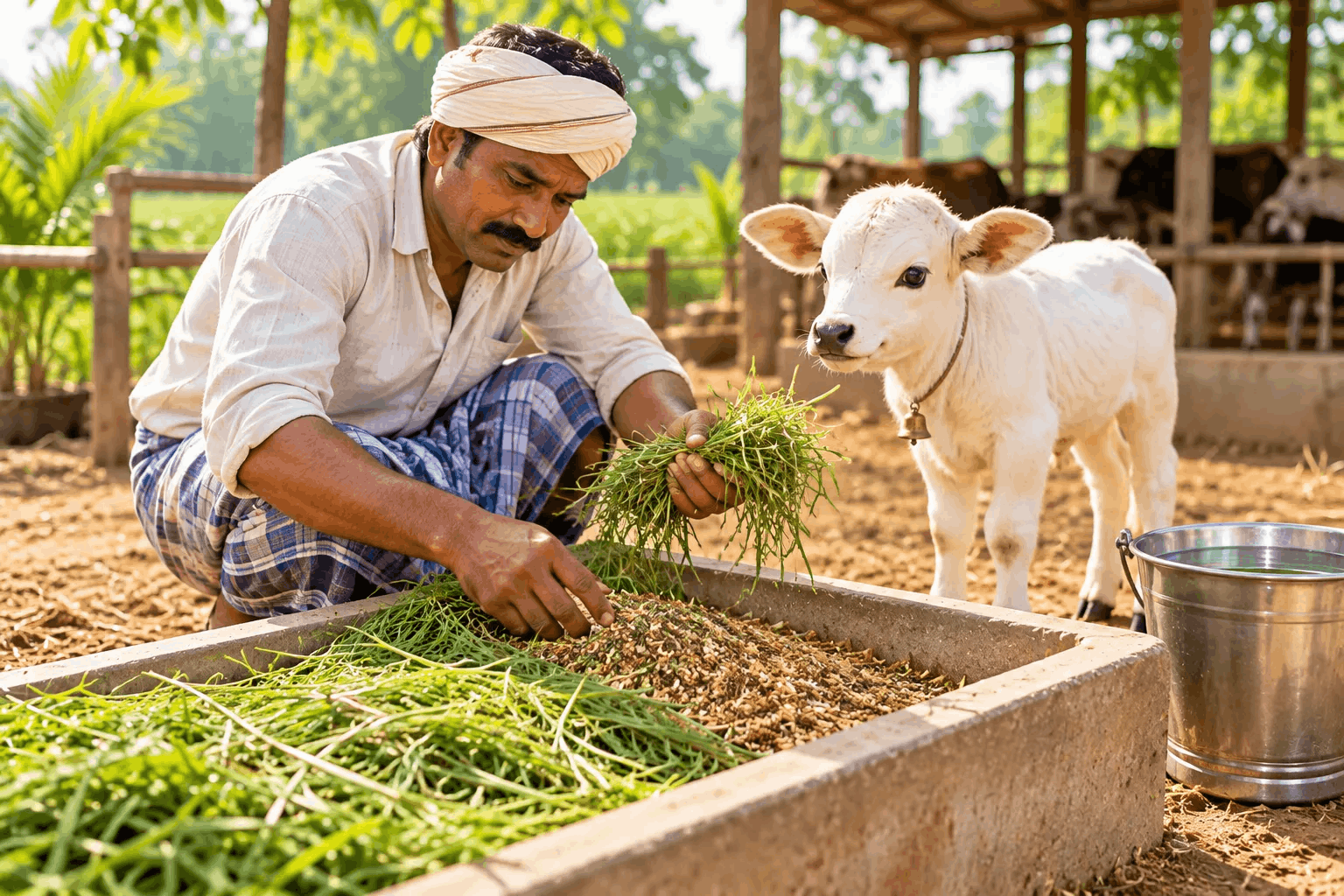
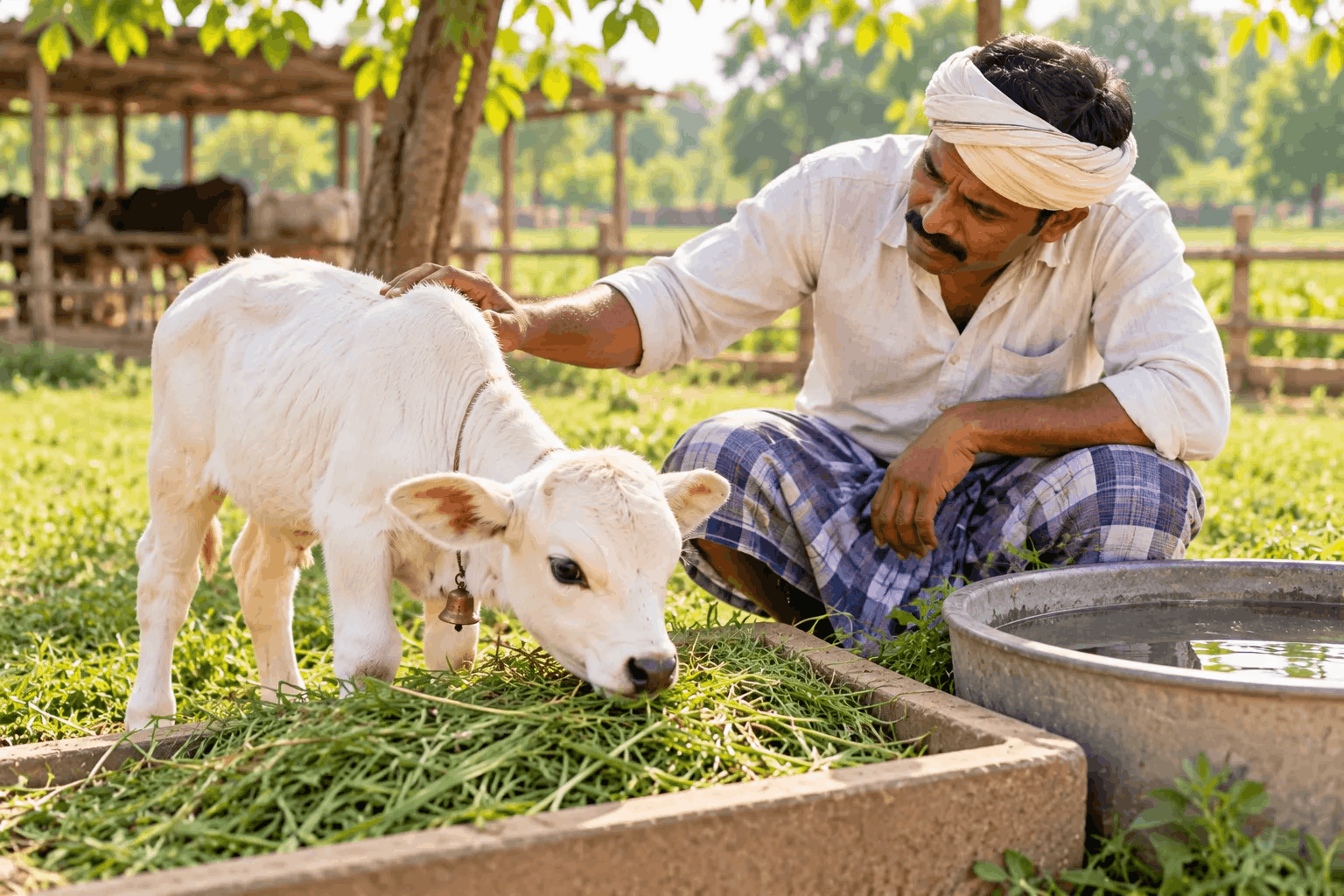
When we feed them properly, give them water, and let them rest somewhere clean, it shows our love for the cows. These are all little things we can do to improve a cow’s life.

The tradition can teach the children to empathize. Making them treat the animals gently can give them a sense of respect for life and make them responsible in the future.

Simple Ways to Show Kindness to Cows

We can practise the values of cow pooja through simple actions throughout the year:

  • Provide suitable food: Provide suitable feed with the guidance of a knowledgeable caretaker.
  • Keep fresh water available: Ensure cows have access to drinking water.
  • Support their health: Help them receive veterinary attention when required.
  • Offer safe shelter: Keep their environment clean and protect them from adverse weather.
  • Treat them gently: Do not attempt to intimidate or harm the animal or put it in any dangerous situation.
  • Support animal shelters: Help out the organisations taking care of the animals.

These actions show that respect for animals can be part of our everyday routine, not just a religious occasion.

Passing Kindness to Future Generations

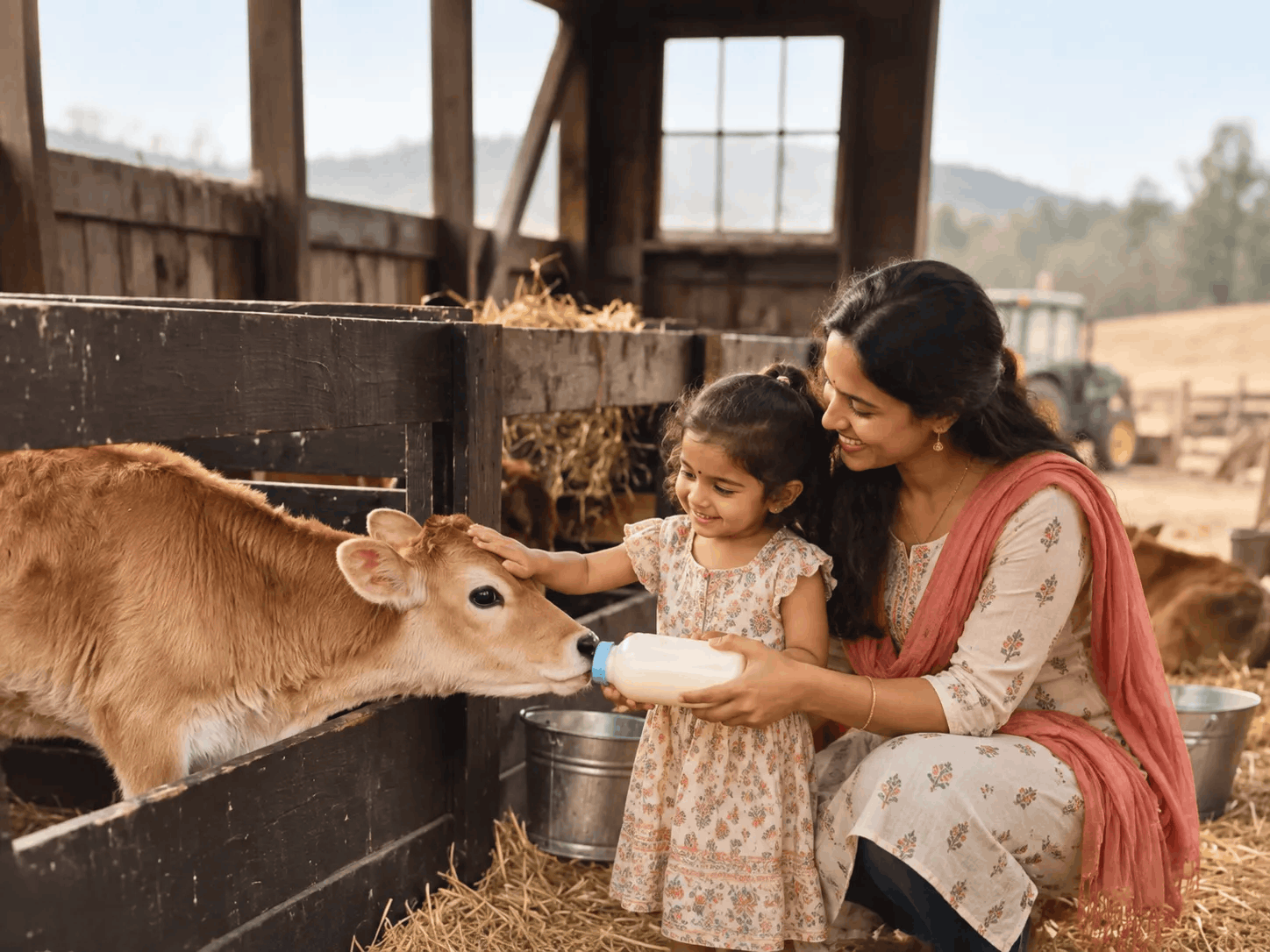
As a result of being taught about cow pooja, children learn how to appreciate, show patience, and be compassionate. Parents can teach them how to be kind to animals.
Cow Kindness

Although values and traditions vary from one family to another, treating animals with kindness remains an important part of daily life.

Celebrate Cow Worship Through Kindness

Cow pooja helps us honor the age-old traditions while reminding us of our responsibility towards animals. Devotion to animals is a far greater pleasure.

Show love, faith, and compassion to animals this festive season with our Cow Pooja. Make your celebrations worthwhile this year by helping cows and spreading kindness throughout the year.

References Link: https://pmc.ncbi.nlm.nih.gov/articles/PMC5981275/
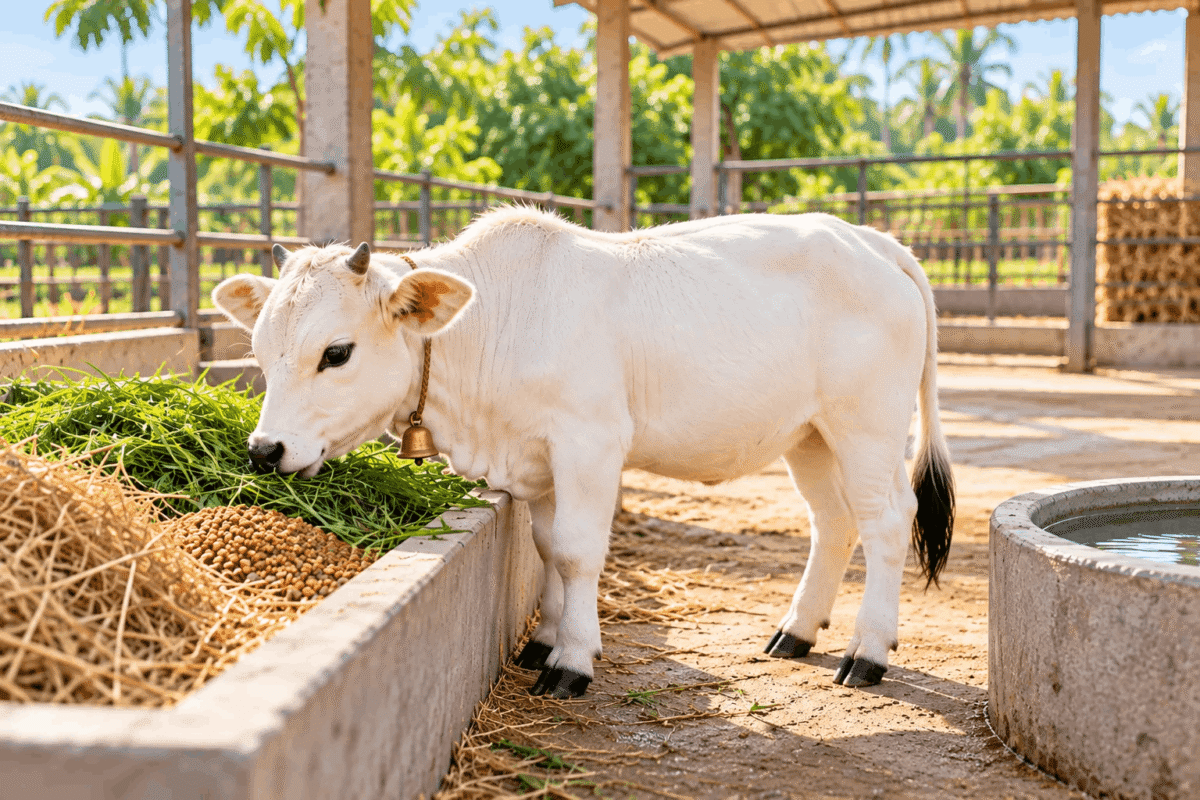
What Makes Mini Cow Breeds Different From Calves

Have you ever seen a small cow and thought, “This is a miniature cow, but isn’t this a baby calf too?” 🐮 This is something that people ask often. While miniature cows and calves do have some similarities, there is actually a huge difference between the two. Find out more about these differences right here!

What Is a Mini Cow?

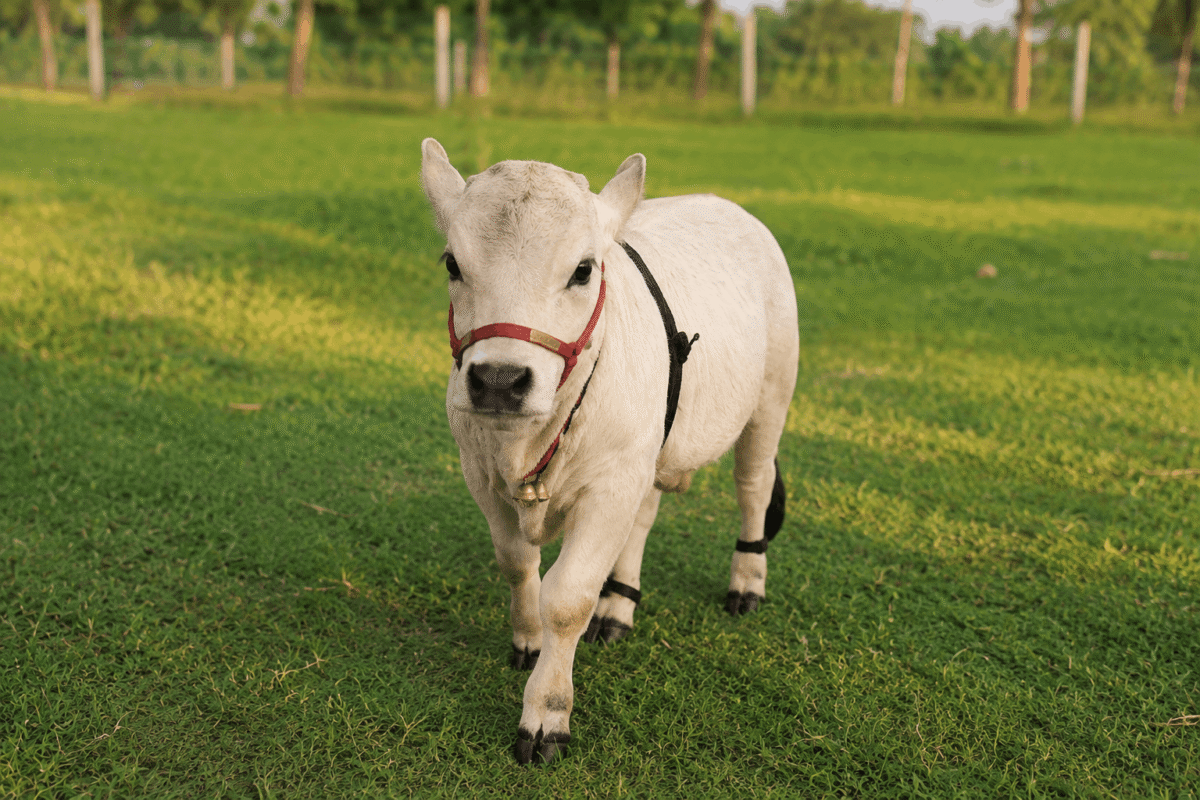
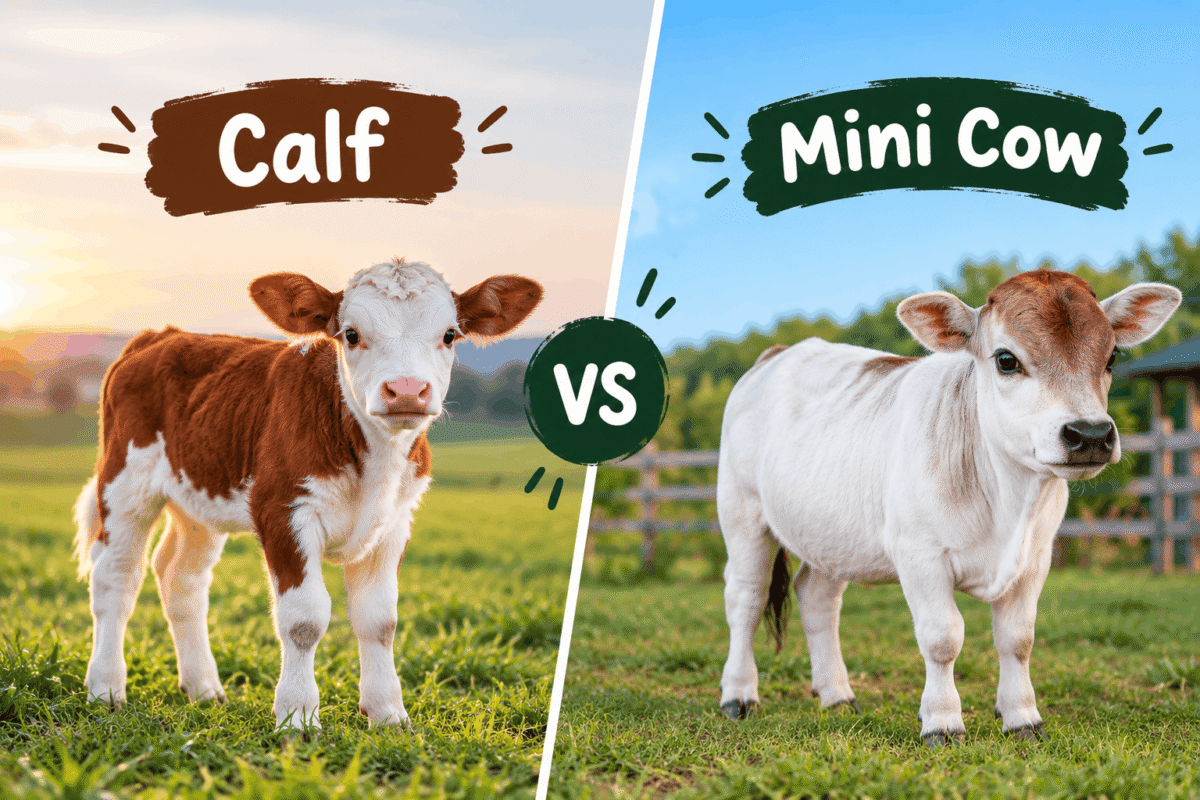
A mini cow is any small-sized member of the cattle family belonging to a naturally small breed or is bred to be small-sized. Unlike ordinary calves, a miniature cow remains small even when it becomes an adult.

Miniature cows have gained a lot of popularity among cattle owners due to their tiny build and cute looks. But the final adult size of mini cattle varies from breed to breed.

Mini Cow breeds

What Is a Calf?

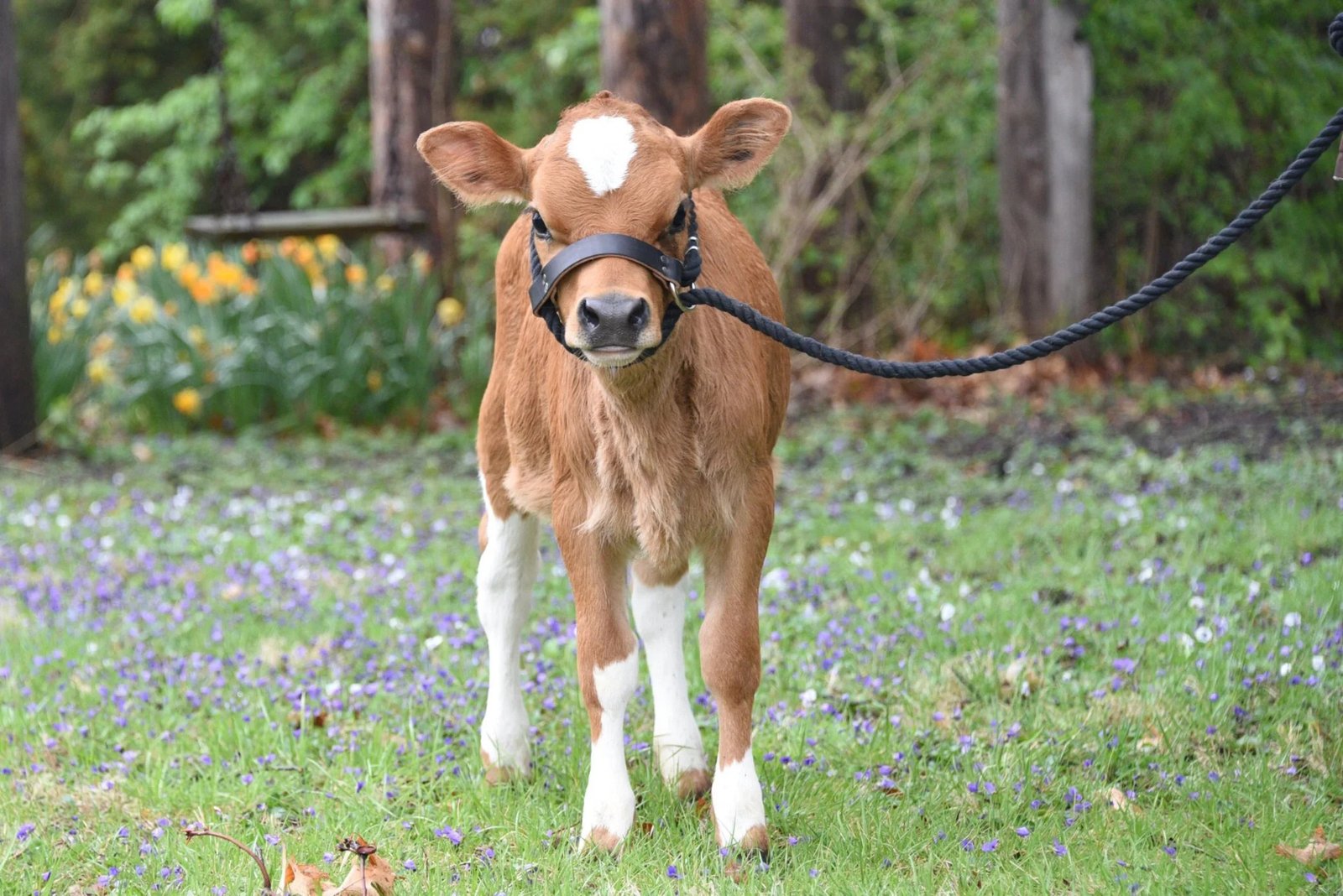
A calf refers to the young of a cow or bull. The definition relates to the age of the animal rather than the specific breed of cattle. This can develop into an adult cow or bull.

Baby calves are usually very small, with soft features and a playful disposition, giving them a resemblance to miniature cows.

Mini Cow breeds vs Calf: What Are the Key Differences?

Here are the main differences you should know:

  • Age: A calf is young, whereas a mini cow may already be mature.
  • Size: The calf is small because it is still developing; the mini cow is small compared to regular cows due to its breed.
  • Growth: Calves develop to become big in size, but miniature cattle stay small in size.
  • Purpose and Space Requirements: Farmers may raise calves for future dairy or meat production, often on larger farms, while mini cows can suit smaller farms and homesteads with less available land.
  • Diet and Growth: In order for a calf to become an adult animal, a mini-cow eats a half-grown grass/hay portion of regular cattle.

How Can You Tell Them Apart?

Looks can be deceiving! Miniature cows aren’t always miniature cows; their age, breed, parentage, and growth cycle all play a part in whether they’re a baby calf or a fully grown cow with a small size.

So get your facts straight if you’re going to go through with buying one, and not just assume based on looks.

Can You Adopt a Mini Cow?

Thinking about getting one of these cute mini cow breeds? ❤️ Just make sure you have enough space, cattle vets, food storage, and that you’re able to provide companionship and care for them for the rest of their lives.

Mini Cow for Adoption

Wanting to adopt a miniature cow? Research responsible adoption options via reputable farms, animal rescue groups, or even goshalas. It is important that you check whether the animal’s age, breed, medical history, and actual adult size are known.

Remember: The term calf is used to refer to an animal’s age, whereas the term mini cow refers to the smaller size of the cow as compared to normal cows.

Can Mini Cow Love Teach Children Kindness and Compassion?

Mini Cow Love is about the beautiful bond children can build with these gentle animals. Spending time with miniature cows can help children learn kindness, patience, and responsibility while understanding the importance of caring for another living being. With proper guidance and supervision, these adorable farm companions can bring joy to family life and create childhood memories filled with compassion and love.

But can these tiny cows really teach children big lessons about love? With responsible supervision and proper care, they can become a meaningful part of a child’s childhood.

Miniature Cows Can Teach Children Kindness

Miniature cows may look adorable, but they are living animals with their own needs, feelings, and boundaries. When children learn to approach them calmly and treat them gently, they begin to understand that animals deserve respect.

Parents can use everyday activities, such as helping prepare feed or watching a cow graze, to introduce children to the importance of caring for another living being.

Mini Cows

These small moments can help children develop empathy. They learn that love is not just about cuddling an animal but also about making sure it feels safe, comfortable, and healthy.

Mini Cow Love and the Lesson of Responsibility

Looking after animals can help children understand that caring for another living being requires consistency. Although adults must remain responsible for a miniature cow’s welfare, children can participate in simple, age-appropriate activities.

For example, children may enjoy:

  • Helping with feeding: Under adult supervision, children can learn about suitable food and fresh water.
  • Observing daily routines: Watching a cow eat, rest, and move around helps children understand its needs.
  • Keeping the environment clean: Older children can help with simple farm tasks under supervision.
  • Recognising animal behaviour: Children can learn when a cow feels comfortable and when it needs space.
  • Practising patience: Building trust with an animal takes time, teaching children not to rush interactions.

These activities encourage responsibility while showing children that genuine affection comes with commitment.

Building Beautiful Childhood Memories

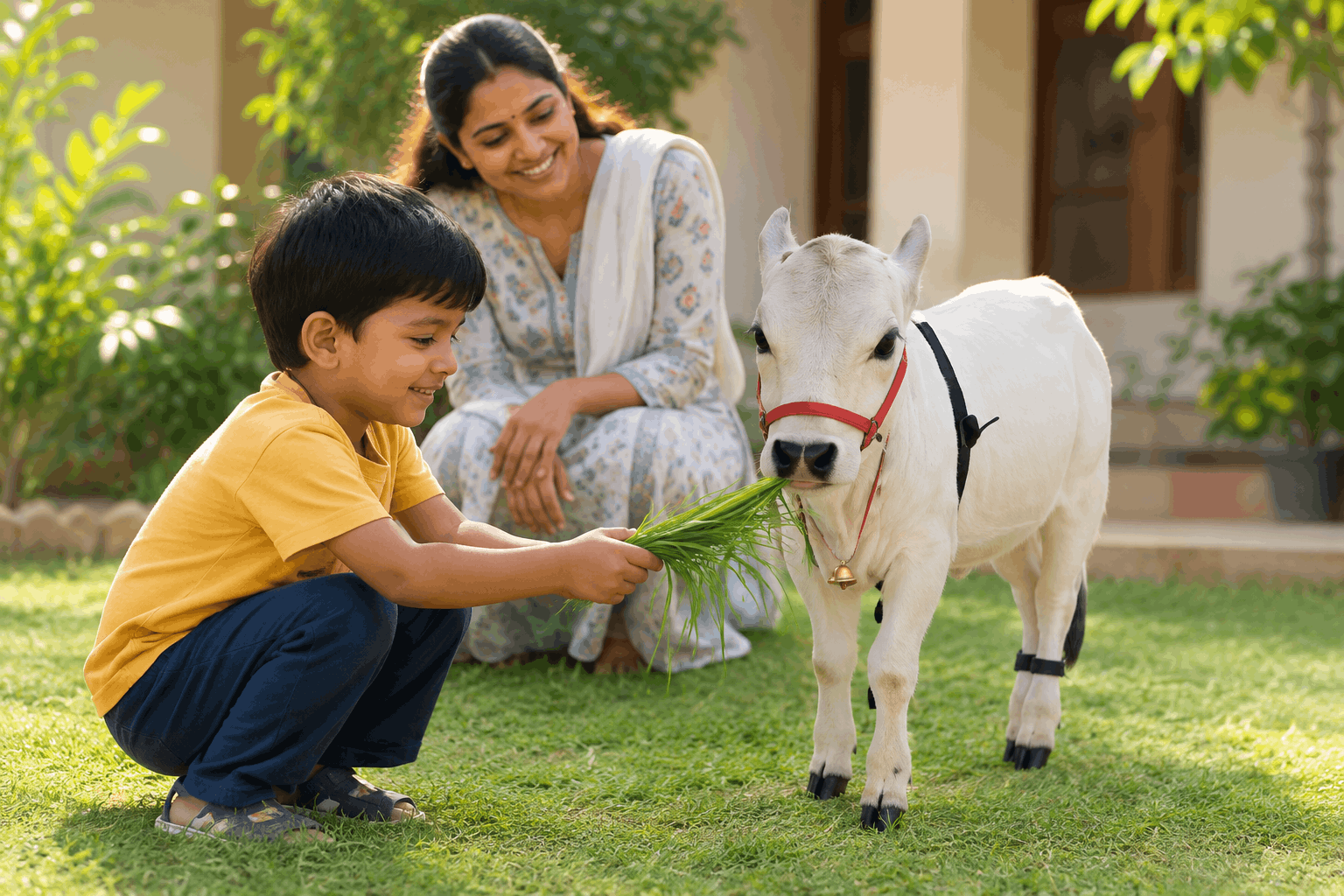
Consider a little kid watching a tiny cow eating grass, observing how to get close to it, or assisting his parent in caring for it in the morning sun. These simple events may turn into cherished memories of childhood.

Being with animals may inspire children to spend their time outside and become more interested in nature. This gives parents the chance to educate their kids about animal behavior, diet, and humane treatment of animals.

Miniature Cow

At the same time, miniature cows are not toys, as they have their own temperaments, different sizes, and strength. Even a gentle cow may accidentally push a little child over; therefore, there must be constant adult supervision while playing with them.

Are Miniature Cows Right for Families?

Prior to taking home a miniature cow, there are several things that need to be considered, such as proper shelter, space, veterinary care, companionship, and nutrition.

Here are a few important things to remember:

  • Give them adequate space: Miniature cattle require adequate space to graze and lie down comfortably.
  • Learn about their social needs: Cattle are social creatures and usually thrive with the right bovine company.
  • Always ensure their safety: Children should not be left unsupervised with livestock.
  • Prepare for a lifetime commitment: Miniature cattle have a long lifespan, and ownership demands that kind of commitment.

Families should also look into the expected size of the animal when fully grown.

How Mini Cow Love Teaches Children Compassion

Miniature cows can provide children with more than a cute farm experience. If handled correctly, they can teach kindness, patience, respect, and responsibility. These values can stick with the children long after their farm experiences are just memories from their childhoods.

Looking for Miniature Cows for Sale?

Thinking about having a little cow around in your home? Discover mini cows for sale and get a good friend for your place. Make sure that before buying one, you have all the necessities to provide a comfortable life for your new pet.

References Link: https://pmc.ncbi.nlm.nih.gov/articles/PMC8989141/

How to Recognise Cow Pregnancy Problems and Warning Signs?

Cow pregnancy is an important milestone in a cow’s life, but proper care is crucial for the well-being of both the mother and her calf. While most of the cows undergo a normal pregnancy, there are those who suffer from some challenges which need veterinary assistance. Early detection of these symptoms will ensure the safety of the mother and baby.

Common Cow Pregnancy Problems and Their Signs

Cows can display a variety of abnormal signs that suggest pregnancy problems. Although these irregularities should not always be a cause for concern, owners should always seek to determine the cause of such a state.

One of the warning signs is loss of appetite. A cow that stops feeding and drinking and is inactive needs to be examined. Apart from loss of appetite, some other signs that indicate the need for medical attention include vomiting, high temperature, lethargy, abdominal pain, and abnormal vaginal discharge.

Punganur cow

Bleeding or foul discharge during pregnancy can be a sign of a problem. Also, cows showing signs of labour prematurely or during birth should get a vet’s help.

Warning Signs to Watch For

Keep a daily eye on your pregnant cow for any changes in her condition or behavior. Watch out for these warning signs:

  • Loss of appetite: Turning down feed or eating much less than normal.
  • Abnormal Discharge: Discharge that has blood in it and has an unpleasant odor.
  • Weakness/Lethargy: Unable to stand up, decreased physical activity, or feeling tired.
  • Symptoms of premature labor: Straining or labor symptoms before the expected date of parturition.
  • Difficulty in Calving: Very strong uterine contractions without delivery of the fetus.
  • Potential abortion: Unexpected discharge, aborted fetus expelled, or abortion symptoms.

These symptoms do not always mean a pregnancy complication, but they warrant prompt veterinary assessment.

How to Maintain a Healthy Cow Pregnancy

Good nutrition, clean water, proper housing, and regular vet visits all help a cow stay healthy during pregnancy. Feed her a balanced diet and avoid sudden changes in her food.

Mini Cow Care

Her resting area should be dry, clean, and roomy enough so she’s comfortable. Keep stress low and always handle her gently this makes a big difference for her health. Have a vet confirm the pregnancy, check for any illnesses, and offer treatments if needed.

If you see signs like bleeding, serious weakness, early labor, or trouble delivering, call a vet right away. Don’t try to treat these issues on your own or force the calf out yourself. Let a professional handle it.

Give Your Mini Cow the Care She Deserves with MiniCow

The expecting cows need extra attention, feeding, and pampering throughout the period of pregnancy. Taking the necessary precautions by monitoring their health and knowing when there is danger can help you keep both your cow and her baby safe.

We treat all the cows here at MiniCow as important and deserving of our efforts. Monitor her health status and visit a veterinarian when something goes wrong. Healthy cows usually deliver their babies in good health.

References Link: https://ndpublisher.in/admin/issues/JARv13n5t.pdf

Why Do Traditional Poojas Use Cow Ghee Instead of Other Oils

Have you ever seen a diya lit with cow ghee while performing a pooja and pondered why ghee holds a certain importance when there are so many other oils available? This yellow and aromatic ingredient is not only used in the kitchen but is considered a sacred gift of Hindu customs since long ago.

Why Does Cow Ghee Hold a Special Place in Pooja

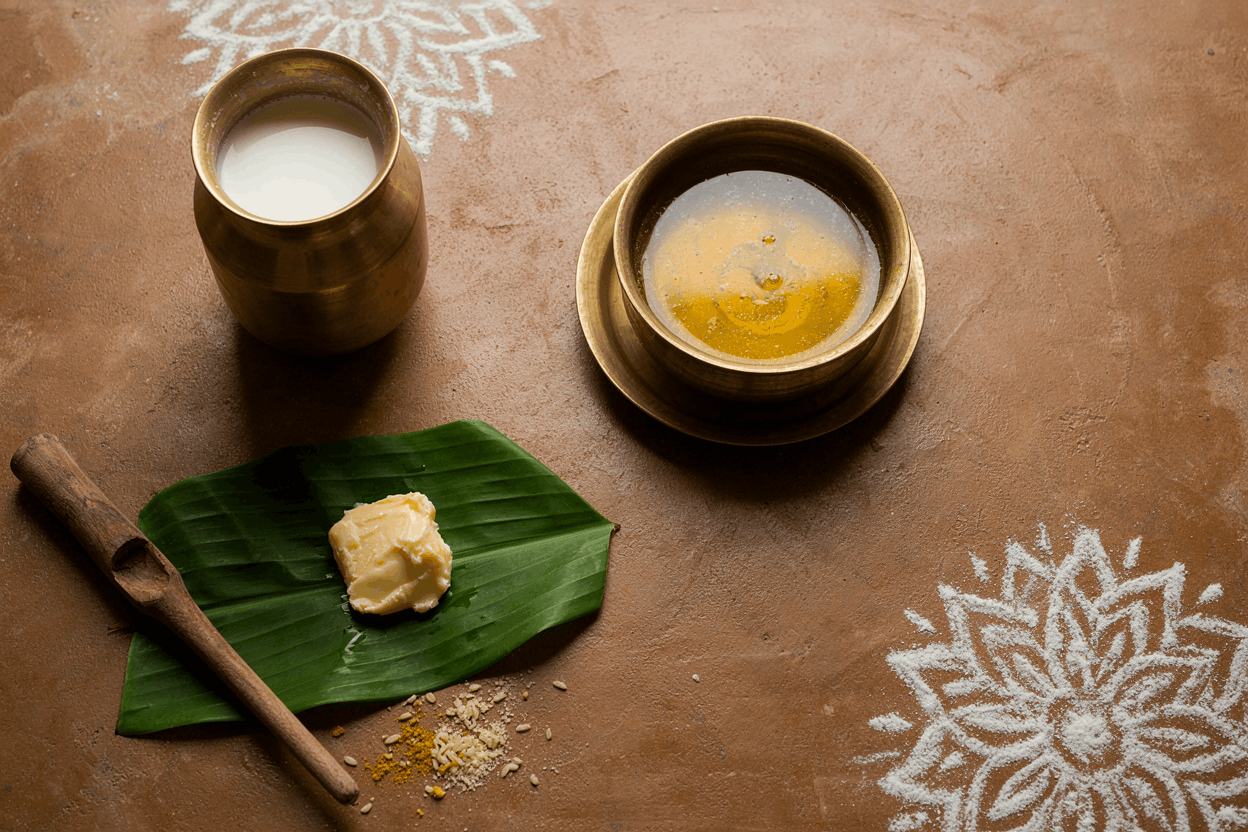
Cow ghee is made from cow milk using the traditional method that involves making curd, taking out the butter, and then heating it. Due to its link to tradition, many followers see cow ghee as pure and sacred.

Cow Ghee

In the pooja ritual, ghee is used to light the diyas and perform other rituals like havan. The lighting of the ghee diya is believed to be a representation of knowledge, positivity, and getting rid of darkness.

Why Choose Cow Ghee Over Other Oils

Therefore, why is cow ghee the preferred choice? The reason for that is mostly because of religious beliefs and long-held traditions rather than scientifically proven spiritual advantages.

Devotees commonly choose ghee because:

  • This represents purity: The pure ghee of the cow is always considered sacred.
  • It is part of the culture: Families have used ghee for their religious ceremonies for ages.
  • Its use is in havan: Ghee is regularly offered in sacred fire during yajna and havan.
  • It illuminates traditional diyas: Many devotees prefer ghee lamps during special poojas.
  • It symbolizes dedication: Offering ghee is a way to express gratitude and dedication.

What Does a Ghee Diya Symbolize

Small flames could carry significant meaning as well. For instance, among Hindu rituals, lighting up the ghee diya represents the triumph of enlightenment over darkness and ignorance.

Traditional Cow Ghee

These can vary from one family to another and from one place to another. But cow ghee is one common element that brings together many devotees with traditions of their forefathers.

Can You Include Cow Ghee in Your Pooja

Of course, if your tradition requires it, you can always use pure ghee in the diya or as an offering in a havan. Keep all tools clean, and observe the traditions that are linked to your pooja.

Make Your Cow Pooja Truly Special

Considering organizing a cow pooja ceremony in your home or for any other event? We are glad to assist in planning a cow pooja ceremony using mini cow poojas.

Connect with mini cow pooja service providers and have your unique day celebrated with devotion and blessings.

References Link: https://pmc.ncbi.nlm.nih.gov/articles/PMC10789628/

Can Cow Cuddles Turn an Ordinary Day Into Beautiful Memories?

Suppose your high point of the day isn’t a coffee break, weekend plans, or even a huge party. Suppose your high point is a cow coming to visit you, looking at you, and just wanting a little bit of attention. 🐄❤️

It seems quite easy to do so, and that’s why it is unique. There is something about cows that makes everything around them seem beautiful and peaceful.

What Makes Cow Cuddles So Special?

Isn’t that something? You come with the intention of feeding a cow, and before you know it, you’re chatting up your friend!

She might approach you, sniff your hand, walk behind you, or just stand next to you. All these small things could help you stop and savor the experience rather than stressing about other things in your life.

Isn’t this what everyone needs once in a while?

Cow Cuddles


Can Cows Build a Connection With People?

Indeed, trust can be developed through constant gentle interaction.

As long as you constantly take care of the cow, she can learn to recognize your voice, your presence, and your routine. This is not about forcing her to like you. Rather, this is about allowing her to come to you of her own accord.

Nothing feels more special than seeing her come to you willingly.

How Can You Make the Moment Meaningful?

You don’t need a complicated plan. Just be present.

  • Bring appropriate food for her to enjoy quietly
  • Sit quietly for a while in her proximity
  • Use a soft tone of voice so that she gets accustomed to it
  • Groom her properly if she likes being touched
  • Leave her alone when she is feeling uncomfortable

Small actions repeated with kindness can make a big difference.

What If She Comes Looking for You?

Can you visualize this? You come over, and instead of waiting for you to move closer, the cow actually moves towards you.

Micro cows

And that one little thing could make your entire day.

Perhaps she is looking for some food. Perhaps she knows you from before. Or perhaps she just likes your company. Either way, it could be pretty heartwarming to watch.

Could Cow Cuddles Be the Perfect Ending?

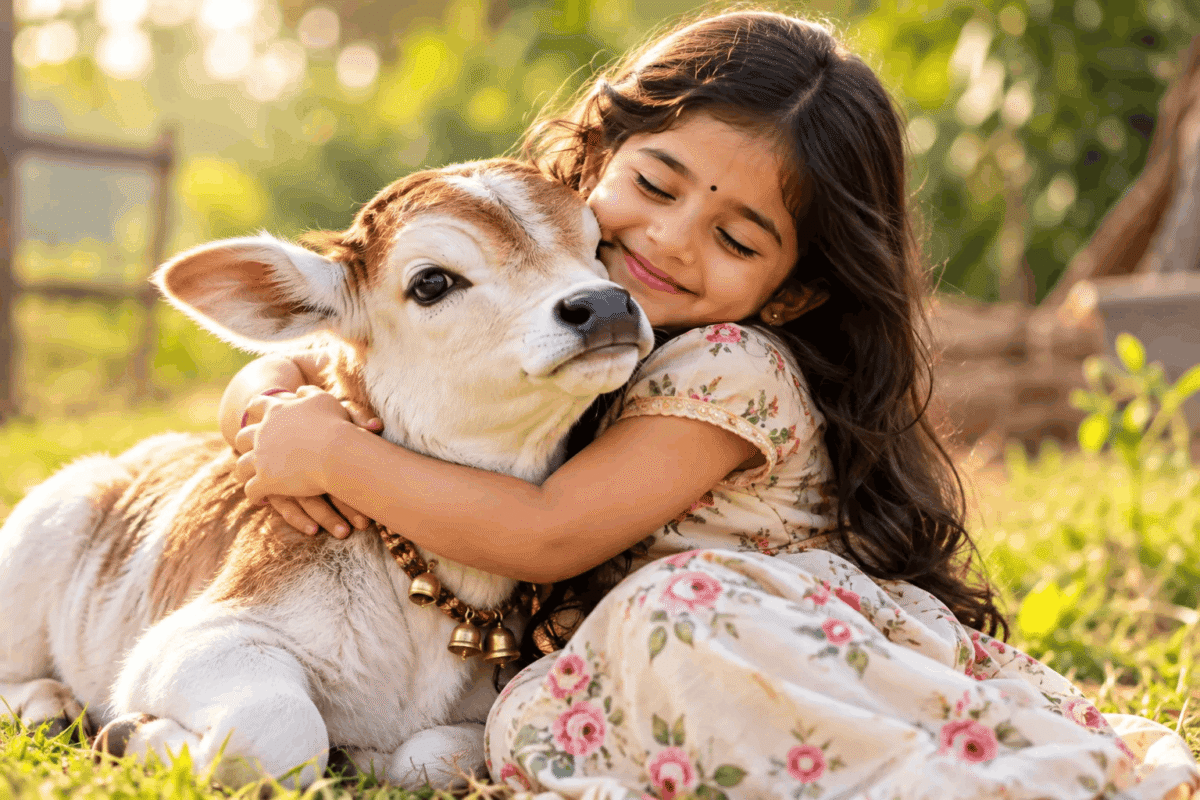
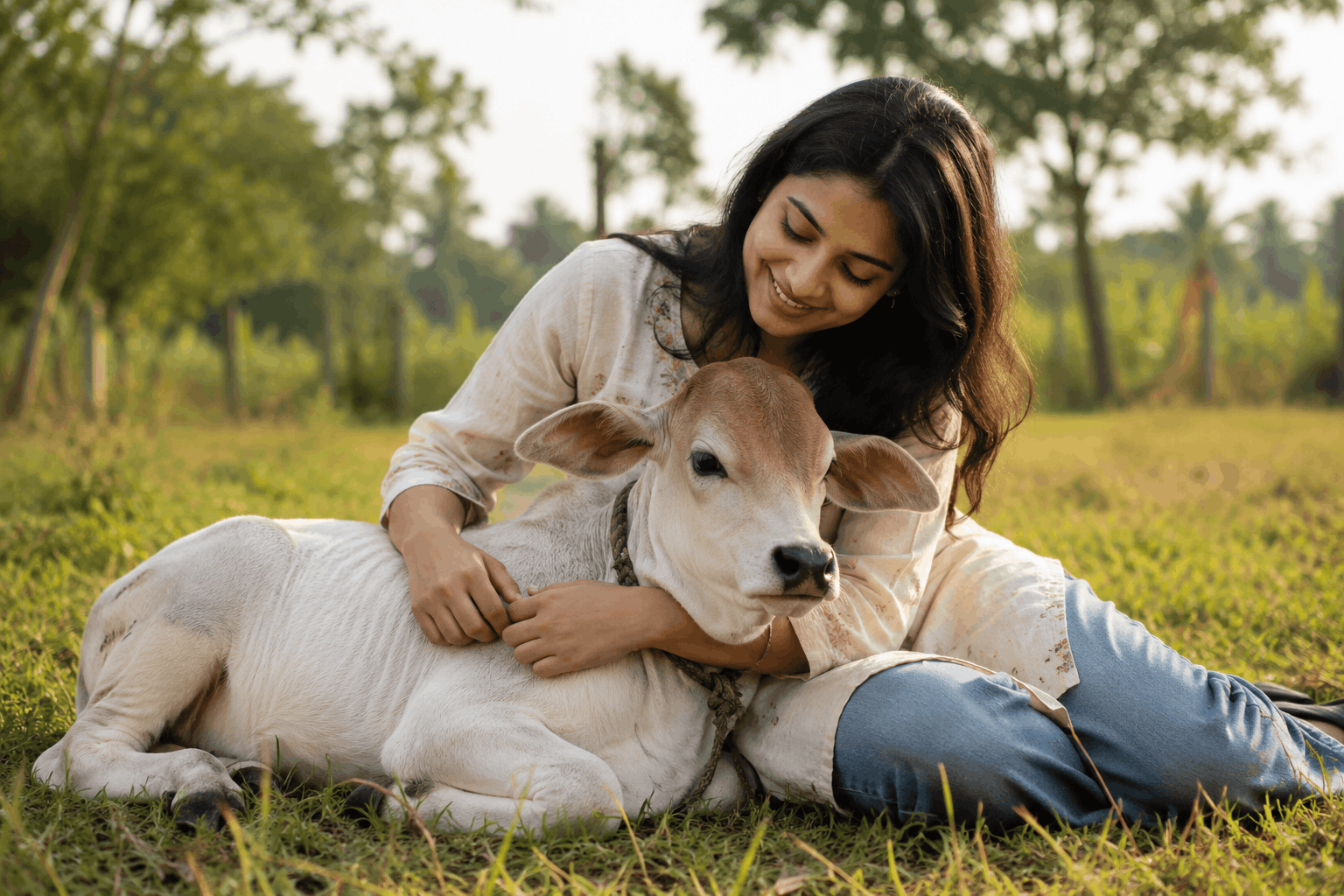
However, when you are totally comfortable with the cow, hugging her can be such a lovely gesture of trust.

Therefore, do not undervalue these peaceful moments.

Provide her with a secure, cozy place, good nutrition, clean water, proper medical treatment, and lots of patience. Then, when she decides to approach, take time to appreciate it.

For at times, what you will never forget is not an incident that you have planned. It’s just a mini cow approaching you and making your ordinary day extraordinary.

References Link: https://ijip.in/wp-content/uploads/2021/02/18.01.011.20210901.pdf

What Does Punganur Nutrition Need for Healthy Lactation?

Your Punganur cow is producing milk; does she have enough nutrition in return?  Good Punganur Nutrition is essential during lactation to support her health and milk production.

During the time when the cow is producing milk, her body is working tirelessly each day. Therefore, just feeding her grass and water might not be enough for her. It is important for her to get a balanced ration containing all the necessary nutrients.

However, what should be included in her feeding program? Let us see!

Is Your Lactating Punganur Cow Getting Enough Protein?

Consider protein as something that makes up the body of your cow. In lactation, protein will be able to help in the maintenance of the body and production of milk.

Protein is added to her diet by providing her with green fodder, legumes, and properly balanced cattle feed. Nevertheless, the proper quantity will depend on several factors, such as body condition and age.

More food doesn’t guarantee more milk production. The balance is all that matters!

healthy Punganur cow

What Does Punganur Nutrition Need for Milk Production?

Milk production uses energy. Lack of adequate energy means that the lactating cow will be unable to sustain herself in good physical condition.

Proper forage and adequate supplements can fulfill her energy requirements.

A practical feeding routine may include:

  • Fresh green fodder and good grasses
  • Good quality dry fodder or hay
  • Protein supplements as per requirement
  • Concentrate feed as per requirement
  • Minerals according to professional advice
  • Clean and fresh drinking water

How Does Fiber Support Punganur Nutrition?

Absolutely!

Fiber is important for keeping her rumen healthy. Green and dry fodder mixed together will provide the fiber that she requires.

Here is the twist: sudden dietary changes or overfeeding of concentrates can have an adverse effect on the digestive system. Such changes should be made gradually.

Why Are Minerals and Vitamins Important?

But that’s not all! It is necessary for a lactating Punganur cow to also have essential minerals such as calcium and phosphorus for its bone structure, good bodily function, and milk production. In addition, vitamins are essential for the maintenance of health and immunity of the Punganur cows.

Don’t know whether your cow requires any mineral supplements? Get help from professionals who will be able to give you proper guidance according to the diet and nutrient requirements of your animal.

Is Your Cow Drinking Enough Water?

Here’s something that should not be overlooked by you: water!

Lactating cows require an ample amount of water, which can increase due to high temperatures and milk yield.

Always keep fresh water handy for your cows. Proper hydration helps with their digestion and milk yield.

Punganur Cow

Give Her More Than Just a Good Diet

A healthy Punganur cow needs more than nutritious feed. Clean surroundings, comfortable shelter, regular health checks, and loving care all matter.

Thinking about Punganur cow adoption?

Give a Punganur cow a safe place to call home and provide her with nutritious food, fresh water, proper veterinary care, and plenty of love.

Because when you care for a Punganur cow, you’re not just providing a home you’re giving her a healthier, happier life.

References Link: https://epubs.icar.org.in/index.php/IJAN/article/view/138016

Why Is Cow Appetite Suddenly Dropping in Your Miniature Cow?

A cow that stops eating suddenly cannot just be regarded as a “picky” eater. A change in cow appetite may be the first sign of trouble. As the continuous provision of food is critical to the cow’s energy requirements, digestion, and good health, such changes should never be overlooked.

Is Your Cow Turning Away From Its Favorite Feed?

Cows generally stick to a consistent eating pattern. A drop in appetite, a change in what your cow normally eats, or spending more time off of the eating area could be a sign of trouble.

There are many reasons why a cow’s appetite would decrease. The reason might simply be bad food that is causing the problem. Other times, it could be digestive issues or some sort of infection.

Look Beyond the Feeding Trough

Decreased appetite can be serious if accompanied by other symptoms. This includes a decrease in your cow’s activity level, chewing habits, drinking habits, or the appearance of the manure. These symptoms may help you know that the decreased appetite is related to another disease.

Common things to watch for include:

  • Indigestion disorders: This is because of changes in the diet of an animal, indigestion, or bloating, which impacts its appetite.
  • Diseases: If there are any illnesses or diseases in the body of a cow, it will result in reduced feed intake.
  • Poor quality of the feed: Feed that is poor or contaminated will discourage the cow from eating.

Small Cow

  • Heat stress: Heat stress will reduce feed intake, especially when the cow is not cooled or hydrated.
  • Injuries: It can affect feed intake of the cow because of leg and foot injuries.

Could the Feed Be Affecting Your Cow Appetite?

Before concluding that the cow is ill, make sure to check the feed and water. The feed should smell fresh and have been stored correctly. Fresh, clean drinking water must always be available.

Changes in diet can also cause digestive disturbances in the miniature cow. Gradual feeding of new feeds can minimize the chances of digestive disorders.

When Should You Take Action?

If a cow is not taking any food at all, looks weak, breathes with problems, has severe pain, swelling, and some other strange symptoms, then the vet should be consulted immediately.

miniature cow

Do not wait until it becomes evident. Early observation may assist you in becoming aware of any changes that have taken place.

Can a Small Cow Appetite Change Be a Big Clue?

Your cow cannot express pain, but her eating patterns will have plenty to say.

Keep an eye on its eating behavior, attitude, drinking behavior, and general health status daily. In case of any sudden change, do not ignore it.

Eating behavior is one of the most basic indicators of health for a miniature cow.

References Link: https://pmc.ncbi.nlm.nih.gov/articles/PMC2202315/

What Is the Miniature Cow Pregnancy Timeline and Process?

Although miniature cows are smaller, their miniature cow pregnancy period is remarkably the same as that of a normal-sized cow. Knowing about gestation can be very useful if you are a cow owner or are planning to breed one, in order to be able to expect a healthy calf.

How Long Are Miniature Cows Pregnant?

Miniature cows will normally have a gestational period that lasts for about 9 months, which means that it is usually between 279 and 292 days. The average is 283 days, but it may differ due to different genetics and breeds.

Although miniature cattle have a smaller body size, they reproduce in a manner similar to large cattle.

When Can Miniature Cows Be Bred?

Typically, the heifer’s mature reproductive status, age, and size are sufficient to breed a healthy heifer. Typically, cows are bred for the first time at about 14 to 15 months, producing their first calf at two years of age.

Miniature Cows

But breeding should be based on ‘The Individual’ and not age alone. A heifer can be physically matured through a veterinary examination or by a knowledgeable cattle breeder.

Signs of Miniature Cow Pregnancy

Pregnancy signs can be subtle at first, making early detection challenging. Some changes owners may notice include:

  • Loss of estrous activity: A cow may cease to exhibit normal estrous activity.
  • Changes in behaviour: Pregnant cows can be calm or less restless.
  • Physical changes: As a pregnancy progresses, the body changes its condition, and the size of the abdomen may increase in a gradual manner.
  • Vet consultation: The vet can determine through ultrasound or a pregnancy test whether or not the cow is pregnant.

Signs may be other than pregnancy and should not be relied upon as evidence of pregnancy.

Preparing for Calving

When the pregnancy is in its late stages, it is really important to prepare. Always ensure that the cow has a clean water source, good nutrition, protection from the elements, and a clean, comfortable place to give birth.

There’s also a vet who can give you advice about feeding, keeping an eye on your cow’s health, vaccinations, and what you can expect during delivery.

The size of newborn miniature calves will depend on the breed and genetics of the calf and is typically in the range of 40-60 lbs.

Caring for Mother and Calf

Postpartum observation for both the cow and her calf is essential. The calf must suckle adequately, while the cow must be examined for any complications.

Newborn Calf

In case of an unusual labor or any distress on the part of the cow, the services of a veterinarian must be sought immediately.

Consider Miniature Cow Adoption

Not all miniature cows have to be bred. Adoption is a great way of finding a miniature cow a good home.

Think about what it will take in terms of space, shelter, food, health care, and general maintenance before you adopt. These docile creatures require dedication, not just love.

At times, the greatest way of showing your love for miniature cows is by adopting one.

References Link: https://www.researchgate.net/publication/331894209_Features_and_status_of_miniature_indigenous_germplasm_of_cattle-Malnad_Gidda

How Is Technology Making Cow Care Smarter Today?

What if farmers could know when a cow needs attention before the problem becomes obvious?

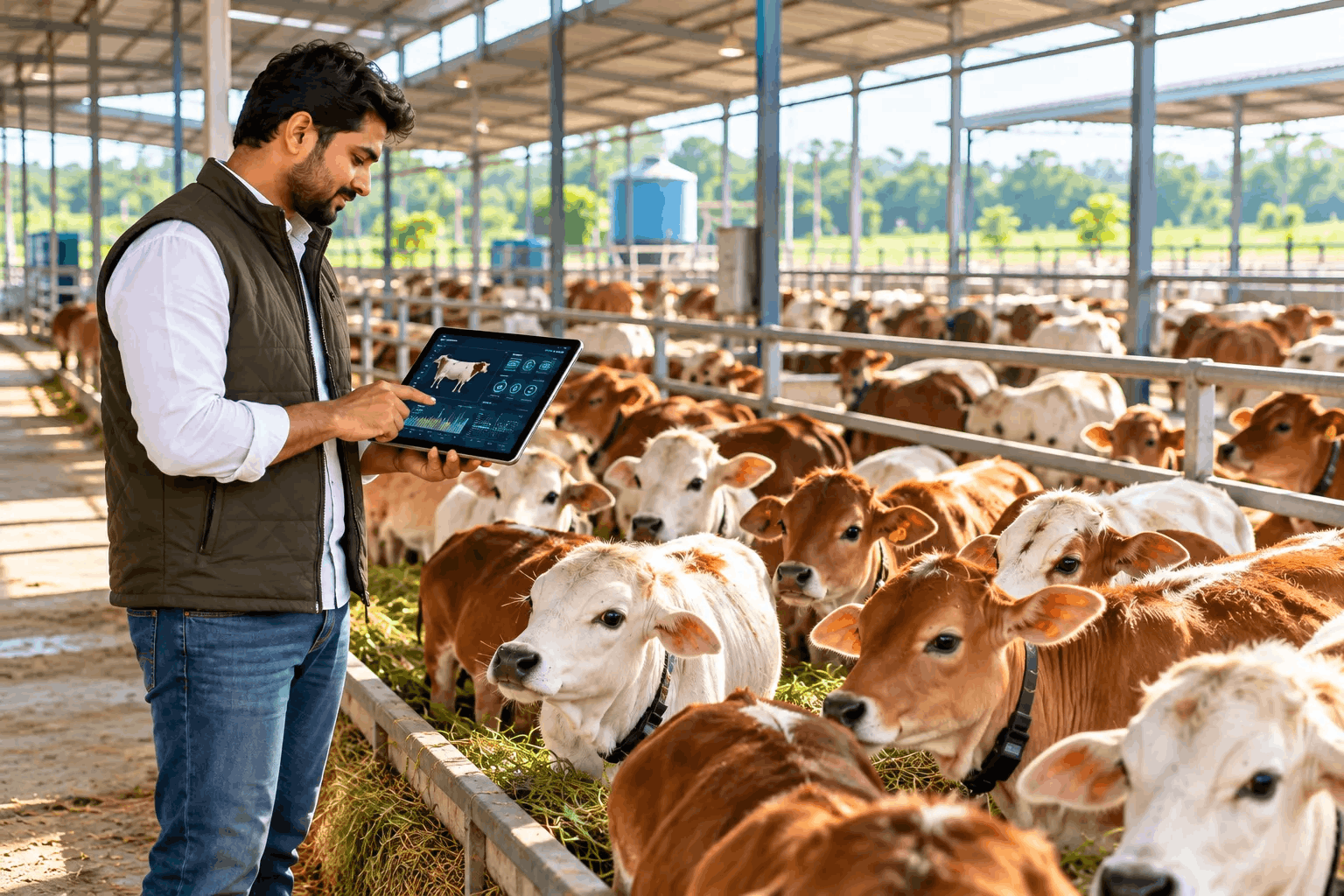
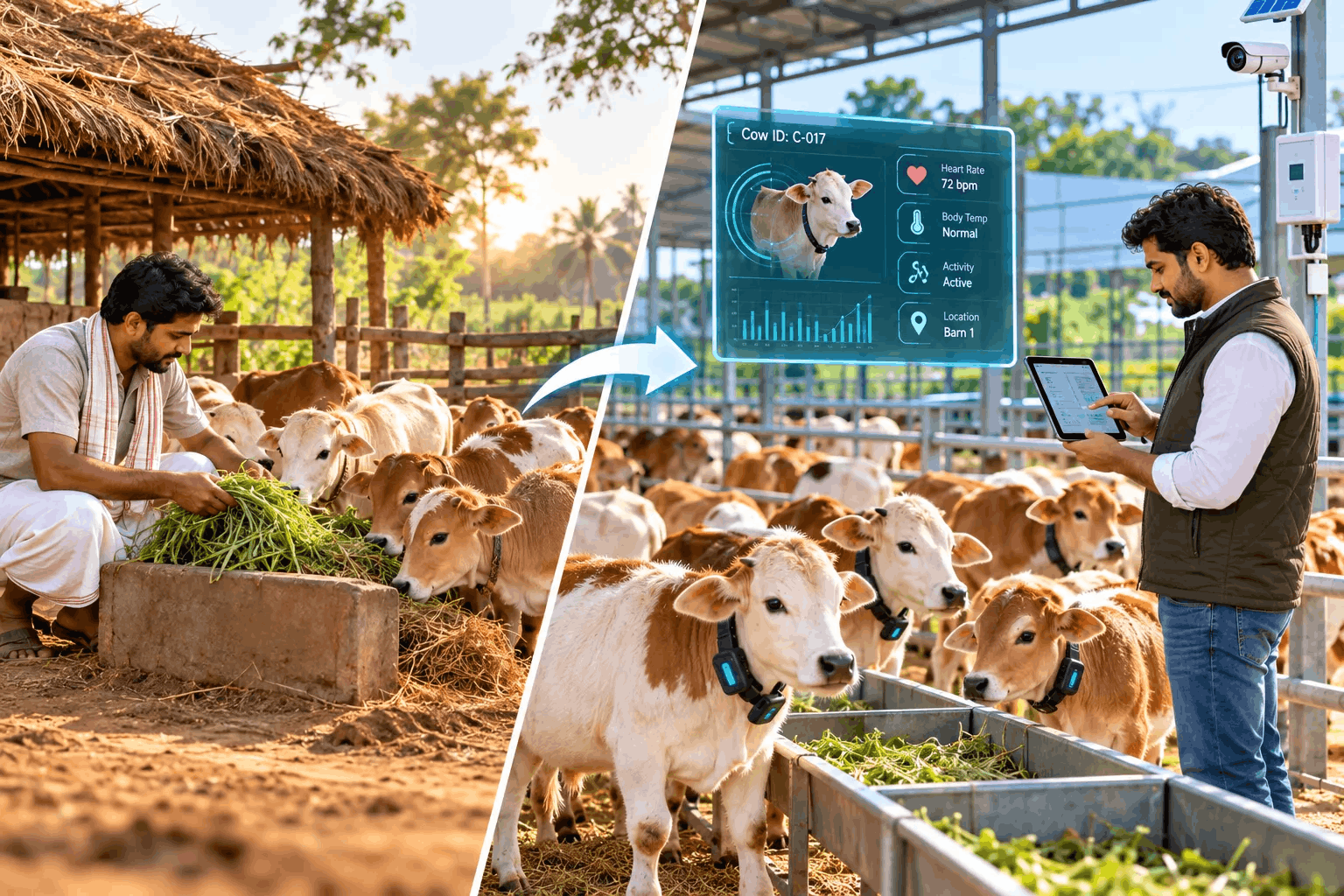
Cow farming is becoming an intelligent industry. Rather than relying solely on visual inspections, modern farmers can now take advantage of modern technology to monitor their cattle all day long.

Through smart technology, farmers can get valuable data about the movements of their cattle, how often they eat, and even their body temperature, among others.

1. Smart Monitoring Keeps an Eye on Every Cow

Taking care of a couple of cows is one thing, but tracking a herd is difficult. Smart cow-care technology can assist farmers by using sensors to gather information about each animal throughout the day.

These systems may monitor:

  • Movement and activity behaviors
  • Feeding and drinking behaviors
  • Behavioral changes
  • Body temperature
  • Resting and moving behaviors

This information gives farmers a clearer picture of how their cattle are behaving.

2. Cow-Care Alerts Could Make a Big Difference

Behavioral change may indicate problems in cows. Yet, it is not easy to detect behavioral changes, especially when dealing with many cattle at a time.

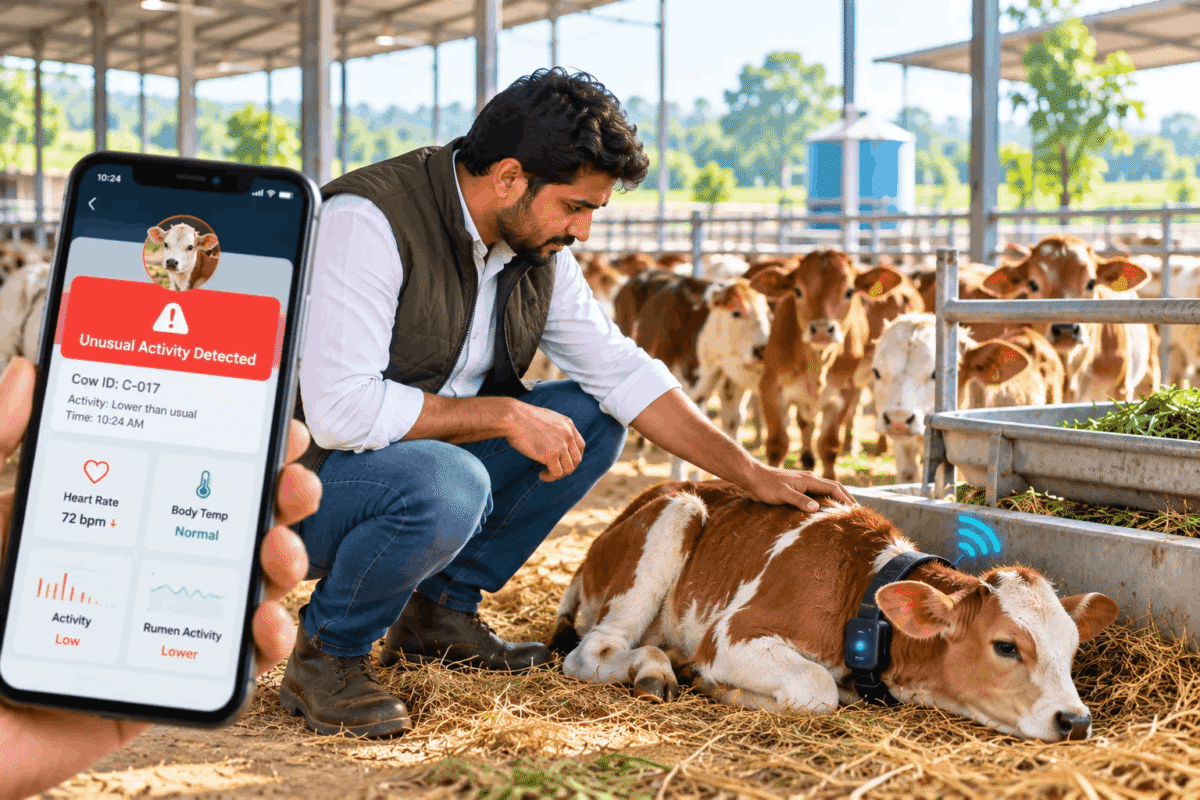
An intelligent monitoring system would be able to detect abnormal activity and alert the farmer.

mini cow

For instance, when the cow becomes less energetic all of a sudden, the farmer can do something about it sooner rather than later when he does a check-up.

The objective is straightforward: recognize irregular behavior and react promptly.

3. Smarter Cow-Care Monitoring From a Phone

Today’s cattle management systems can transmit information straight to a smartphone or tablet.

In place of having to walk through the entire herd to gather basic information, farmers simply need to go to one location and consult digital data.

This can help with:

  • Individual cow monitoring
  • Monitoring herd behavior
  • Organizing their day
  • Spotting cows requiring more observation
  • Maintaining valuable records

4. Technology Doesn’t Replace the Farmer

Advanced technology should not necessarily serve as a replacement for direct work with livestock.

A farmer should continue to watch the animals, feed them properly, keep the barns clean, and go to a veterinarian when needed.

Cow Health

Technology can serve as additional eyes which give additional data that cannot always be obtained.

The Future of Cattle Farming Is Getting Smarter

From conventional farms to dairy farms, technology is ushering in new ways of tracking the health of cattle and organizing farm operations.

The future might not necessarily be about raising more cattle it might be about knowing more about each one of them.

Advanced tracking. Prompt attention. Informed cattle management.

References Link: https://pmc.ncbi.nlm.nih.gov/articles/PMC10000156/