How Does Cow Culture Reflect the Wisdom of Our Ancestors?

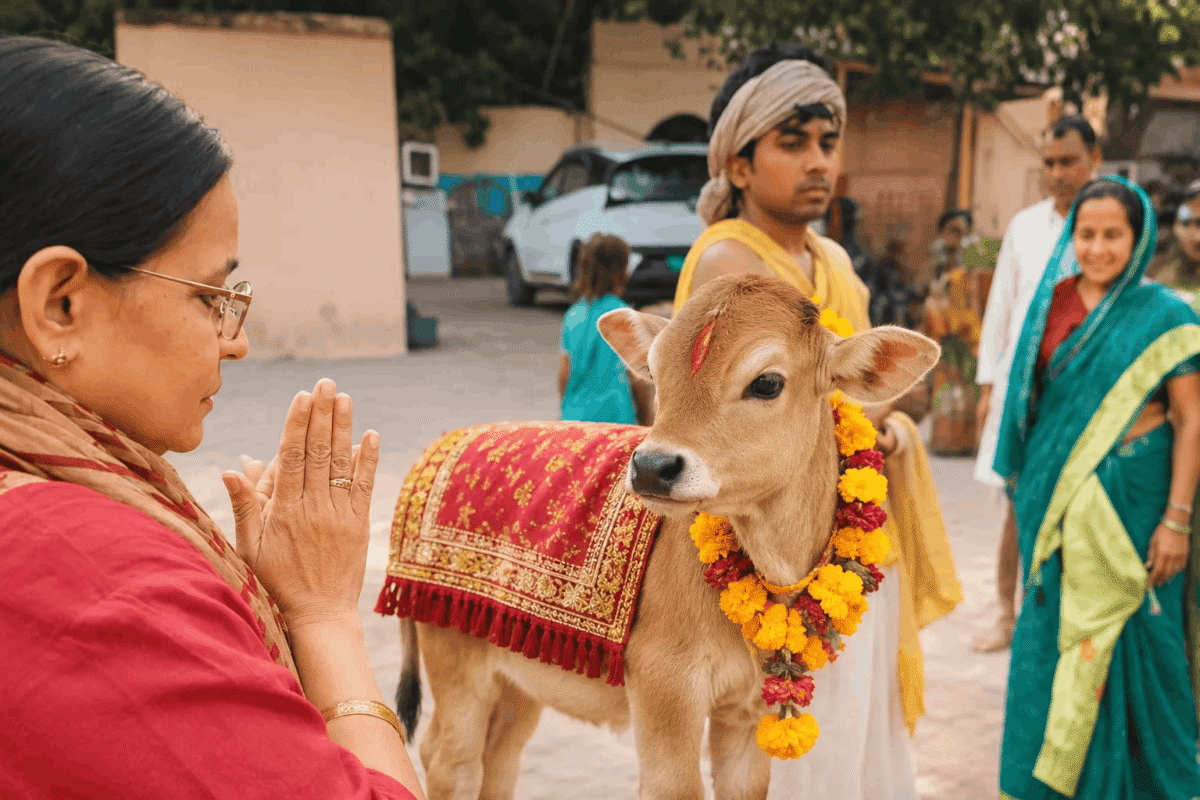
Some traditions are not just meant to be followed; they remind us of values that truly matter. Indian cow culture is one such tradition, deeply rooted in gratitude, nourishment, and compassion. Gau Pooja reflects this centuries-old bond between humans and cows.

Behind every flower offered and every prayer shared lies a message of respect and care. It reminds us that the animals who contribute to our lives deserve more than appreciation they deserve kindness and protection.

But what made the cow so extraordinary?

1. Cow Culture and the Symbol of Nourishment

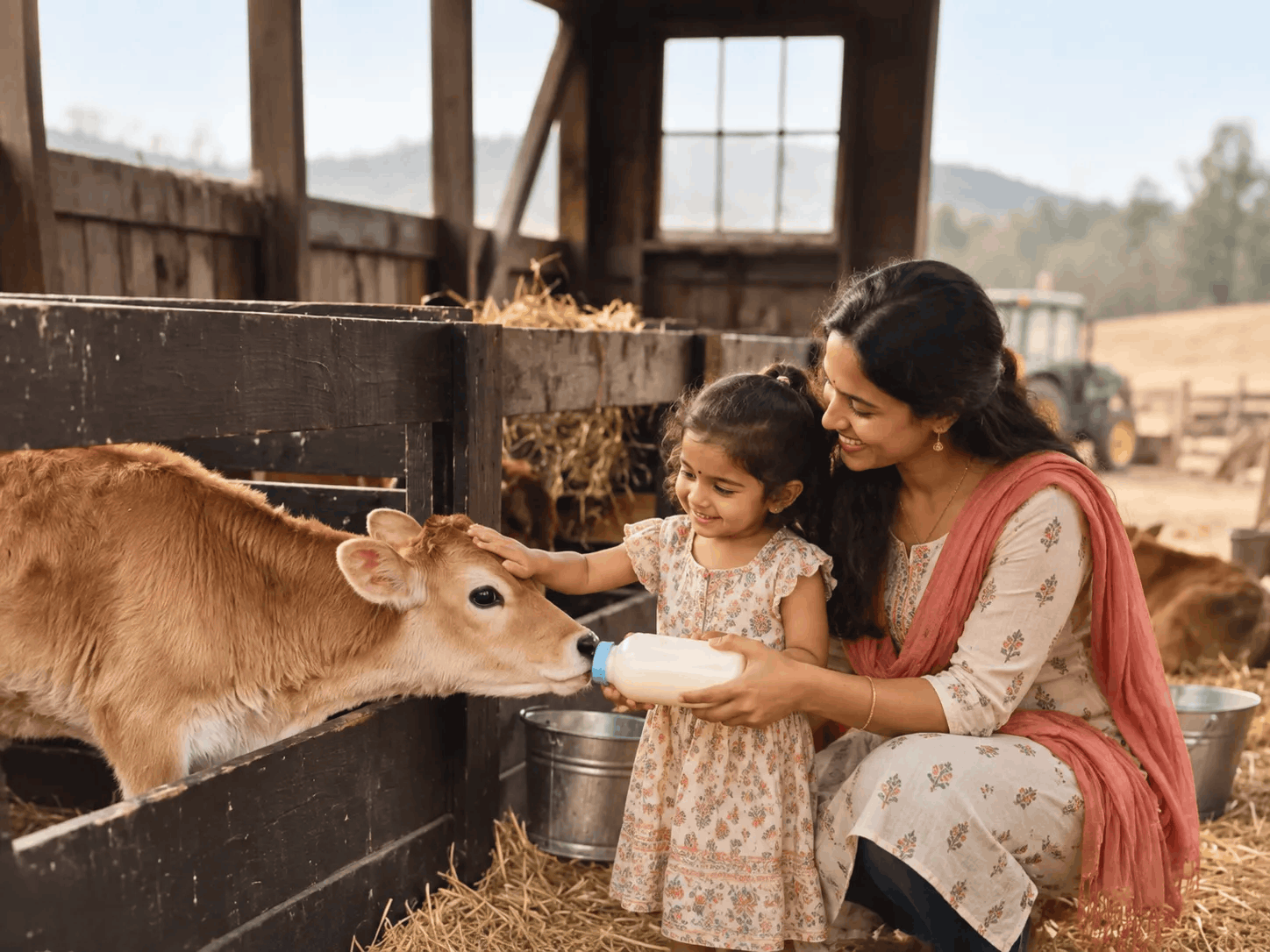
Cows have served as indispensable animals of rural Indian families for centuries. They have been helpful in providing milk and taking part in agriculture.

Our ancestors used to identify the cow as a symbol of motherhood due to its milk. This bond slowly entered into Indian lifestyles, and the cow became a symbol of care, abundance, and generosity.

2. The Science Behind the Cow’s Contribution to Nature

Beyond cultural significance, cows have an important place in traditional agricultural ecosystems.

Their natural contributions include:

  • Organic Fertilizer: Cow manure, once composted properly, is rich in organic matter and nutrients for the soil, therefore helping improve soil quality.
  • Biogas Production: Waste from cows can be utilized in biogas systems for energy generation.
  • Agricultural Aid: Farmers use cattle to plough fields and transport agricultural goods.
Cow Adoption

  • Nutritional Importance: Milk and dairy products have played a significant role in the food practices of multiple Indian communities through time.
  • Soil Ecosystems: When taken care of properly, cattle poop can help in nutrient cycling and in the building of positive soil organisms.

The contributions above illustrate and help to understand the value of cows in early farming societies.

3. Why Is Gau Pooja an Important Part of Indian Cow Culture?

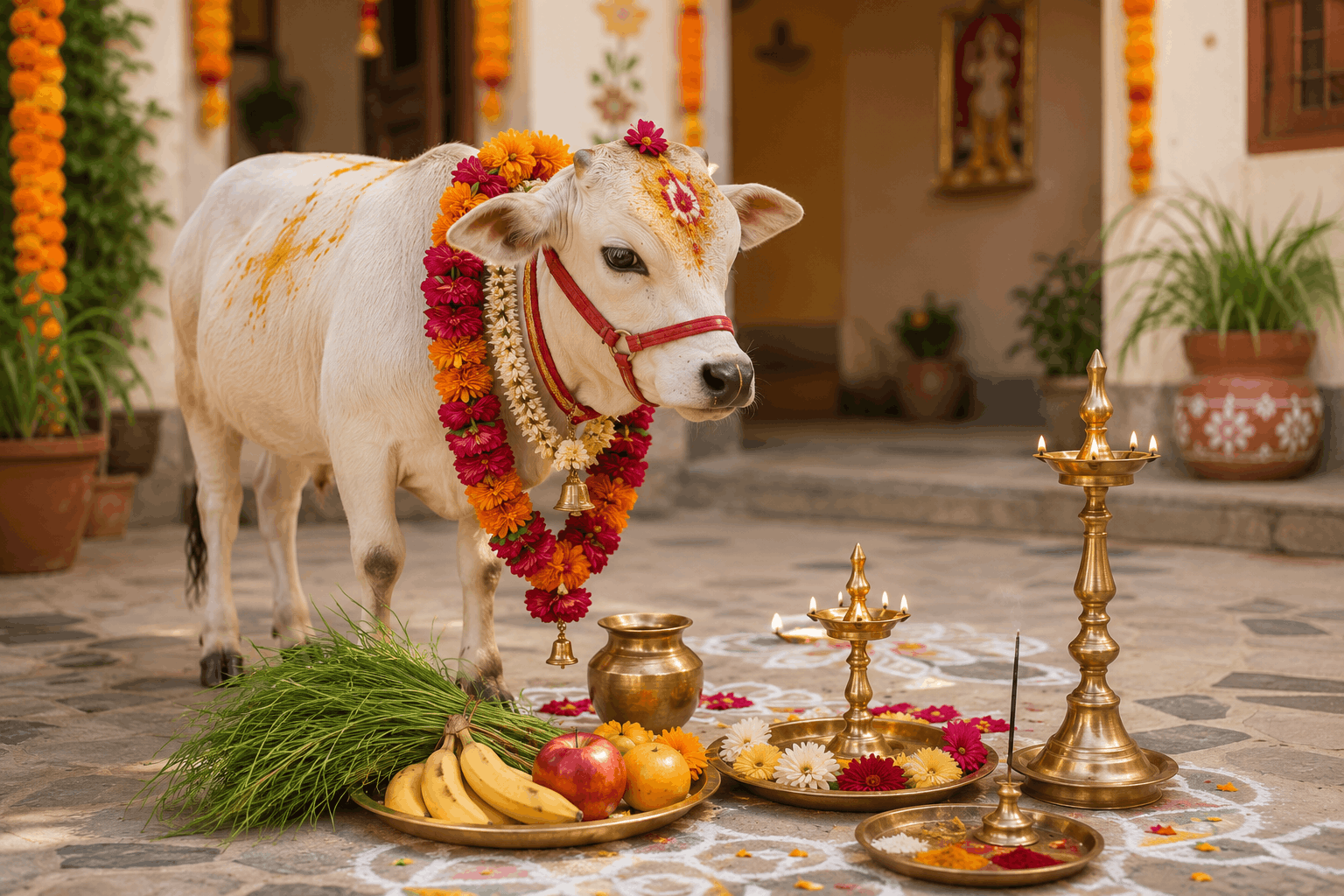
Through Gau Pooja, devotees express their gratitude to the animal that, for generations, has supported human life.

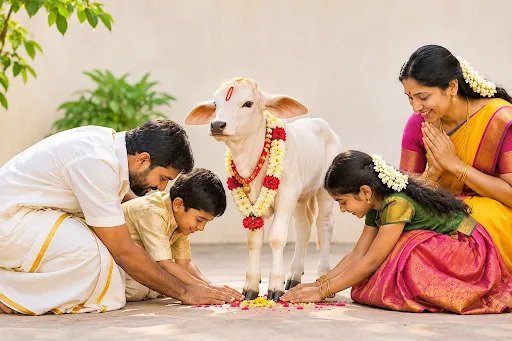
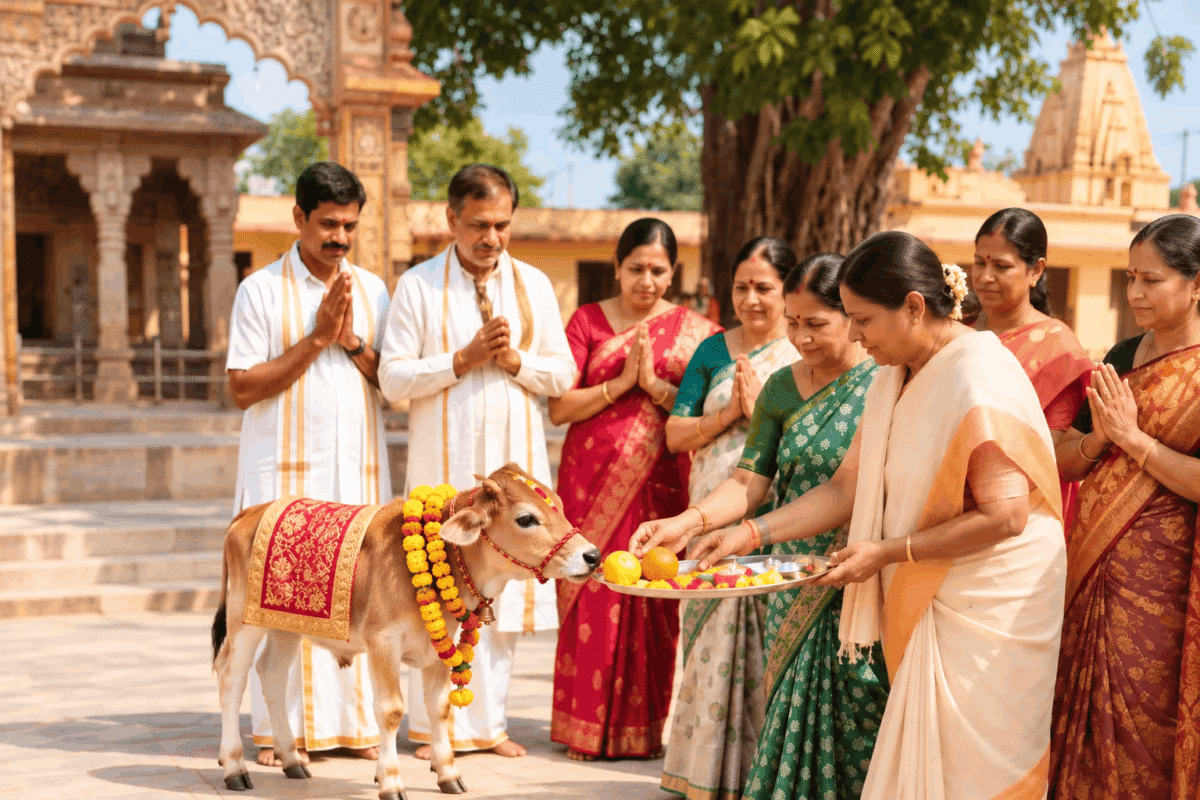
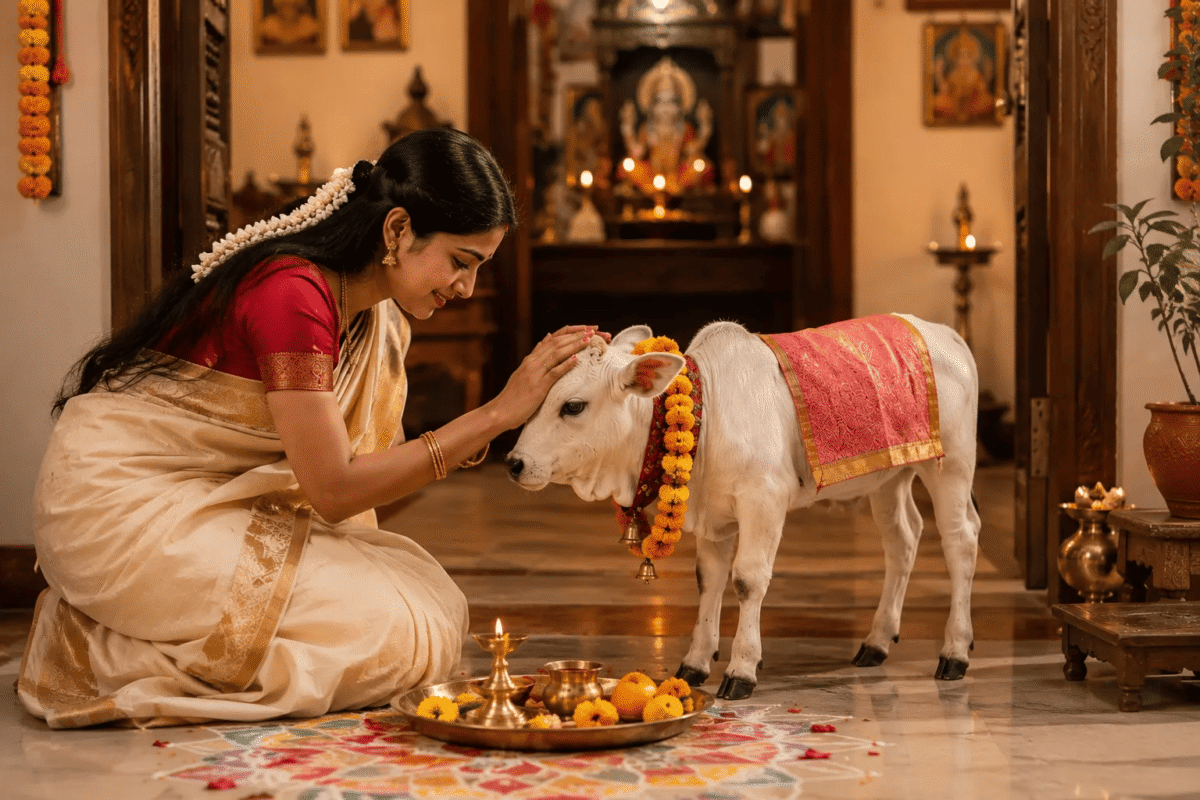
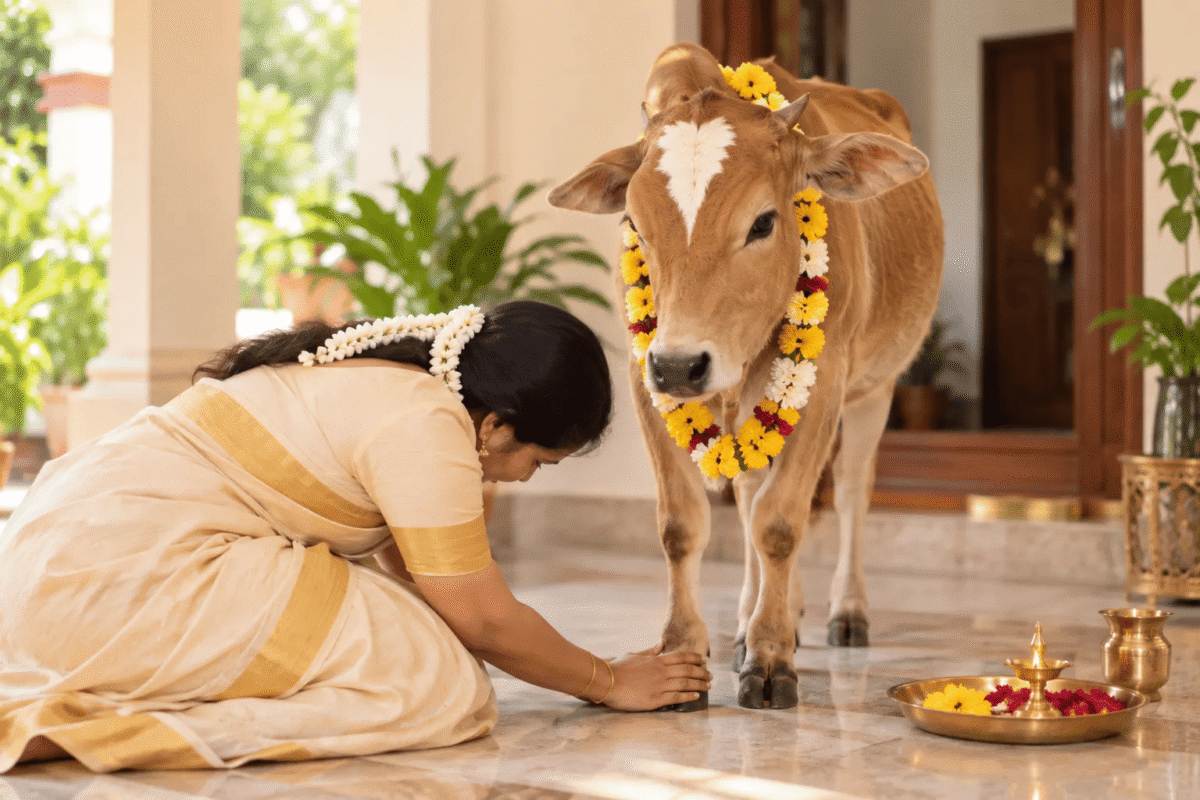
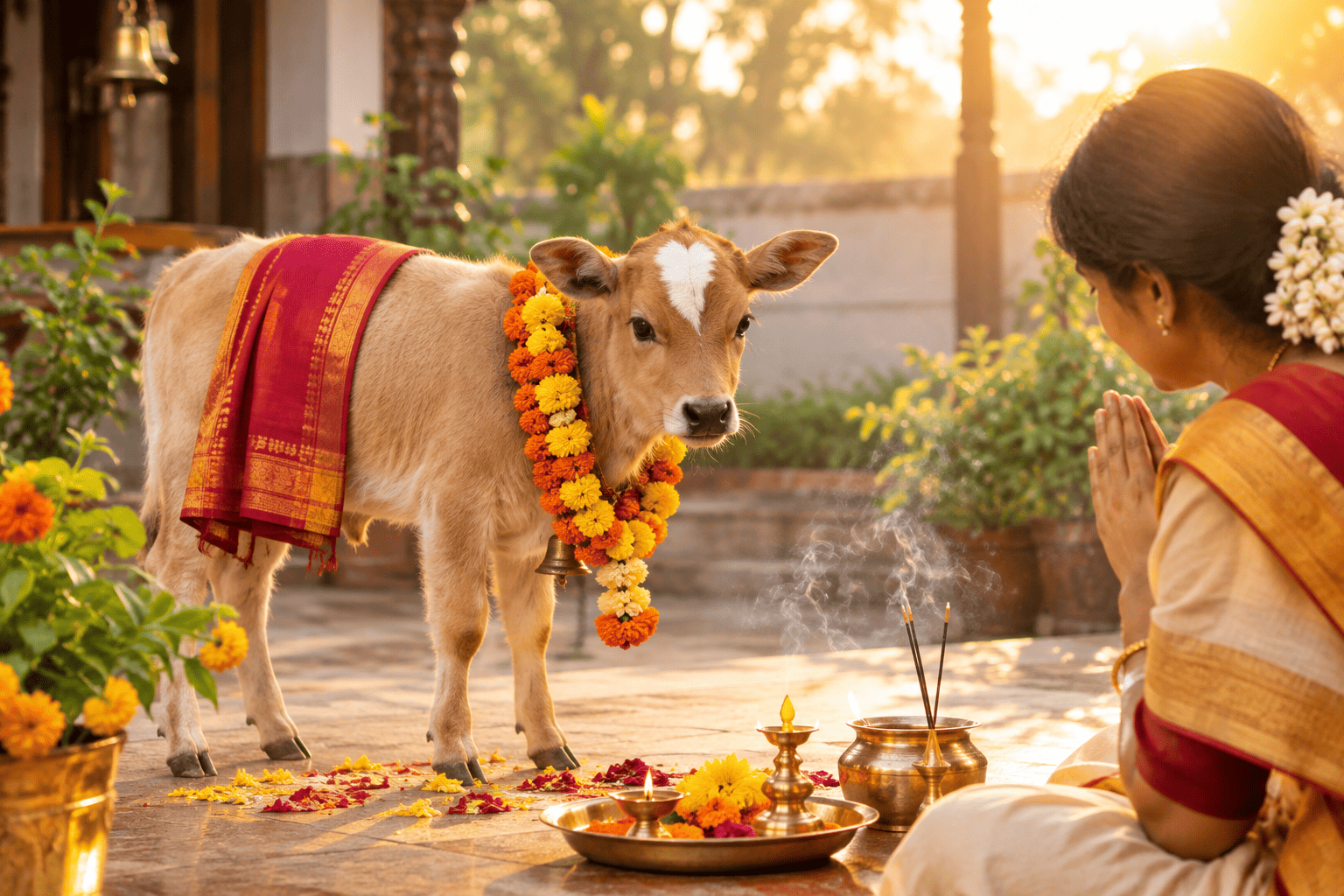
Devotees might offer flowers, put on a paste of turmeric and kumkum, offer food, and seek a blessing throughout the ritual. Each gesture, in this way, acknowledges respect, affection, and gratitude.

Its deeper message reminds us of three important values:

  • Observe a range of living things with respect.
  • Identify the role played by animals in our lives.
  • Extend kindness and exercise care towards animals.

The occasion provides a chance to reconnect with the old values of gratitude and coexistence.

4. What Can We Learn from Our Ancestors Today?

In today’s life, we are generally detached from the natural systems that help meet our requirements. Gau Pooja provides an occasion to think about how humans, cattle, farming, and the environment are related to one another.

But reverence for cows cannot be limited to conducting a ceremony once a year only. Reverence lies in making sure that they are well taken care of throughout the year.

It means that providing them with healthy food, safe water, shelter, medical treatment, and a safe environment comes from reverence.
Cow Pooja

5. How Can Cow Adoption Keep Traditional Cow Culture Alive?

How would it be if your commitment could change the fortune of a cow?

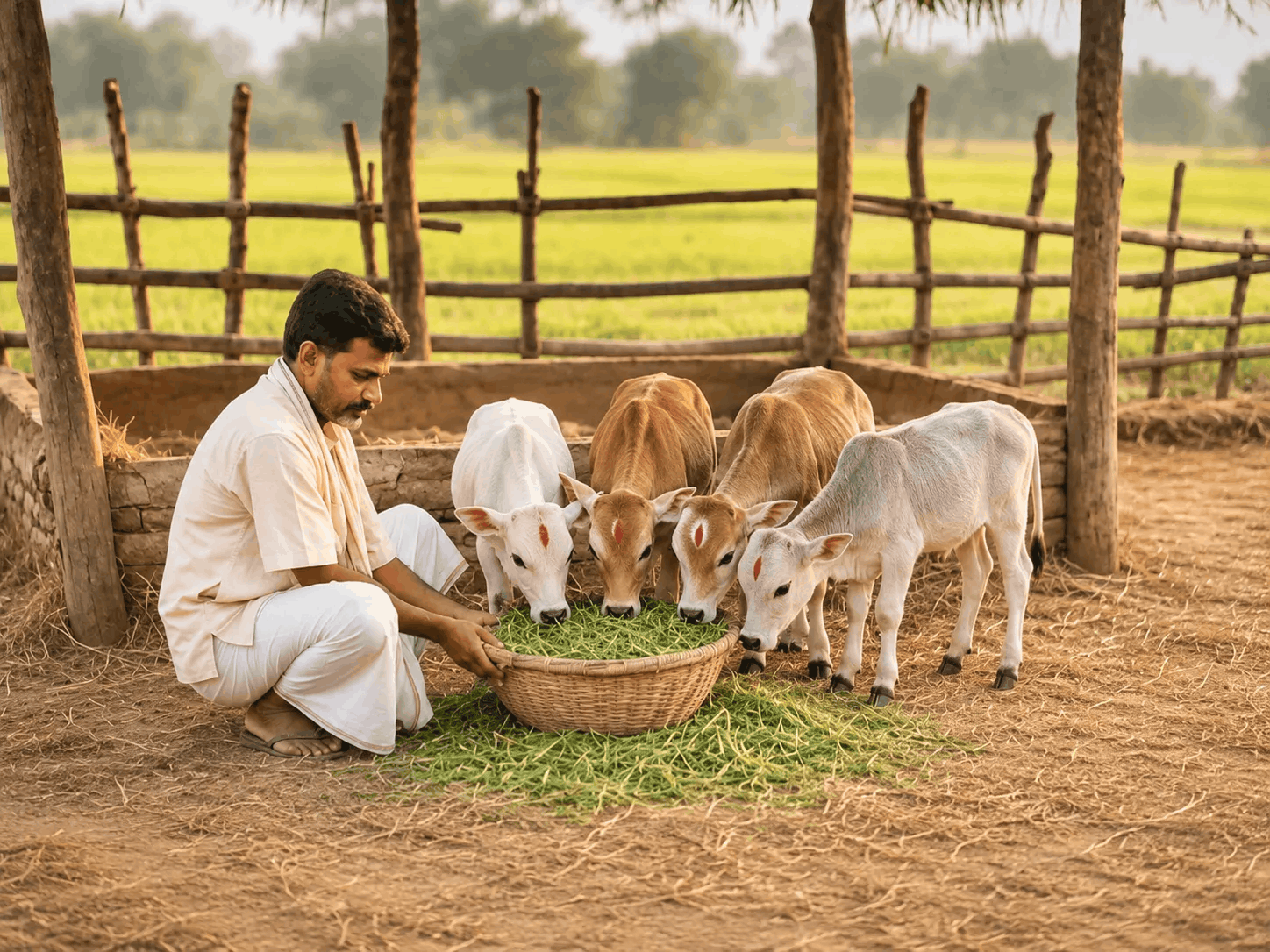
This Gau Pooja, celebrate uniquely by adopting a mini cow from a well-managed farm organisation.

Your adoption support can help provide:

  • Access to nutritious food and clean drinking water.
  • Regular veterinary check-ups and veterinary care.
  • Safe shelter and day-to-day care.

Gau Pooja flowers are an expression of devotion. Care given throughout a lifetime is a true expression of compassion.

Keep in mind the wisdom of our ancestors, not only in rituals, but also in action.

Celebrate Gau Pooja. Honour Gau Mata. Make compassion a way of life.

References Link: https://www.ajssh.leena-luna.co.jp/AJSSHPDFs/Vol.3(1)/AJSSH2014(3.1-20).pdf
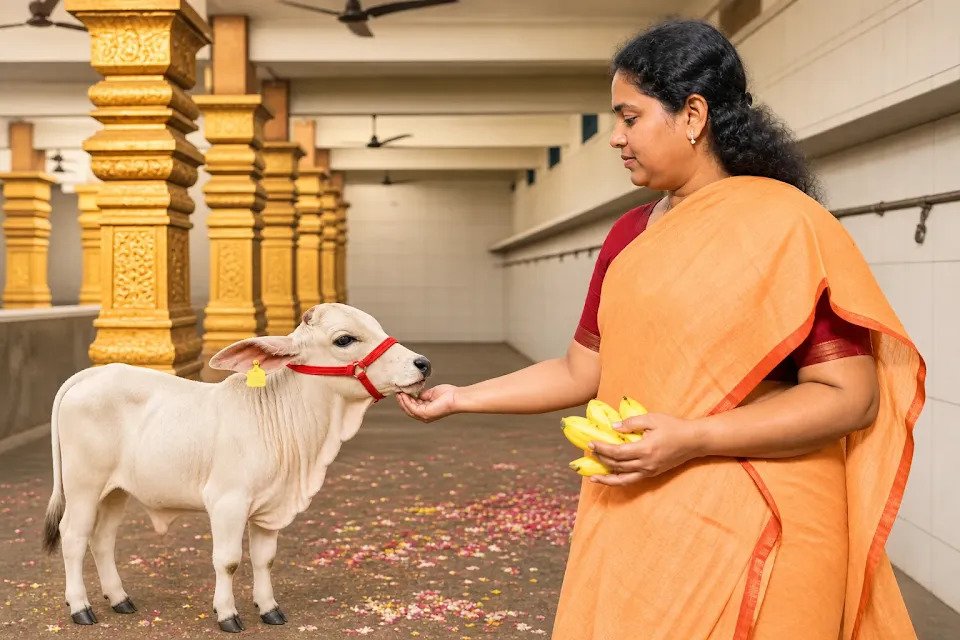
Discover the Beautiful Meaning Behind Gau Pooja Rituals

Remember the nights you fell sick as a child? Your mother stayed awake beside you, pressing a warm glass of milk into your hands. She never asked for thanks. She asked for nothing, except that you be well.

Now think of someone else who gives the same way: a cow, standing quietly at dawn, feeding children she will never meet. No name. reward. No “thank you.”

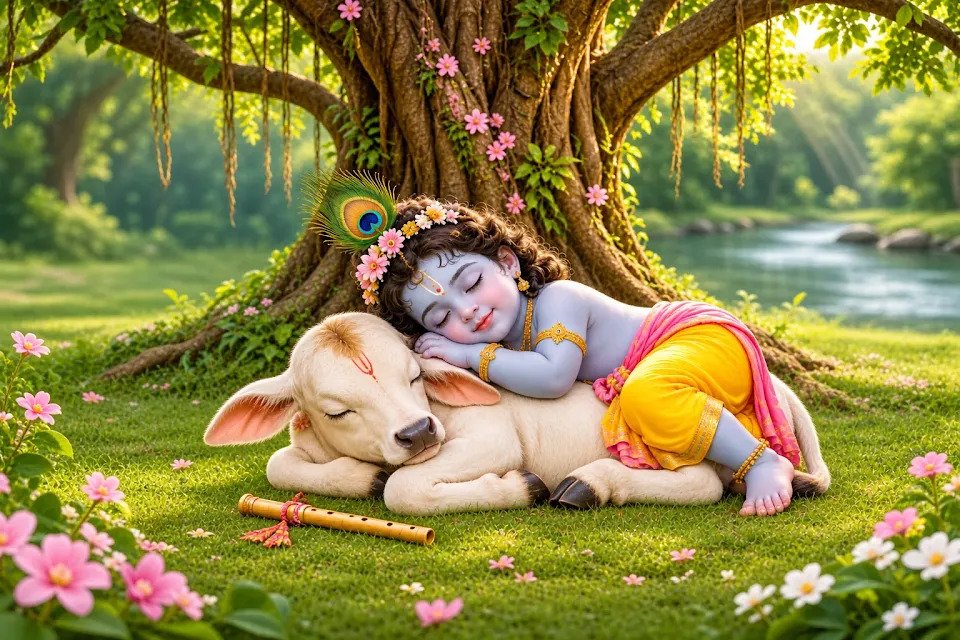
Perhaps that is why our elders never saw her as just an animal. They called her Gau Mata, Mother. And every time we forget how much she gave us, that word reminds us.

1. Why She Is Called “Mother”

Consider how the mother works. She serves the food to you first and then eats it herself. She gives, she never counts.

The cow does the same. Indian families have been nourished by her milk, without the hue and cry, without asking anything in return. That’s why she is regarded as a symbol of giving, caring and loving.

Honouring the cow is a ritual for the Hindus, and it’s not just any old cow; it’s a sacred one. It is an expression of gratitude for all that supports, provides and enables the human person.

2. Gods Who Are Connected to Gau Pooja Rituals

The cow is not just present in Hindu stories. She stands beside the divine.

  • Lord Krishna (Gopala): Beloved cowherd, who looked after and protected cows

God's divine

  • Lord Shiva: Divine bull Nandi, a symbol of devotion and power
  • Kamadhenu: Divine wish granting cow, a symbol of abundance, wealth and sustenance.
  • Gau Mata: the motherly figure who stands for kindness, patience, and generosity

Through scriptures, stories, and rituals, these bonds made the cow spiritually sacred in Hindu tradition.

3. She Carried Indian Life on Her Back

Long before machines and supermarkets, cows were already doing their job supporting the household and farm.

  • Milk and dairy: milk, curd, ghee and butter, filling kitchens and temple offerings
  • Agriculture: bullocks ploughing, carrying loads for farmers
  • Organic farming: Cow dung as natural manure, maintenance of the fertility of the soil.
  • Cow products used in some Hindu rites, customs and traditions.

She gave, giving and giving. Her spirit became a symbol of abundance, thankfulness and sustainability.

4. Why Do Gau Pooja Rituals Go Beyond Worship?

Cow worship is not just about praying to cows but what type of person it makes you. Being kind to animals is a sign of compassion and respect for life according to Hindu philosophy.

Worshipping Gau Mata reminds us to practise:

  • Ahimsa:  never harming any living creature
  • Gratitude:  being thankful for nature and what it provides

Cow Pooja

  • Compassion:  being kind to animals
  • Respect for nature:  knowing the connection between humans, animals and the natural world.

These values make cow worship meaningful beyond religious boundaries.

5. Why Do Hindus Perform Gau Pooja?

Gau Pooja is a traditional Hindu ceremony where offerings of flowers, turmeric, kumkum and food are made to cow as a token of thanks and for blessings from the divine

Gau Pooja is usually performed on festivals, religious occasions and auspicious dates. Many families believe that by serving and looking after cows you will bring peace, prosperity and positive vibes into your family

Bring Gau Mata’s Blessings Home

You don’t have to go all out, sometimes the simplest form of worship is the most beautiful spiritual experience.

Mini Cow Pooja is an easy and genuine way to celebrate the divine importance of Gau Mata. It’s perfect for if you want to:

  • Celebrating a special occasion with meaning
  • Ask for blessings for your family
  • Teach your children about Hindu customs and values

Experience Indian culture and spirituality right from in your own home.

Your family will be able to experience the beautiful values of love, thanks, compassion and devotion of Gau Mata.

Get in touch with us to book your Mini Cow Pooja and make your celebration extra special.

Can Cow Worship Teach Us the True Meaning of Kindness?

Kindness is reflected in the way we treat other living creatures, including animals. Cow worship holds a special place in Indian culture and Hindu traditions, where cows are associated with motherly love, fertility, and wealth. Cow pooja is a ritual that reflects people’s gratitude for cows’ contributions and kindness towards these wonderful creatures. As well as, it conveys respect for other living beings in general.

The Spiritual Meaning of Cow Worship

Cow pooja is a Hindu ritual in which devotees pray and seek to show respect and devotion to cows. During religious events, people decorate cows with flowers, apply turmeric and kumkum in appropriate places, and offer them suitable food.

Cows have long been held in high esteem for the milk that they produce and their role in the agricultural setting. For some followers, it has also been a form of worship, a way to pay homage to nature for its gifts.

The practice encourages people to become self-conscious about how they treat animals in their everyday lives.

Cow care

How Cow Pooja Teaches Us Kindness

Cow pooja can teach us that kindness is based on understanding the needs of the living creatures around us. These creatures, usually animals, are dependent and reliant on humans for protection and care, especially when living in shelters or around human habitats.

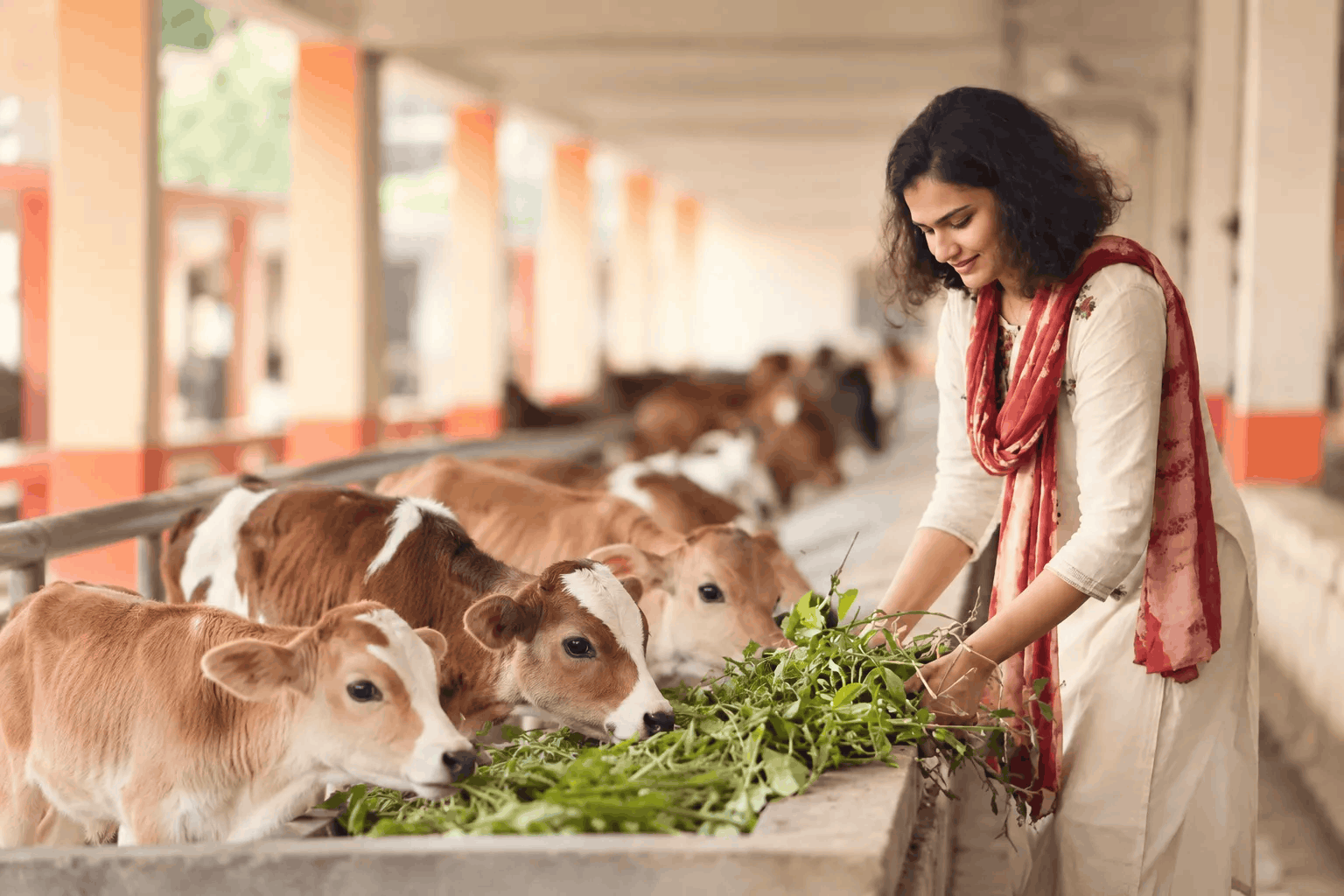
When we feed them properly, give them water, and let them rest somewhere clean, it shows our love for the cows. These are all little things we can do to improve a cow’s life.

The tradition can teach the children to empathize. Making them treat the animals gently can give them a sense of respect for life and make them responsible in the future.

Simple Ways to Show Kindness to Cows

We can practise the values of cow pooja through simple actions throughout the year:

  • Provide suitable food: Provide suitable feed with the guidance of a knowledgeable caretaker.
  • Keep fresh water available: Ensure cows have access to drinking water.
  • Support their health: Help them receive veterinary attention when required.
  • Offer safe shelter: Keep their environment clean and protect them from adverse weather.
  • Treat them gently: Do not attempt to intimidate or harm the animal or put it in any dangerous situation.
  • Support animal shelters: Help out the organisations taking care of the animals.

These actions show that respect for animals can be part of our everyday routine, not just a religious occasion.

Passing Kindness to Future Generations

As a result of being taught about cow pooja, children learn how to appreciate, show patience, and be compassionate. Parents can teach them how to be kind to animals.

Cow Kindness

Although values and traditions vary from one family to another, treating animals with kindness remains an important part of daily life.

Celebrate Cow Worship Through Kindness

Cow pooja helps us honor the age-old traditions while reminding us of our responsibility towards animals. Devotion to animals is a far greater pleasure.

Show love, faith, and compassion to animals this festive season with our Cow Pooja. Make your celebrations worthwhile this year by helping cows and spreading kindness throughout the year.

References Link: https://pmc.ncbi.nlm.nih.gov/articles/PMC5981275/

Why Do Traditional Poojas Use Cow Ghee Instead of Other Oils

Have you ever seen a diya lit with cow ghee while performing a pooja and pondered why ghee holds a certain importance when there are so many other oils available? This yellow and aromatic ingredient is not only used in the kitchen but is considered a sacred gift of Hindu customs since long ago.

Why Does Cow Ghee Hold a Special Place in Pooja

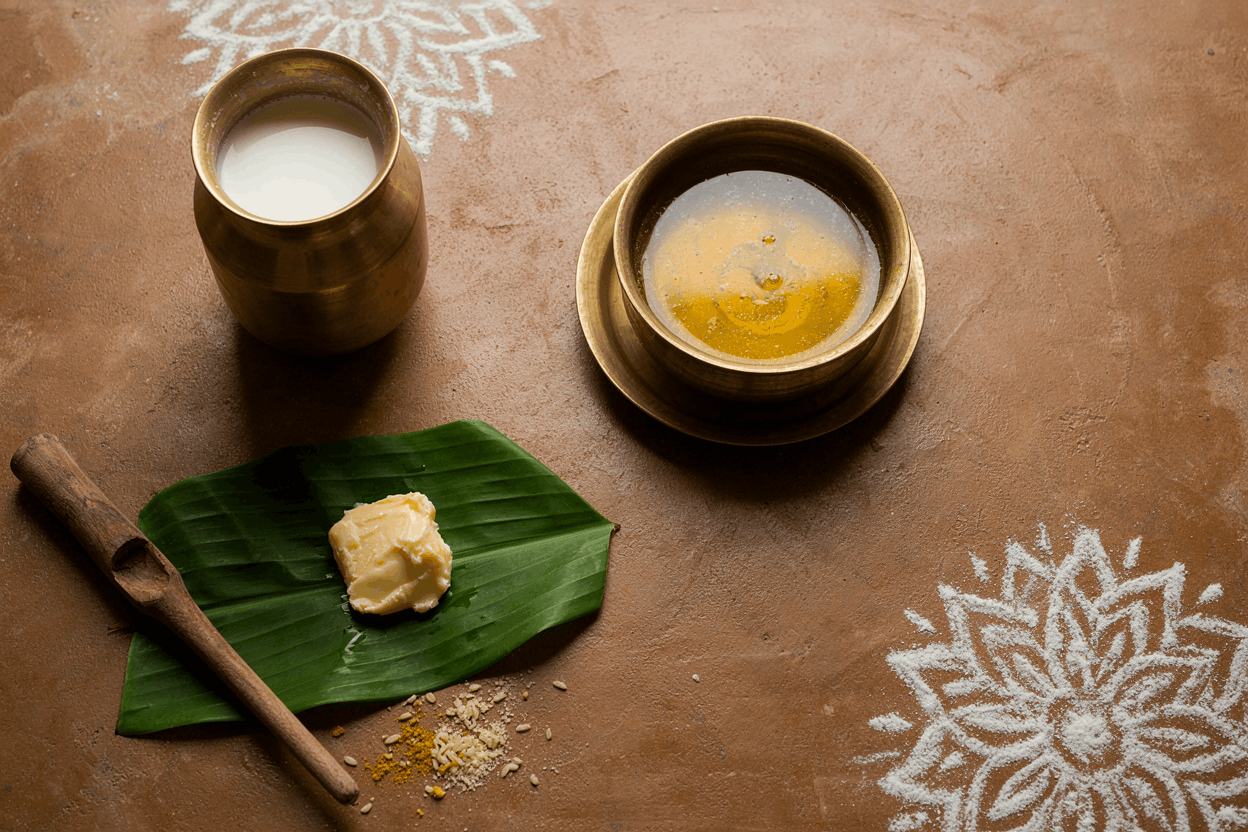
Cow ghee is made from cow milk using the traditional method that involves making curd, taking out the butter, and then heating it. Due to its link to tradition, many followers see cow ghee as pure and sacred.

Cow Ghee

In the pooja ritual, ghee is used to light the diyas and perform other rituals like havan. The lighting of the ghee diya is believed to be a representation of knowledge, positivity, and getting rid of darkness.

Why Choose Cow Ghee Over Other Oils

Therefore, why is cow ghee the preferred choice? The reason for that is mostly because of religious beliefs and long-held traditions rather than scientifically proven spiritual advantages.

Devotees commonly choose ghee because:

  • This represents purity: The pure ghee of the cow is always considered sacred.
  • It is part of the culture: Families have used ghee for their religious ceremonies for ages.
  • Its use is in havan: Ghee is regularly offered in sacred fire during yajna and havan.
  • It illuminates traditional diyas: Many devotees prefer ghee lamps during special poojas.
  • It symbolizes dedication: Offering ghee is a way to express gratitude and dedication.

What Does a Ghee Diya Symbolize

Small flames could carry significant meaning as well. For instance, among Hindu rituals, lighting up the ghee diya represents the triumph of enlightenment over darkness and ignorance.

Traditional Cow Ghee

These can vary from one family to another and from one place to another. But cow ghee is one common element that brings together many devotees with traditions of their forefathers.

Can You Include Cow Ghee in Your Pooja

Of course, if your tradition requires it, you can always use pure ghee in the diya or as an offering in a havan. Keep all tools clean, and observe the traditions that are linked to your pooja.

Make Your Cow Pooja Truly Special

Considering organizing a cow pooja ceremony in your home or for any other event? We are glad to assist in planning a cow pooja ceremony using mini cow poojas.

Connect with mini cow pooja service providers and have your unique day celebrated with devotion and blessings.

References Link: https://pmc.ncbi.nlm.nih.gov/articles/PMC10789628/

Can Using Cow Dung Incense Bring More Peace to Pooja Rituals?

What if just burning cow dung as an incense stick made your pooja more peaceful, traditional, and spiritually connected? 🪔🐄

Cow-related items have always been valued by Hindus through the generations. It is worth mentioning that cow dung has been used as an element in homes, temple rituals, havans, and other religious ceremonies. In today’s time, there is a rising trend of incense sticks and dhoop made from cow dung in poojas.

But can they actually make a pooja more effective?

The Spiritual Significance of Cow Dung

In several Hindu cultures, the cow has been regarded as an object of worship in connection with purity, nutrition, and success. For ages, cow dung has been treated as a purifying substance and utilized in rituals.

pooja rituals

Incorporating cow dung-incense into the pooja rituals could thus contribute toward a more holistic practice of these traditions. Nevertheless, whether or not the spiritual experience of using incense is effective cannot be determined through science.

How Cow Dung Incense Can Enhance the Pooja Experience

Incense when burnt, creates fragrances that can affect the mood of the prayer place. A pleasant fragrance will enable the believers to concentrate on their prayers.

Some traditional benefits associated with cow dung-based incense include:

  • Traditional ambiance created: The utilization of it links modern traditions to established traditions.
  • Increases focus: Scent that is relaxing scent could contribute to making an environment conducive to prayer.
  • Symbolizes reverence for the cow: It includes an item made from cow that is traditionally revered.
  • Mindfulness: Incense burning can be incorporated into the ritual practice of doing a pooja.
  • Fragrance for the prayer area: This will add some scent that will help make the place more comfortable.

Tradition Meets Mindful Worship

Incense during pooja could have significance not only in terms of its physical existence. Diya lighting, offering flowers, chanting of mantras, as well as burning of incense could become a constant ritual that would allow your mind to transition from routine activities to praying.

For those individuals who practice traditionally, this type of incense derived from cow dung can become an integral part of this holy ritual.

However, while using incense smoke, one must exercise caution. There should be proper ventilation, and there should not be too much smoke. Also, incense should be kept away from kids, pets, and fire hazards.

Bring Sacred Traditions Closer With Cow Pooja

Cow worship is a sacred practice performed by people who want to show their gratitude and love towards the revered cow. Besides the ceremony, this can become a beautiful experience when one is able to embrace the old values of compassion towards animals.

Want to experience the spiritual beauty of cow pooja? 🐄❤️
Experience the real Cow Pooja celebrations by joining The Mini Cow and make your event a celebration of devotion and love.

Reference link: https://ayodhyashri.com/why-cow-dung-cakes-are-sacred-for-hindu-pooja-and-astrology/

What Pooja Benefits Can Transform Your Spiritual Routine

We have rituals that involve our hands and rituals that involve our hearts. The pooja benefits of this sacred cow ritual go beyond the ceremony itself. This act of devotion involving the cow has been performed by devoted individuals for centuries with their prayers, their garlands, their offerings, and most of all their reverence. But this ritual is not merely an act of devotion.

So, what makes people return to this sacred practice again and again?

More Than Just a Morning Ritual

In Hindu society, the cow is associated with nurturing, which includes childbirth, nurturing, cleanliness, and fertility. Therefore, when one does a cow pooja, they pay homage to God in return for their blessings.

In addition, doing the pooja can provide a chance for some peace amidst a hectic routine. It allows one to pray and be grateful.

Cow Pooja

Pooja Benefits Devotees Seek

Different families may follow different customs. However, devotees often associate cow pooja with:

Doing cow pooja can provide one with peace and calmness in difficult situations. At the same time, it can be an indication of prosperity and abundance in the lives of the members of the family. It involves building spiritual strength through devotion and dedication while bringing the family together and making their bonds stronger.

Doing cow pooja can mean that you appreciate nature and the animals, along with the good things in your life.

The pooja benefits come from spiritual and cultural beliefs and are not scientifically proven. The fact still is that the ritual’s emotional significance is very strong among believers.

Why Are People Still Drawn to It?

Life in today’s world offers innumerable opportunities for rushing. However, the ancient rituals teach one to stop and take a break from the rush.

It is possibly the subtle magic of the cow pooja. It is not the ritual itself that can make a difference; the attitude it inspires may change everything.

Experience the Spiritual Pooja Benefits

If your family wants to honour this beautiful tradition, you don’t have to wait for a special occasion.

Book a cow pooja today and create a sacred moment of devotion, gratitude, and togetherness for your family.

Why Does Cow Seva Create a Deeper Connection With the Divine?

Can a simple act of Cow Seva quiet the noise of everyday life? For many devotees, serving Gau Mata is more than a tradition; it is a sacred expression of love, gratitude, compassion, and devotion.

Why Does Gau Mata Hold Such a Sacred Place?

For Hindus, the cow holds high reverence and is regarded as Gau Mata – a representation of motherly love, nurturing, and selfless giving. This is what Cow Pooja and Gau Seva are all about, wherein devotees have an opportunity to show their gratitude with such basic forms of worship.

This experience could be very intimate. Just being next to the serene cow while feeding it, applying a tilak on its head, or offering prayer is like taking a break from worldly troubles.

How Can Cow Pooja Become a Spiritual Experience?

Cow Pooja is performed with devotion rather than with the intention of following a mundane ritual. The religious ambiance helps in introspection and thankfulness. In this way, it serves as a symbol of the loving devotion of devotees along with fostering their spiritual belief.

Cow Pooja

The deeper meaning of Gau Seva lies in performing duties without receiving anything in return. Caring about another living thing serves as a reminder to us that spirituality also involves care and responsibility.

What Can Cow Seva Awaken Within Us?

  • Gratitude: Appreciation of nourishment, nature, and life itself.
  • Compassion: Cultivating compassion towards other creatures.
  • Inner peace: Making oneself available for prayer and contemplation.
  • Devotion: Showing devotion to God through action.
  • Seva: Giving care without expecting anything in return.

Cow Seva

When Service Becomes a Prayer

Maybe what makes Gau Seva so special is that it’s simple. A light touch, a prayer, and an offering of love may lead to a profound spiritual experience. It shows that our devotion doesn’t have to be elaborate all the time; we only have to start by taking care of someone else’s life.

Experience the Sacredness of Cow Seva

Do you wish to conduct Cow Pooja with full dedication and have an uplifting spiritual experience? Take advantage of our Cow Pooja Services and make your auspicious event more special with sincere Gau Seva and worship.

References Link: https://link.springer.com/article/10.1007/s40737-025-00509-4

How Can Gau Seva Bring Peace and Devotion?

Gau Seva begins with a beautiful feeling when you sit before Gau Mata in the prayer pose, hear the mantras being chanted, and see the diya glow nearby. It is at this time that your heart gets lighter and your surroundings become peaceful. Gau Mata has been held in high regard since ancient times in Indian culture because of her qualities of love, motherliness, purity, and generosity. A Gau Mata Pooja makes these wonderful values more significant through a beautiful celebration.

Pooja Filled with Faith and Love

Gau Mata Puja can be a beautiful way to spend a unique moment in dedication. Families and devotees join hands to offer prayers, receive blessings from Gau Mata, and thank her.

The ceremony can include simple traditional rituals such as:

  • Diya lighting and creating an atmosphere of peace
  • Flower offerings and tilak applications with reverence
  • Mantra chanting and making sincere prayers

Cow Pooja

  • Feeding of Gau Mata with love
  • Aarti performance during the ritual
  • Gau Seva participation with compassion

Each ritual may be simple, but the feelings behind it make the occasion special.

Beauty of Gau Seva

“Gau Seva” is a beautiful way to demonstrate your devotion through seva. Simply feeding the cow, taking care of her needs, or even spending some time with her will be an expression of your gratitude.

This is also an awesome activity for children, whereby the kids get the chance to learn the values of kindness, respect, compassion, and love towards living beings through the seva of feeding the goddess Gau Mata.

Make Your Special Day More Sacred

Gau Mata Pooja can be a blessing in many religious festivals, marriages, birthdays, new house celebrations, and family occasions. It is not just the celebration of the occasion, but a time when all family members stop, offer prayers, and have an experience together.

Miniature Cow

Gau Mata’s presence is serene, the prayers are soothing, and the love of family makes everything truly unforgettable.

Bring Gau Mata’s Blessings to Your Celebration

With the help of Mini Cow Services, make your special occasion even more memorable by availing yourself of the traditional Cow Pooja. Welcome Gau Mata lovingly, conduct the rituals, and make unforgettable memories with your family members.

Make sure that your event starts on the right foot with devotion and blessings. Get in touch with Mini Cow Services and have Gau Mata bless your event.

References Link: https://timesofindia.indiatimes.com/city/lucknow/gau-seva-emerging-as-model-for-economic-prosperity-self-reliance/articleshow/130868587.cms

Gau Pooja 6 Divine Reasons for Faith and Inner Peace

While looking for peace, some traditions passed on from generation to generation become an answer to the needs of people’s hearts. Gau Pooja is one such sacred Hindu practice that combines devotion, gratitude, compassion, and faith. Being a devotee of Gau Mata means being devoted not only to life and nature, but also to God. It may give worshipers a sense of emotional peace in their eyes.

1. Gau Pooja Deepens Your Connection With Faith

The Cow Pooja offers the chance to take a break from all of the duties of life and concentrate on devotion. By praying to the goddess Gau Mata, the devotees can revive their religious faith in themselves.

2. Encourages Gratitude and Compassion

The cow is a sacred animal and revered as “Gau Mata.” Revering the cow and serving it can motivate the devotees to recognize the significance of the gifts of nature and become kind to all life forms.

3. Gau Pooja Supports Inner Peace

Devotion through prayer and rituals can help in creating a calming environment. Reciting mantras, offering, and meditation can assist in feeling more focused and serene for the followers.

4. Connects Devotees With Hindu Traditions

Cow Pooja holds significant importance in the Hindu religion and culture. It is done in relation to celebrations like Govardhan Puja and Gopashtami. Maintaining these traditions will help the younger generations inherit them spiritually.

5. Inspires Positive Spiritual Values

This ceremony may also serve to reinforce values which are significant in Hindu spiritual practices, such as:

  • Compassion towards animals
  • Gratitude towards nature
  • Respect for life
  • Faith and devotion
  • Kindness and charity
  • Contemplation and inner peace

Such values may be transferred outside of the ceremony and into everyday life.

Gau Pooja

6. Creates a Meaningful Spiritual Experience

Even for those followers who have trouble going to the temple or gaushala, the practice of Cow Pooja can be included in their religious routine in an easy way. The right conduct of the puja ritual will give an opportunity to pray and ask for blessings.

How Can You Perform Cow Pooja Today?

Traditional Cow Pooja could include chanting, flowers, food, and other activities depending on the local traditions. But personally organizing everything is not always easy, especially for those individuals who have a very busy life and cannot visit temples and gaushalas frequently.

Experience Cow Pooja With Mini Cow

Mini Cow provides Cow Pooja for people who wish to perform their pooja with ease. If you seek spiritual tranquility, wish to pay homage to Gau Mata, or just want to continue your Hindu traditions, the service of Cow Pooja would be easy and convenient for you.

Bring Devotion Into Your Life

In some cases, a few minutes of honest prayers may serve as a reminder of what is important in life. Cow Pooja provides a chance to cultivate faith, thankfulness, kindness, and serenity.

Ready for Cow Pooja? Arrange your Cow Pooja now with Mini Cow and move one step closer to establishing a spiritual link.

References Link: https://divydarshan.in/blogs/news/gau-puja-the-significance-and-benefits-of-worshiping-the-sacred-cow-in-hindu-rituals

Why Is Cow Pooja Tradition Important During Festivals?

Cow Pooja Tradition still holds importance for many Indian households. This tradition represents nourishment, compassion, prosperity, and respect for nature. Indians continue this practice because it connects them with their culture and allows them to express gratitude toward cows for their contribution to rural life.

The cow is an integral part of life for the Indian people. For the Indian people, the cow has a significant cultural role.

In Indian society, the cow has been a part of society for centuries. They were intimately involved in traditional communities in agriculture, domestic life, and food production.

Cow is considered a symbol of:

  • Nurturing and nourishment
  • Patience and kindness
  • Wealth and plenty
  • Observing respect towards nature and creatures.
  • Traditional agricultural life

Values continue to shape the number of families who continue to attend festivals today.

During festivals, cows are venerated. Why?

Either in honor of an event or simply family custom, festivals provide an opportunity to pause and become involved in something that really matters. Among many people, worshipping a cow is a form of thanks and devotion.

Families should be able to:

  • Decorate the cow and clean it.
  • Provide appropriate feed or feedstuffs.
  • Use conventional decorative application.
  • Carry out religious practices in line with family traditions.
  • Please take your time to treat and respect the animal.

It is essential to state that there may be variations depending on the location or the community involved.

Miniature Cow

Connecting Tradition With Compassion

Here, a key part of these customs is to make animals happy. Cow pooja during festivals can also get people to think about the daily duty to take care of animals, and it can’t be just a ritual.

Clean water, nutritious food, shelter, hygiene, and veterinary care embody the values of compassion that are encouraged by many of the festivals.

Cow Pooja Tradition in Festivals and Family Traditions

Festival traditions are often transferred from one generation to another. They offer children a chance to learn about traditional values through their participation in animal treatment.

  • For what reasons cows have been significant to Indian communities.
  • The role of cattle in agriculture.
  • The importance of gentle handling of the animals.
  • Why it’s important to care for animals responsibly.

This helps to pass on the tradition to younger generations in a more educational way.

Cow Pooja is a blessing in the modern era.

Today, we can preserve our tradition and take into consideration the well-being of animals. Please always do it safely and without any distress or discomfort for the animal.

Festival pooja

Festival pooja can thus be a moment to promote culture and responsible care of the cow. Gesture handling and provide a calm environment, clean water, nutritious food- simple acts!

Conclusion

Cow worship in Indian festivals is significant due to cultural traditions, appreciation, spirituality, and love for animals. Though there may be cultural variations between different regions, the message can be the same: value nature, respect animals, and transfer significant values to the next generation.

Enjoy the connection with TheMiniCow!

If you would like to know more about miniature cows, their maintenance, tradition, and the unique relationship between the family and a miniature cow, for people who appreciate these sweet animals and want to get to know more about proper miniature cow keeping, TheMiniCow will be helpful.