
Why Is Cow Appetite Suddenly Dropping in Your Miniature Cow?
A cow that stops eating suddenly cannot just be regarded as a “picky” eater. A change in cow appetite may be the first sign of trouble. As the continuous provision of food is critical to the cow’s energy requirements, digestion, and good health, such changes should never be overlooked.
Is Your Cow Turning Away From Its Favorite Feed?
Cows generally stick to a consistent eating pattern. A drop in appetite, a change in what your cow normally eats, or spending more time off of the eating area could be a sign of trouble.
There are many reasons why a cow’s appetite would decrease. The reason might simply be bad food that is causing the problem. Other times, it could be digestive issues or some sort of infection.
Look Beyond the Feeding Trough
Decreased appetite can be serious if accompanied by other symptoms. This includes a decrease in your cow’s activity level, chewing habits, drinking habits, or the appearance of the manure. These symptoms may help you know that the decreased appetite is related to another disease.
Common things to watch for include:
- Indigestion disorders: This is because of changes in the diet of an animal, indigestion, or bloating, which impacts its appetite.
- Diseases: If there are any illnesses or diseases in the body of a cow, it will result in reduced feed intake.
- Poor quality of the feed: Feed that is poor or contaminated will discourage the cow from eating.
- Heat stress: Heat stress will reduce feed intake, especially when the cow is not cooled or hydrated.
- Injuries: It can affect feed intake of the cow because of leg and foot injuries.
Could the Feed Be Affecting Your Cow Appetite?
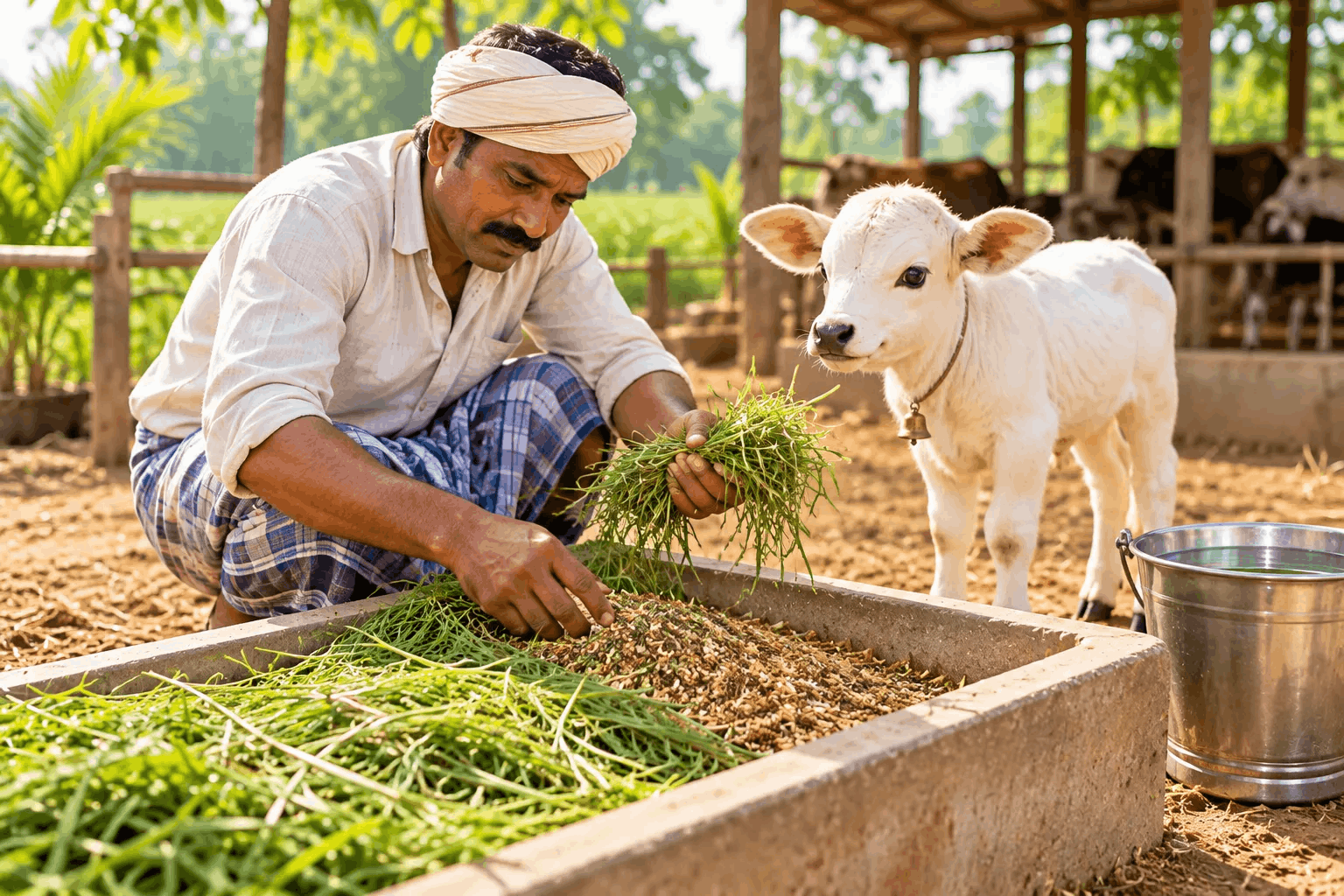
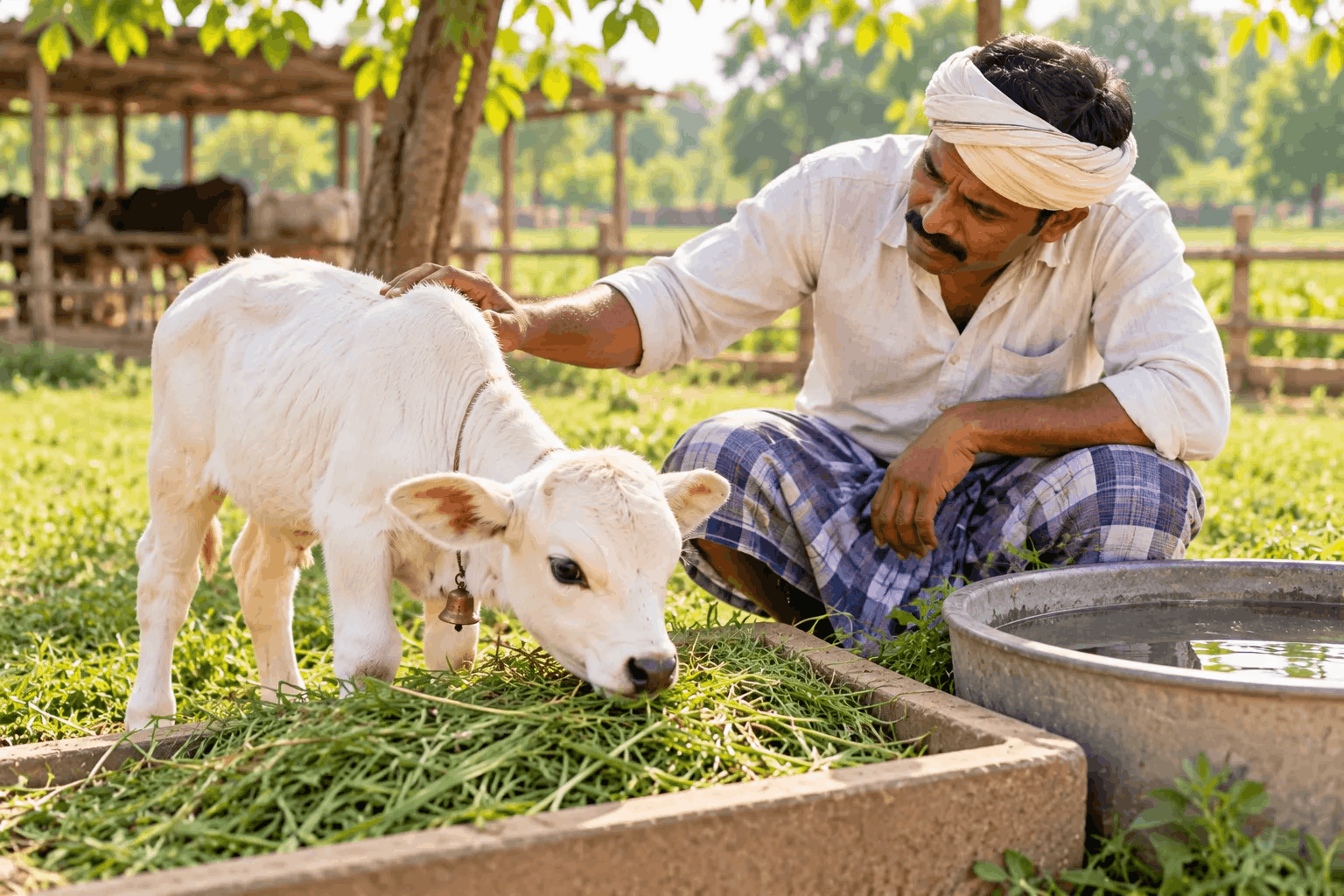
Before concluding that the cow is ill, make sure to check the feed and water. The feed should smell fresh and have been stored correctly. Fresh, clean drinking water must always be available.
Changes in diet can also cause digestive disturbances in the miniature cow. Gradual feeding of new feeds can minimize the chances of digestive disorders.
When Should You Take Action?
If a cow is not taking any food at all, looks weak, breathes with problems, has severe pain, swelling, and some other strange symptoms, then the vet should be consulted immediately.
Do not wait until it becomes evident. Early observation may assist you in becoming aware of any changes that have taken place.
Can a Small Cow Appetite Change Be a Big Clue?
Your cow cannot express pain, but her eating patterns will have plenty to say.
Keep an eye on its eating behavior, attitude, drinking behavior, and general health status daily. In case of any sudden change, do not ignore it.
Eating behavior is one of the most basic indicators of health for a miniature cow.
References Link: https://pmc.ncbi.nlm.nih.gov/articles/PMC2202315/