What Does Punganur Nutrition Need for Healthy Lactation?

Your Punganur cow is producing milk; does she have enough nutrition in return?  Good Punganur Nutrition is essential during lactation to support her health and milk production.

During the time when the cow is producing milk, her body is working tirelessly each day. Therefore, just feeding her grass and water might not be enough for her. It is important for her to get a balanced ration containing all the necessary nutrients.

However, what should be included in her feeding program? Let us see!

Is Your Lactating Punganur Cow Getting Enough Protein?

Consider protein as something that makes up the body of your cow. In lactation, protein will be able to help in the maintenance of the body and production of milk.

Protein is added to her diet by providing her with green fodder, legumes, and properly balanced cattle feed. Nevertheless, the proper quantity will depend on several factors, such as body condition and age.

More food doesn’t guarantee more milk production. The balance is all that matters!
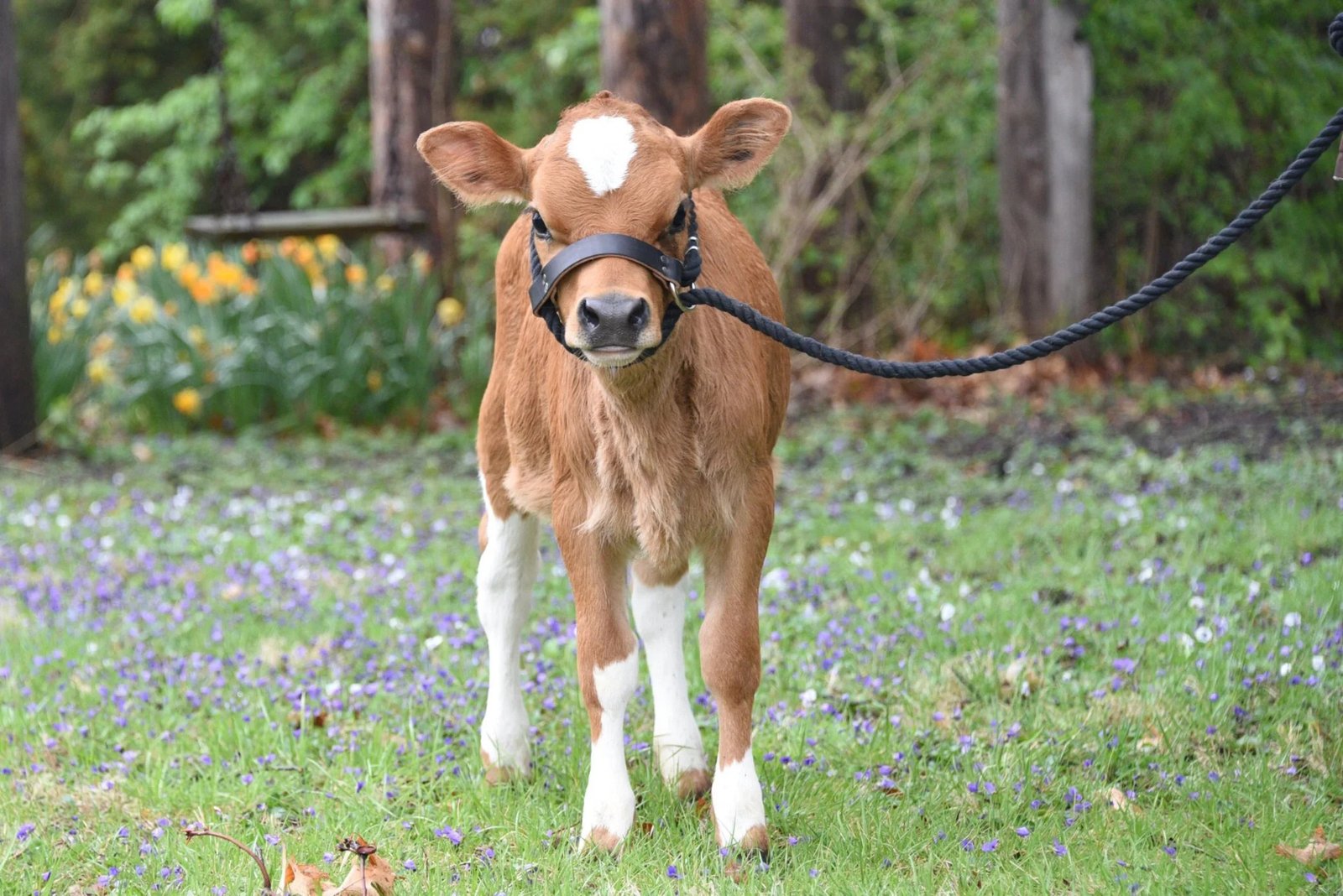
healthy Punganur cow

What Does Punganur Nutrition Need for Milk Production?

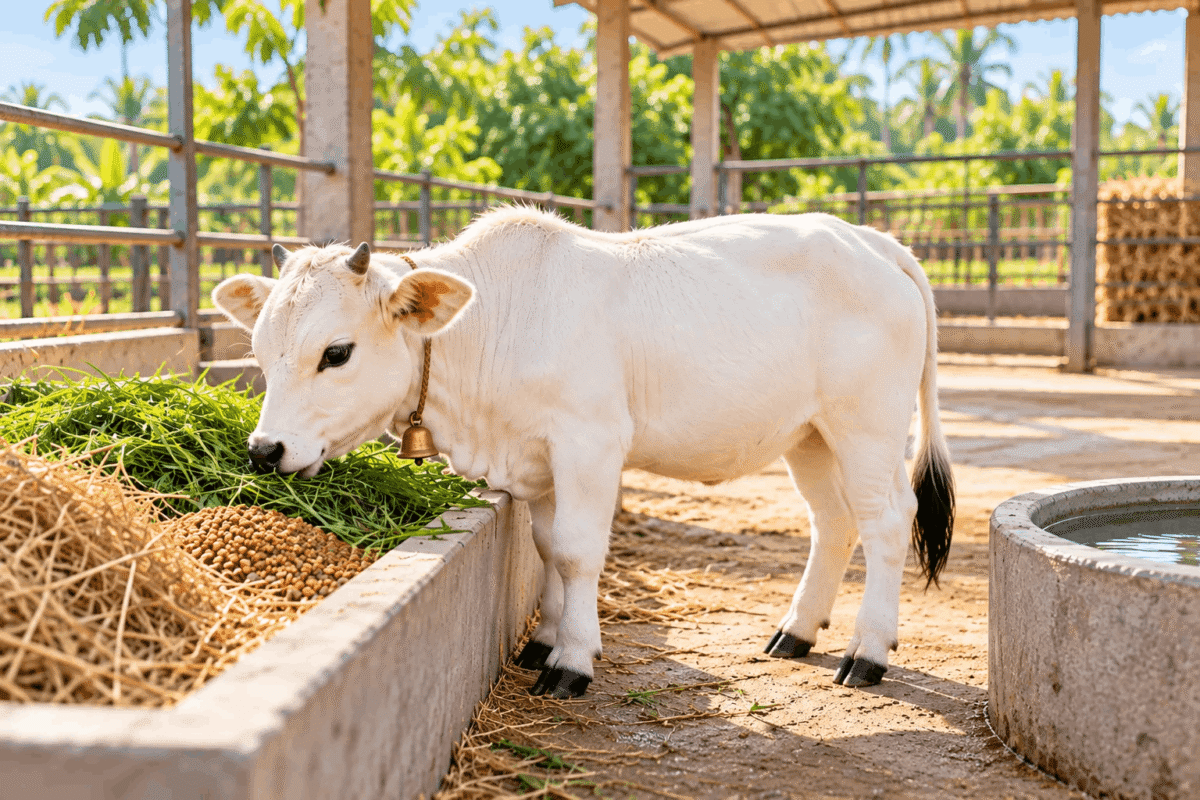
Milk production uses energy. Lack of adequate energy means that the lactating cow will be unable to sustain herself in good physical condition.

Proper forage and adequate supplements can fulfill her energy requirements.

A practical feeding routine may include:

  • Fresh green fodder and good grasses
  • Good quality dry fodder or hay
  • Protein supplements as per requirement
  • Concentrate feed as per requirement
  • Minerals according to professional advice
  • Clean and fresh drinking water

How Does Fiber Support Punganur Nutrition?

Absolutely!

Fiber is important for keeping her rumen healthy. Green and dry fodder mixed together will provide the fiber that she requires.

Here is the twist: sudden dietary changes or overfeeding of concentrates can have an adverse effect on the digestive system. Such changes should be made gradually.

Why Are Minerals and Vitamins Important?

But that’s not all! It is necessary for a lactating Punganur cow to also have essential minerals such as calcium and phosphorus for its bone structure, good bodily function, and milk production. In addition, vitamins are essential for the maintenance of health and immunity of the Punganur cows.

Don’t know whether your cow requires any mineral supplements? Get help from professionals who will be able to give you proper guidance according to the diet and nutrient requirements of your animal.

Is Your Cow Drinking Enough Water?

Here’s something that should not be overlooked by you: water!

Lactating cows require an ample amount of water, which can increase due to high temperatures and milk yield.

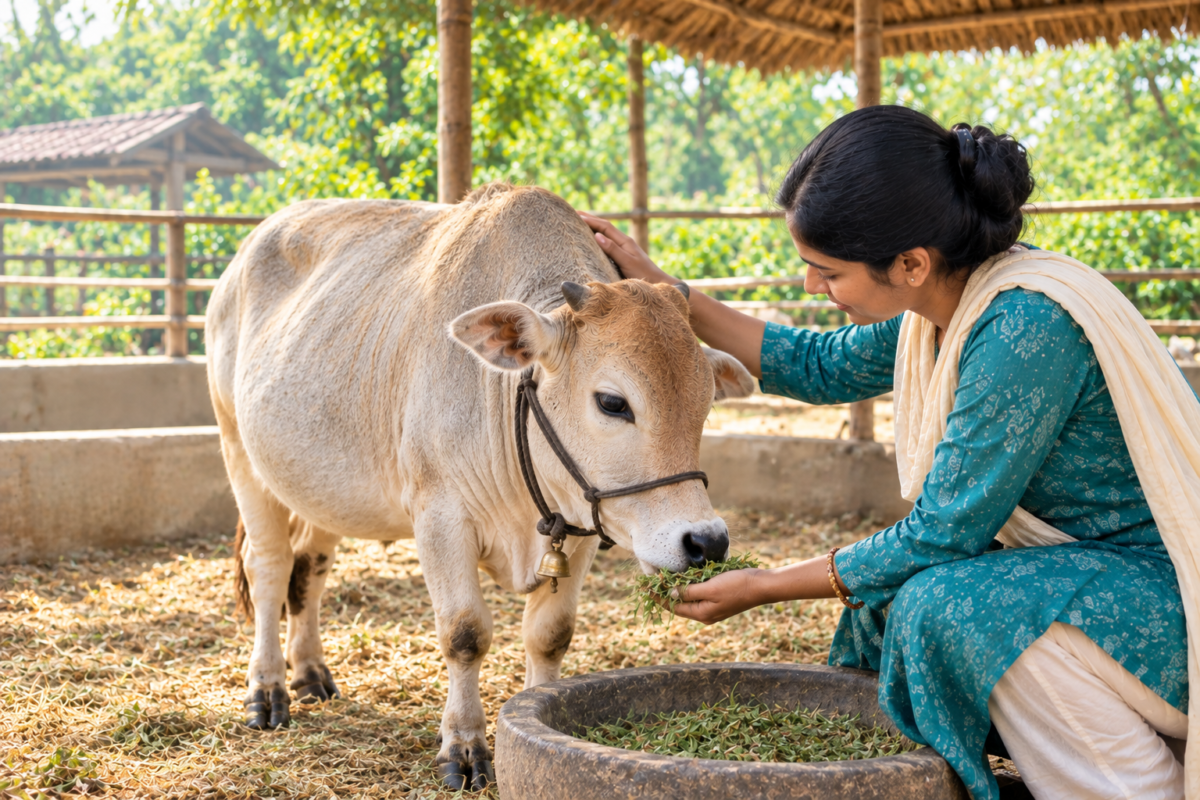
Always keep fresh water handy for your cows. Proper hydration helps with their digestion and milk yield.
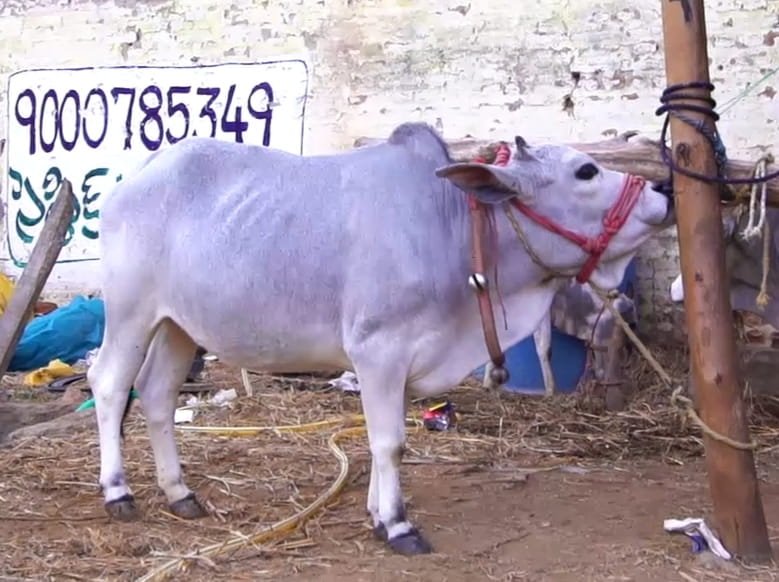
Punganur Cow

Give Her More Than Just a Good Diet

A healthy Punganur cow needs more than nutritious feed. Clean surroundings, comfortable shelter, regular health checks, and loving care all matter.

Thinking about Punganur cow adoption?

Give a Punganur cow a safe place to call home and provide her with nutritious food, fresh water, proper veterinary care, and plenty of love.

Because when you care for a Punganur cow, you’re not just providing a home you’re giving her a healthier, happier life.

References Link: https://epubs.icar.org.in/index.php/IJAN/article/view/138016
How Seasons Affect Serum Enzymes in Punganur Breeds?

India has various climates, which have influenced the development of different indigenous cattle breeds through time. The Punganur cow from the state of Andhra Pradesh in India is one such example of a unique and indigenous breed, making Punganur breeds important to understand and preserve

However, seasonal variations may affect the internal processes of the organism’s body. There are ways through which scientists can learn more about these seasonal variations. They can do this through the analysis of serum enzymes.

Why Study Serum Enzymes in Punganur Breeds?

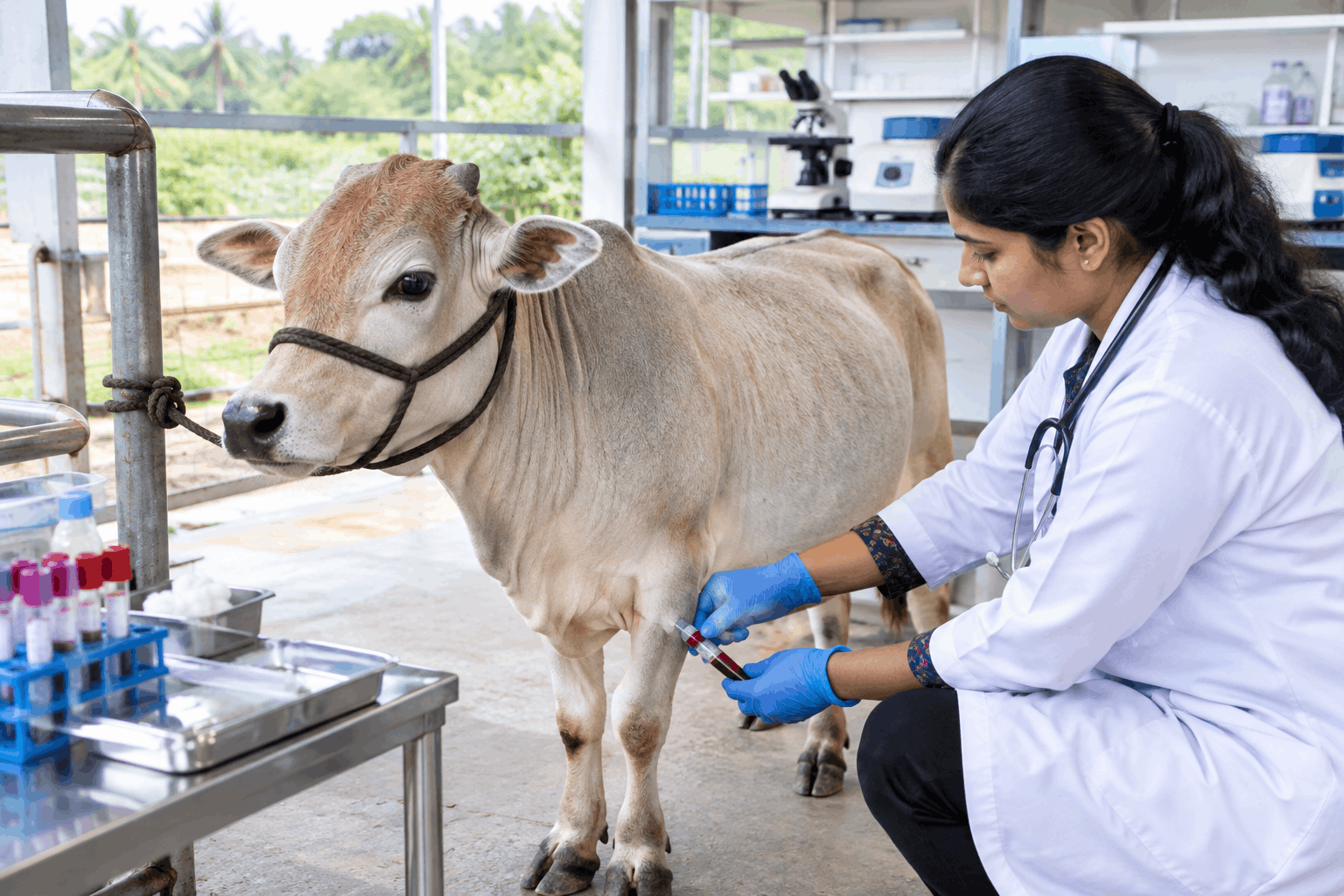
Blood biochemical analysis may be used by scientists to determine the health, nutrition, and physiological state of animals. Some of the enzymes that may be tested through biochemical studies include AST, ALT, ALP, and GGT.

A study was done on 60 healthy-looking Punganur cattle, comprising 30 males and 30 females, in summer, monsoon, and winter seasons.

The study observed that:

  • Summer had the highest THI, which shows that heat stress was high.
  • Activity of AST was high in summer compared to winter.
  • Levels of ALT were also high in summer compared to winter.
  • Activity of ALP was high in summer compared to winter.
  • GGT showed no significant change in the three seasons.
  • Similar seasonal variations were observed in both males and females.

What Do These Changes Tell Us?

Results indicate that the environment has a role to play in affecting serum enzyme activities in Punganur cattle. This is indicated by the high levels of AST, ALT, and ALP seen during the hot season.

Significantly, it is highlighted that it is necessary to have breed- and environment-based references and not just use the data generated from different environmental conditions.

Protecting the Punganur Breed

Punganur cattle are an invaluable genetic resource in southern India. Endangering the existence of Punganur cattle would mean endangering not just an animal species, but an invaluable aspect of India’s agricultural heritage as well.

Punganur Breeds

How Can We Give Punganur Breeds a Safe Future?

You can be a part of Punganur cow preservation by adopting the cows in a responsible manner. Adopting a Punganur cow would help give this animal protection, good nutrition, proper veterinary care, and overall daily maintenance.

Adopt your Punganur cow through Minicow and be a part of preserving this rare indigenous breed.

One adoption can help preserve a legacy for generations to come.

References Link: https://livestockscience.in/wp-content/uploads/Punganur-cattlef.pdf

Why Does India’s Tiny Punganur Cattle Have Such Big Benefits?

Why is a little cow so precious? The Punganur Cattle Breed is a small, versatile native breed from Andhra Pradesh, India. Known for its unique milk qualities and adaptability, it remains valuable to small farmers and India’s agricultural heritage.

What Are the Benefits of Punganur Cattle?

The small size and traditional adaptability of the breed provide several practical benefits, especially for small and marginal farmers.

The following are key benefits of Punganur cattle:

Easy to keep in small herds: 

  • Can be kept in small herds without much trouble.
  • Body size is a factor that may reduce feed requirements – a smaller body size will have fewer maintenance requirements than a large body size.
  • Traditionally adapted to local conditions of Andhra Pradesh.

Health Cow

  • It can be useful for small-scale farmers with limited land resources.
  • Punganur cow milk is known for its high fat content of around 5%, though the level varies with the cow’s health and diet.
  • Protection of the native genetic pool will assist in preserving precious livestock diversity in India.

It isn’t necessary to speak of Punganur milk as miraculous, but one thing is certain it has more fat compared to the milk of other breeds.

Why Is This Breed So Rare?

The cattle population of Punganur cattle has declined over the years due to a shift in farming systems, crossbreeding, etc. This is particularly significant for the conservation effort. Conserving the breed is important to maintain genetic diversity that may be beneficial in the development of other livestock breeds in the future.

Healthy populations of this unique native breed can be maintained through conservation programs, genetic resource preservation, and breeding programs.

Can This Breed Support Sustainable Farming?

Can Punganur cattle play a role in sustainable farming? Potentially, yes. They are interesting for small-scale and low-input farming because of their compact size and local adaptability and suitability.

Punganur cow

They are not meant to be used instead of all breeds of cattle but rather as an indigenous specialized option, which may have characteristics that fit certain types of farming.

Why Is the Punganur Cattle Small but Valuable?

Although the Punganur cow is of small size, it holds great significance to the agricultural tradition of India. The uniqueness of this breed lies in its physical attributes, adaptability, peculiarities in milk, and genetics.

How to Care for an Adopted Cow

Thinking about purchasing a Punganur cow? Use a reliable site such as theminicow to ensure you can properly care for, responsibly own, and help preserve this endangered native breed.

Give a cow a safe and caring home with theminicow and adopt a Punganur cow today.

References Link: Punganur Cow Benefits

What Mini Cow Health Problems Should You Never Ignore?

It might look small, cute, and adorable, but please do not be deceived by its looks. Mini cow health can be affected by several issues, and it is important to watch out for certain warning signs that may be life-threatening. The first step towards ensuring good health of your cattle would be to know these signs.

1. Loss of Appetite

Cows naturally dedicate a considerable portion of their daily routine to feeding or grazing. Should your mini cow stop feeding, reduce its feeding intake, or not show interest in its preferred feed, be wary.

There are several causes for alteration in appetite, which include digestion, illness, pain, oral problems, and more.

Watch for:

  • Suddenly refuses food 
  • Decreased grazing 
  • Trouble chewing 
  • Salivation or odd mouth activity 
  • Loss of weight

2. Bloating and Digestive Problems

Digestive issues can appear rather quickly in cattle. Signs such as bloating, pain, distress, or breathing difficulties can point towards an episode of bloat.

Some possible digestive issues can also be diarrhea, constipation, or abnormal poop.

Cow Digestive Problems

Should your mini-cow show an enlargement of its belly, particularly on the left side, consult your vet immediately.

3. Hoof and Leg Problems

Mini cows will still require regular hoof maintenance. Hooves that are excessively long, cracked, diseased, or sore could hinder their ability to walk.

Look for:

  • Lameness or reluctance to walk
  • Swelling of legs or joints
  • Weight-bearing abnormalities
  • Hoof overgrowth or damage
  • Requiring rest more often

Proper monitoring and trimming of the hooves will help to avoid difficulties.

4. Respiratory Problems

Though coughing once in a while might not indicate any trouble, coughing continuously does suggest some concern.

Warning signs include:

  • Rapid or labored breathing
  • Discharge from the nose
  • Coughing
  • Fever
  • Weakness or fatigue

Respiratory disease can spread among cattle, so early veterinary assessment is important.

5. Parasites and Skin Problems

Parasites can cause problems for a mini cow in terms of its health status and even growth rates. Some symptoms may be weight loss, diarrhea, an unhealthy coat, excessive scratching, or the presence of parasites.

Mini Cow Leg Problems

You can consult a veterinarian for a parasite control program that will suit the age of your cow and other environmental factors.

6. When to Call a Veterinarian

In case you face any problem related to your mini cow, like breathing difficulties, fainting, inability to stand up, bloat, injuries, or anything else, then you must contact a vet immediately.

Final Thought

Mini Cow cannot tell you that she is in pain, but changes in eating habits, activity levels, behavior, respiration, droppings, and physical appearance can reveal a lot. You should take time each day to observe your cow. Spotting symptoms early leads to faster treatment and better recovery.


References Link: https://www.researchgate.net/publication/228971395_Miniature_Cattle_For_Real_For_Pets_For_Production

Is Punganur Cow Nutrition Different From Other Desi Breeds?

Punganur cow nutrition is very important for ensuring good health and increased production in this particular native breed. The Punganur breed of cattle is one of the smallest breeds of indigenous cows in India. Punganur cows have become famous among farmers due to their small size and peculiarities. Knowledge about the nutrition of the Punganur cow, including its mineral nutrition, will help avoid deficiencies and ensure good health.

Answer to this query: Punganur cows are not any more fragile but require special care about mineral nutrition due to their small body size.

Understanding Punganur Cow Nutrition and Mineral Requirements

It is very much required to maintain good health, immune system, reproduction, lactation, and bone development in cows. The minerals such as calcium, phosphorus, magnesium, zinc, copper, selenium, and salt are very much required by Punganur cows.

However, due to the tiny body structure, even minor issues in terms of nutrition become apparent at a quicker pace than in larger desi breeds.

Punganur Cow Nutrition

Why Punganur Cow Nutrition Requires Balanced Minerals

The Punganur cattle have adapted to withstand harsh conditions, but adequate care should be provided for their survival in controlled conditions.

Some reasons mineral management is important include:

  • Small body size: This trait makes their mineral stores smaller compared to bigger breeds due to small body weight.
  • Sensitivity to food and mineral intake: Changes in the quality of food intake can easily impact their health.
  • Reproductive performance: Minerals ensure proper breeding cycles and good quality calves.
  • Bone and muscle formation: These minerals are necessary for maintaining their dense skeleton.
  • Boosts Immunity: Zinc and selenium strengthen immunity and improve disease resistance.

Common Signs of Mineral Deficiency in Punganur Cows

Signs that the owner should look out for include:

  • Decreased appetite or poor body condition
  • Dull fur
  • Weakness
  • Delay in estrus cycles or problems related to reproduction
  • Decreased milk production
  • Licking of soil or other things excessively (indicating a mineral deficiency)

How Punganur Cow Nutrition Compares With Other Desi Breeds

Most of the native breeds such as the Gir, Sahiwal, Ongole, and Red Sindhi are well-adapted to the climate and agricultural systems of India. Similarly, the Punganur cattle are adapted, but the small size of the body calls for some nutritional issues.

A balanced diet should include:

  • Good-quality green forage and dry forage
  • Access to clean drinking water always
  • Natural minerals
  • Salt requirement
  • Veterinary advice always when necessary

Healthy Punganur cow

Supporting Native Breeds Through Better Care

Preservation of breeds such as the Punganur cows entails much more than genetic preservation. The cows need to be fed well to ensure that they remain healthy, fertile, productive, and unique in all respects.

Conclusion

Punganur cow nutrition is vital in ensuring proper health and immunity, among other things. Though the Punganur cows are not more delicate than other desi varieties, it is important to feed them a balanced diet with minerals to ensure that they remain fit and healthy.

Mini Cow Bringing Native Cattle Closer to You

Mini Cow believes in the preservation of these unique breeds only when their needs are known. From breeding responsibly to being aware of the care of these native breeds of cattle, we aim to encourage people to get closer to the native breeds of India.

Learn about the Punganur cattle and support native cattle conservation at Mini Cow. 🌿🐄

Why Is Punganur Cow the Best Choice for Farming Today?

The Growing Demand for Miniature Cows

Miniature cows are growing in popularity among farmers, animal lovers, and hobbyists. Their compact size, gentle temperament, and lower maintenance requirements make them an excellent choice for people with limited land or those looking for sustainable livestock. In India, the Punganur cow is one of the smallest indigenous breeds among the miniature cattle breeds. 

Minis are gaining popularity globally as dairy animals, with organic farming, and even as pets.

Punganur cow

What Makes Miniature Cows Special?

Miniature cows offer several advantages over regular-sized cattle, making them ideal for small farms and households.

Key Benefits of Miniature Cows
  • Take up less space than conventional cattle breeds.
  • Consume less food and water.
  • Can be raised on a small scale.
  • Provide wholesome milk with high-fat content.
  • Incur lesser costs of management.
  • Best suited for green and sustainable farming systems.

Why Is the Punganur Cow So Popular?

The Punganur cow is a rare indigenous cattle breed native to Andhra Pradesh, India, and is renowned for its compact size and unique characteristics. They are known to be some of the shortest cattle breeds in the world, but are productive at the same time.

Unique Features of the Punganur Cow
  • It usually has an average height of 70 to 90 cm.
  • An adult weighs between 115 and 200 kg.
  • Milk is very nutritious with high-fat content.
  • It is highly adaptable to dry and warm weather.
  • The feed requirement is low but healthy.
  • It is known for its strong immunity and long lifespan.

Punganuru breed

Why Farmers Prefer Punganur Cows

Small farmers prefer Punganur cattle as these are economical animals to keep for livestock. The cost of feeding them is low, and they produce milk very efficiently, which makes it very profitable to raise these cattle. Their dung provides good manure for organic farming.

Uses of Punganur Cows
  • Milk production at home.
  • Organic agriculture and composting.
  • Breeding and preservation programs.
  • Educational farms and petting zoos.
  • Small-scale commercial dairies.
  • Eco-tourism and farm tourism.

The Future of Miniature Cow Farming

The increasing acceptance of sustainable agriculture has led to the belief that miniature cows will play an increasingly important role in modern agriculture. This is because they can live on very little while producing milk and manure.

Final Thoughts

The small size of Punganur miniature cows makes them cost-effective and sustainable. Additionally, they are gentle, easy to manage, and adaptable. As a result, they are an excellent choice for both professional farmers and beginners. The more knowledge about native animals becomes available, the more popular miniature cows will become.

Looking for a Healthy Mini Cow? Contact Us Today!

Buy healthy Miniature Cows and authentic Punganur Cows with confidence. Whether you’re starting a dairy farm, embracing organic farming, or seeking a friendly pet, we have the perfect cow for you.

Reach out to us today for any information related to the availability and prices of mini cows!