

Is Your Mini Cow Showing Signs of Cow Urinary Problems?
If you notice that your miniature cow is urinating more or less frequently than normal, or is in discomfort whilst urinating, it may be an indication of an issue. As with all animals, miniature cows can suffer from urinary issues. If you notice any issues within your miniature cow’s urinary system, it is important to seek veterinary attention.
Gaining insight into your mini cow’s usual urination behavior will allow you to identify abnormal situations more quickly. What are the signs to pay attention to, and when should you be worried? Let’s discover.
What Are the Normal Urination Habits of a Mini Cow?
A healthy mini cow will not strain too hard to urinate, nor show signs of discomfort. But the frequency of urination may depend on age, food, intake of water, climate, exercise, and general condition.
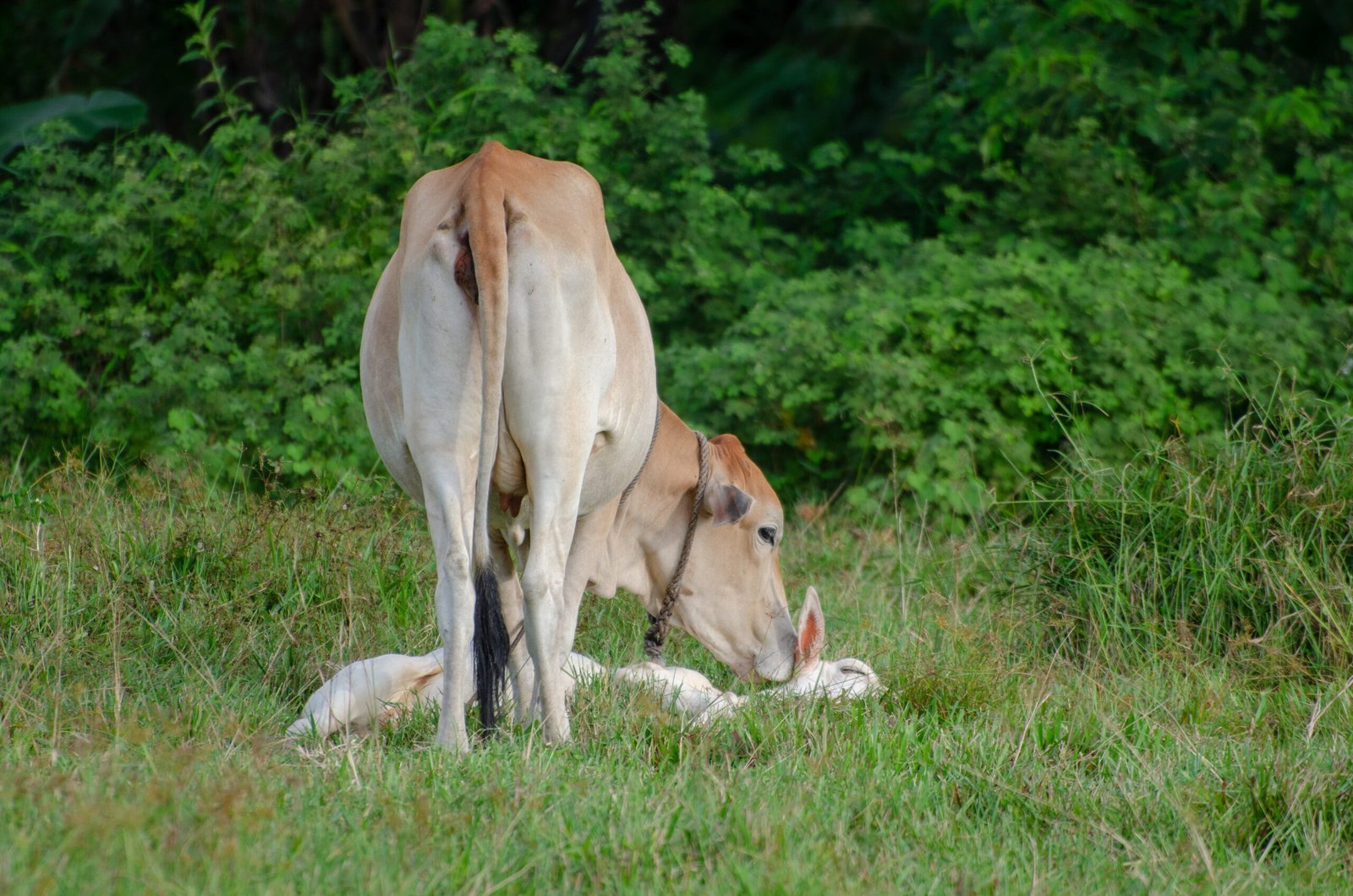
You don’t need to pay attention to the frequency, you should pay attention to the normal urination of your mini cow! Check the condition of the urine and look for comfort on the part of your animal when urinating.
What Urinary Problems Can Affect Mini Cows?
Mini cows may have various urinary problems. Symptoms can include but are not limited to the following:
- Cattle tend to have urinations: Your mini cow may be urinating more frequently than normal.
- Straining to pass urine: This animal may be straining when passing urine or attempting to pass urine.
- Urinate with minimal production: Your animal might dribble when trying to urinate.
- Unusual urine: If your urine has changed colour in a way that is not normal, it could be an issue with your health.
- Behavioural symptoms: Restlessness, repeated movements and posture changes indicate pain in the animal.
These signs are not an exclusive indicator of specific diseases. Your mini cow needs to be seen by a veterinarian to determine the cause.
What Causes Cow Urinary Problems in Mini Cows?
Several factors can contribute to Cow Urinary Problems in miniature cattle, including insufficient water intake, dietary changes, urinary tract infections, and urinary stones.
Cases in male cattle are specifically problematic when it comes to the issue of urinary obstruction as a result of kidney stones, which may leave them unable to urinate altogether.
Hence, repeated attempts to urinate need to be given sufficient attention if there is an absence of urine being produced.
How Can You Prevent Cow Urinary Problems?
Good daily care can help support your mini cow’s overall health and make unusual changes easier to notice.
Here are a few helpful practices:
- Provide clean drinking water: Ensure fresh water is always available.
- Maintain a balanced diet: Feed appropriate forage and a veterinarian-recommended diet.
- Observe daily habits: Notice changes in urination frequency, behaviour, and appetite.
- Keep the living area clean: Maintain a hygienic and comfortable environment.
- Schedule regular veterinary check-ups: Professional examinations can help identify health concerns early.
When Should You Contact a Veterinarian?
Consult a veterinarian if your mini cow strains to urinate repeatedly, has discomfort and/or blood in the urine, or exhibits abnormal urination behaviors.
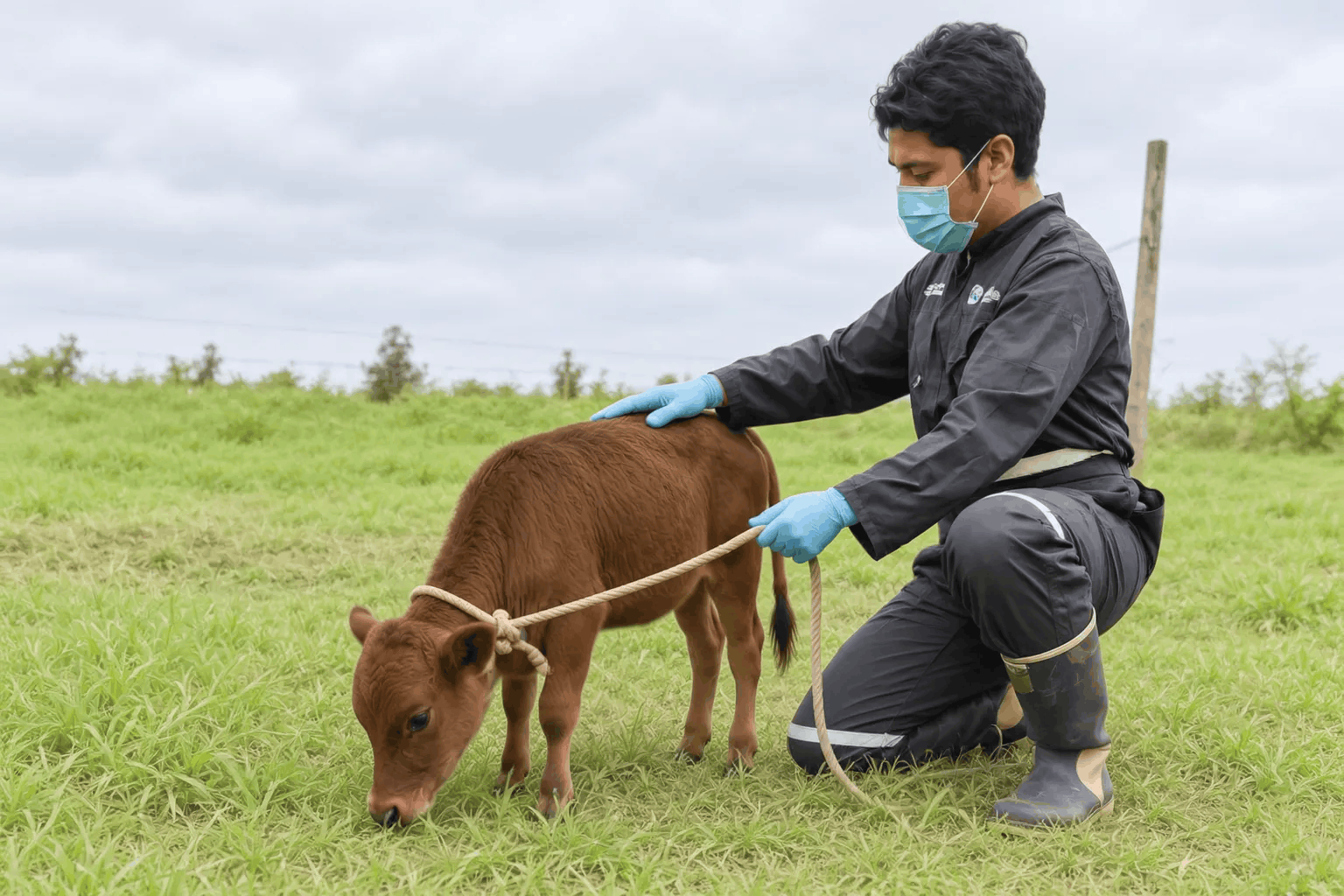
Note: If your mini cow is trying to pee repeatedly but failing to do so, you should take her to the veterinarian’s office for emergency treatment – it’s important. Never wait for the symptoms to go away or treat it at home without help.
A Little Observation Can Make a Big Difference!
Although the mini cow cannot communicate its feelings, you can still use its behavior to glean some insight into its state of health. Continuously monitor the normal behavior of your cow, ensuring that it eats adequately and gets all required medical attention without delay.
Pay attention to any changes in the urination pattern of your mini cow. Properly taken care of by the vet, the animal will be kept in good shape.
References Link: https://www.researchgate.net/publication/260478539_Urinary_tract_infections_of_small_ruminants