

How to Recognise Cow Pregnancy Problems and Warning Signs?
Cow pregnancy is an important milestone in a cow’s life, but proper care is crucial for the well-being of both the mother and her calf. While most of the cows undergo a normal pregnancy, there are those who suffer from some challenges which need veterinary assistance. Early detection of these symptoms will ensure the safety of the mother and baby.
Common Cow Pregnancy Problems and Their Signs
Cows can display a variety of abnormal signs that suggest pregnancy problems. Although these irregularities should not always be a cause for concern, owners should always seek to determine the cause of such a state.
One of the warning signs is loss of appetite. A cow that stops feeding and drinking and is inactive needs to be examined. Apart from loss of appetite, some other signs that indicate the need for medical attention include vomiting, high temperature, lethargy, abdominal pain, and abnormal vaginal discharge.
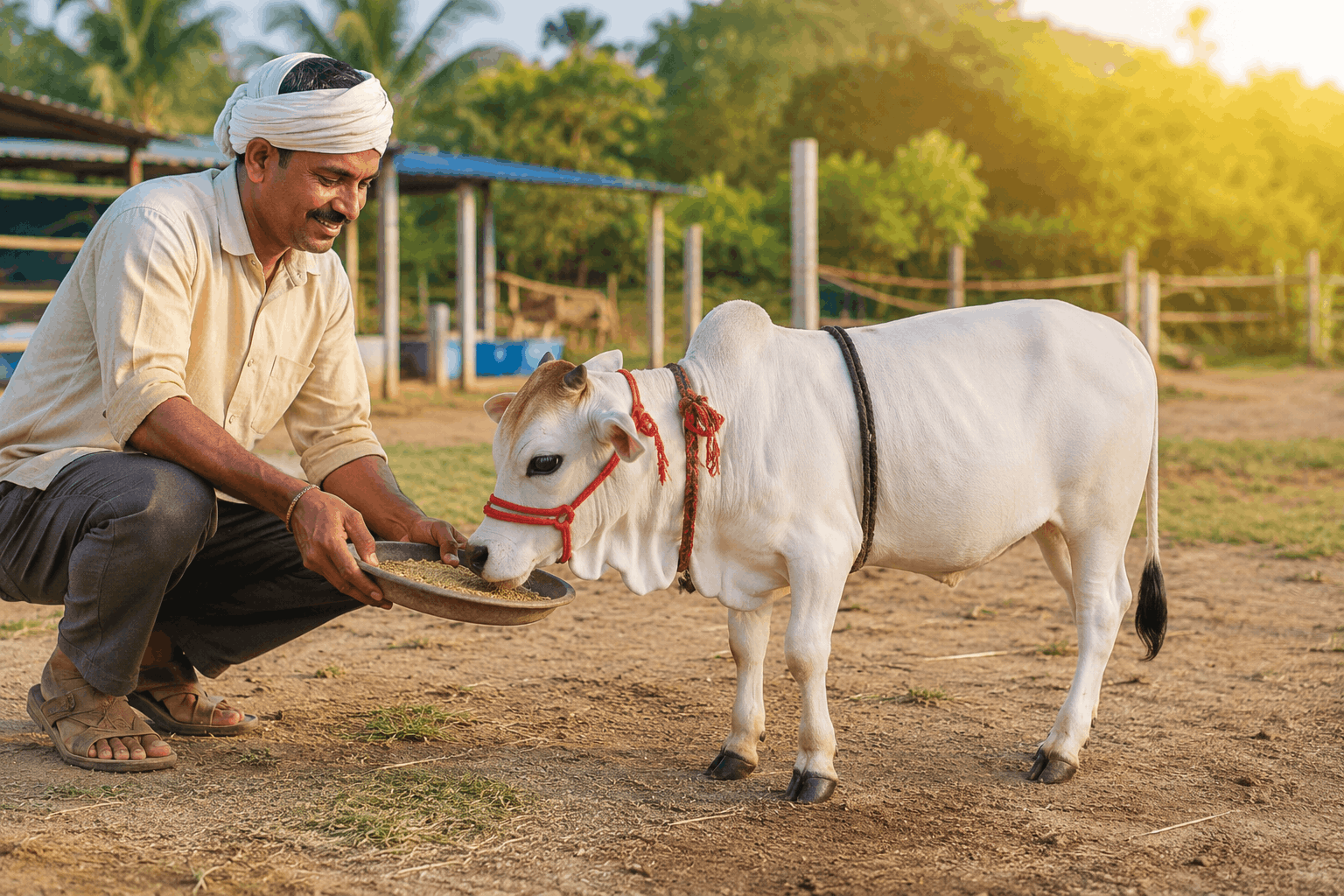
Bleeding or foul discharge during pregnancy can be a sign of a problem. Also, cows showing signs of labour prematurely or during birth should get a vet’s help.
Warning Signs to Watch For
Keep a daily eye on your pregnant cow for any changes in her condition or behavior. Watch out for these warning signs:
- Loss of appetite: Turning down feed or eating much less than normal.
- Abnormal Discharge: Discharge that has blood in it and has an unpleasant odor.
- Weakness/Lethargy: Unable to stand up, decreased physical activity, or feeling tired.
- Symptoms of premature labor: Straining or labor symptoms before the expected date of parturition.
- Difficulty in Calving: Very strong uterine contractions without delivery of the fetus.
- Potential abortion: Unexpected discharge, aborted fetus expelled, or abortion symptoms.
These symptoms do not always mean a pregnancy complication, but they warrant prompt veterinary assessment.
How to Maintain a Healthy Cow Pregnancy
Good nutrition, clean water, proper housing, and regular vet visits all help a cow stay healthy during pregnancy. Feed her a balanced diet and avoid sudden changes in her food.
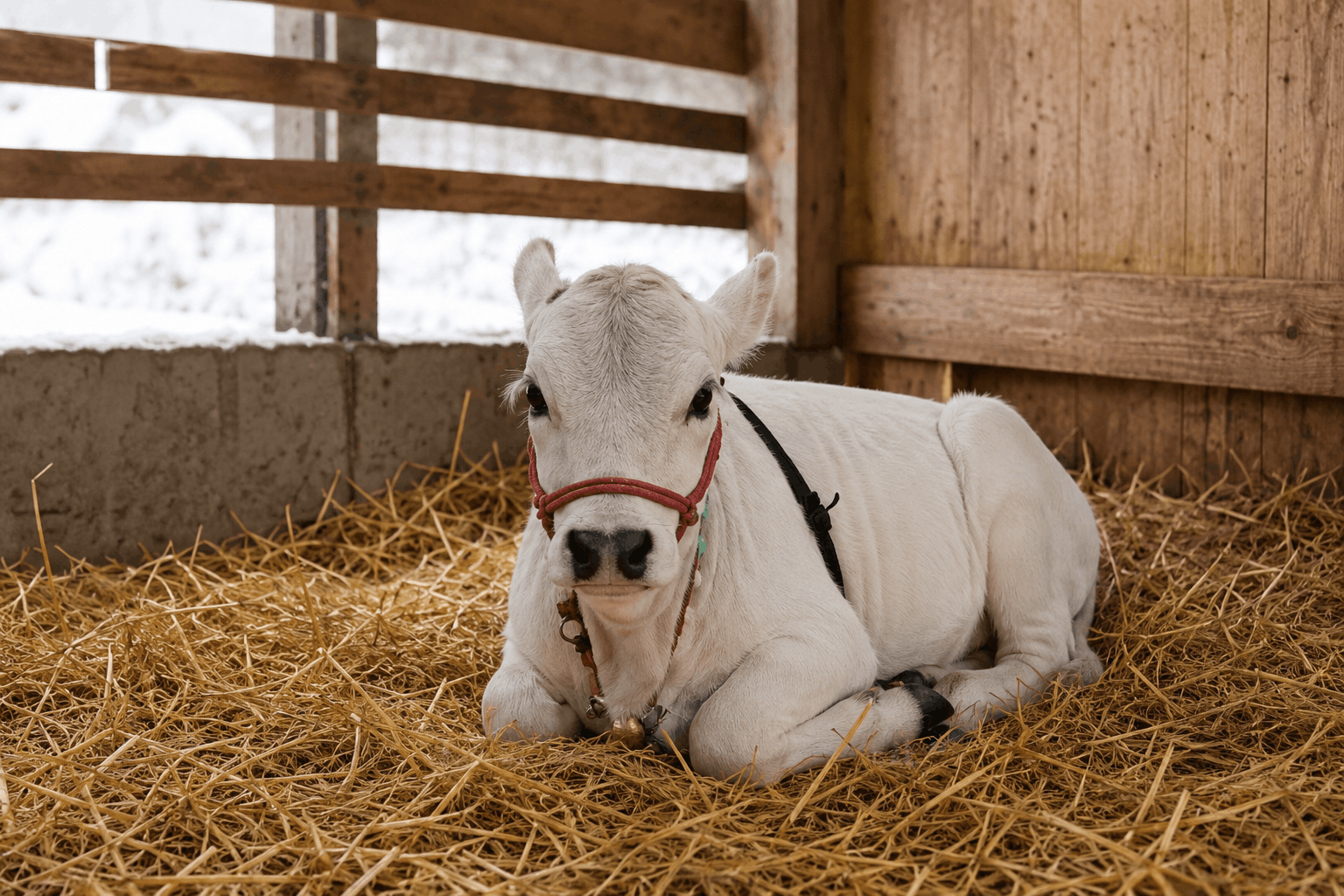
Her resting area should be dry, clean, and roomy enough so she’s comfortable. Keep stress low and always handle her gently this makes a big difference for her health. Have a vet confirm the pregnancy, check for any illnesses, and offer treatments if needed.
If you see signs like bleeding, serious weakness, early labor, or trouble delivering, call a vet right away. Don’t try to treat these issues on your own or force the calf out yourself. Let a professional handle it.
Give Your Mini Cow the Care She Deserves with MiniCow
The expecting cows need extra attention, feeding, and pampering throughout the period of pregnancy. Taking the necessary precautions by monitoring their health and knowing when there is danger can help you keep both your cow and her baby safe.
We treat all the cows here at MiniCow as important and deserving of our efforts. Monitor her health status and visit a veterinarian when something goes wrong. Healthy cows usually deliver their babies in good health.
References Link: https://ndpublisher.in/admin/issues/JARv13n5t.pdf