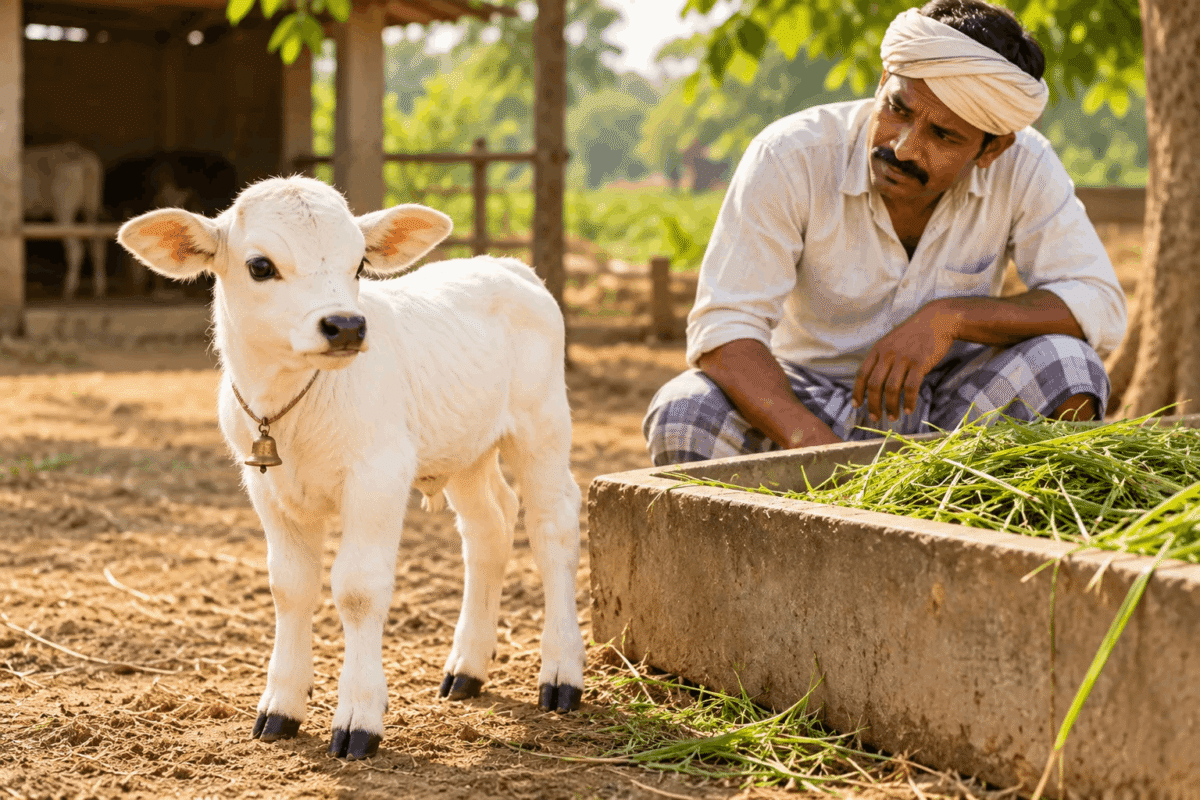
Why Is Cow Appetite Suddenly Dropping in Your Miniature Cow?

A cow that stops eating suddenly cannot just be regarded as a “picky” eater. A change in cow appetite may be the first sign of trouble. As the continuous provision of food is critical to the cow’s energy requirements, digestion, and good health, such changes should never be overlooked.

Is Your Cow Turning Away From Its Favorite Feed?

Cows generally stick to a consistent eating pattern. A drop in appetite, a change in what your cow normally eats, or spending more time off of the eating area could be a sign of trouble.

There are many reasons why a cow’s appetite would decrease. The reason might simply be bad food that is causing the problem. Other times, it could be digestive issues or some sort of infection.

Look Beyond the Feeding Trough

Decreased appetite can be serious if accompanied by other symptoms. This includes a decrease in your cow’s activity level, chewing habits, drinking habits, or the appearance of the manure. These symptoms may help you know that the decreased appetite is related to another disease.

Common things to watch for include:

  • Indigestion disorders: This is because of changes in the diet of an animal, indigestion, or bloating, which impacts its appetite.
  • Diseases: If there are any illnesses or diseases in the body of a cow, it will result in reduced feed intake.
  • Poor quality of the feed: Feed that is poor or contaminated will discourage the cow from eating.
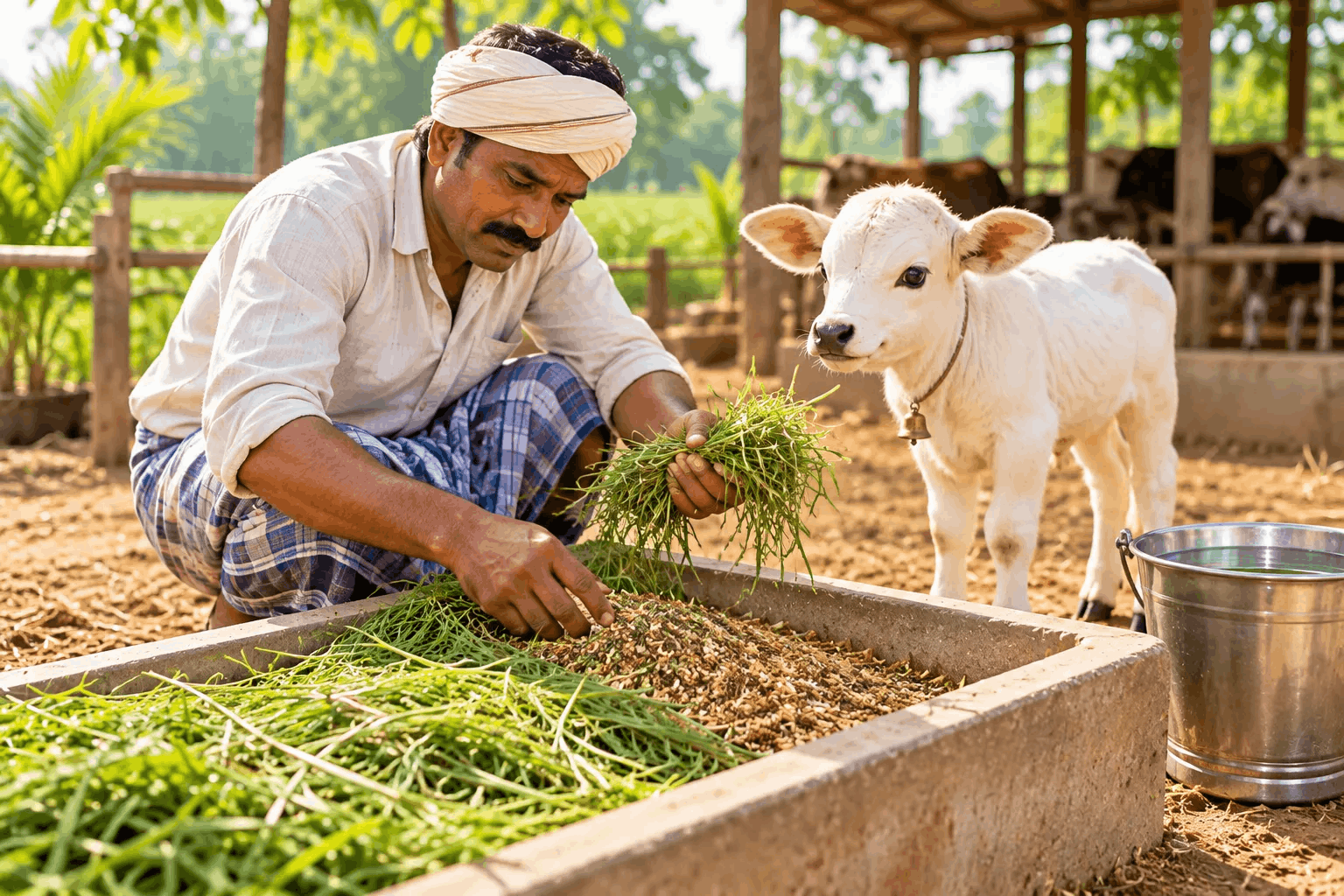
Small Cow

  • Heat stress: Heat stress will reduce feed intake, especially when the cow is not cooled or hydrated.
  • Injuries: It can affect feed intake of the cow because of leg and foot injuries.

Could the Feed Be Affecting Your Cow Appetite?

Before concluding that the cow is ill, make sure to check the feed and water. The feed should smell fresh and have been stored correctly. Fresh, clean drinking water must always be available.

Changes in diet can also cause digestive disturbances in the miniature cow. Gradual feeding of new feeds can minimize the chances of digestive disorders.

When Should You Take Action?

If a cow is not taking any food at all, looks weak, breathes with problems, has severe pain, swelling, and some other strange symptoms, then the vet should be consulted immediately.
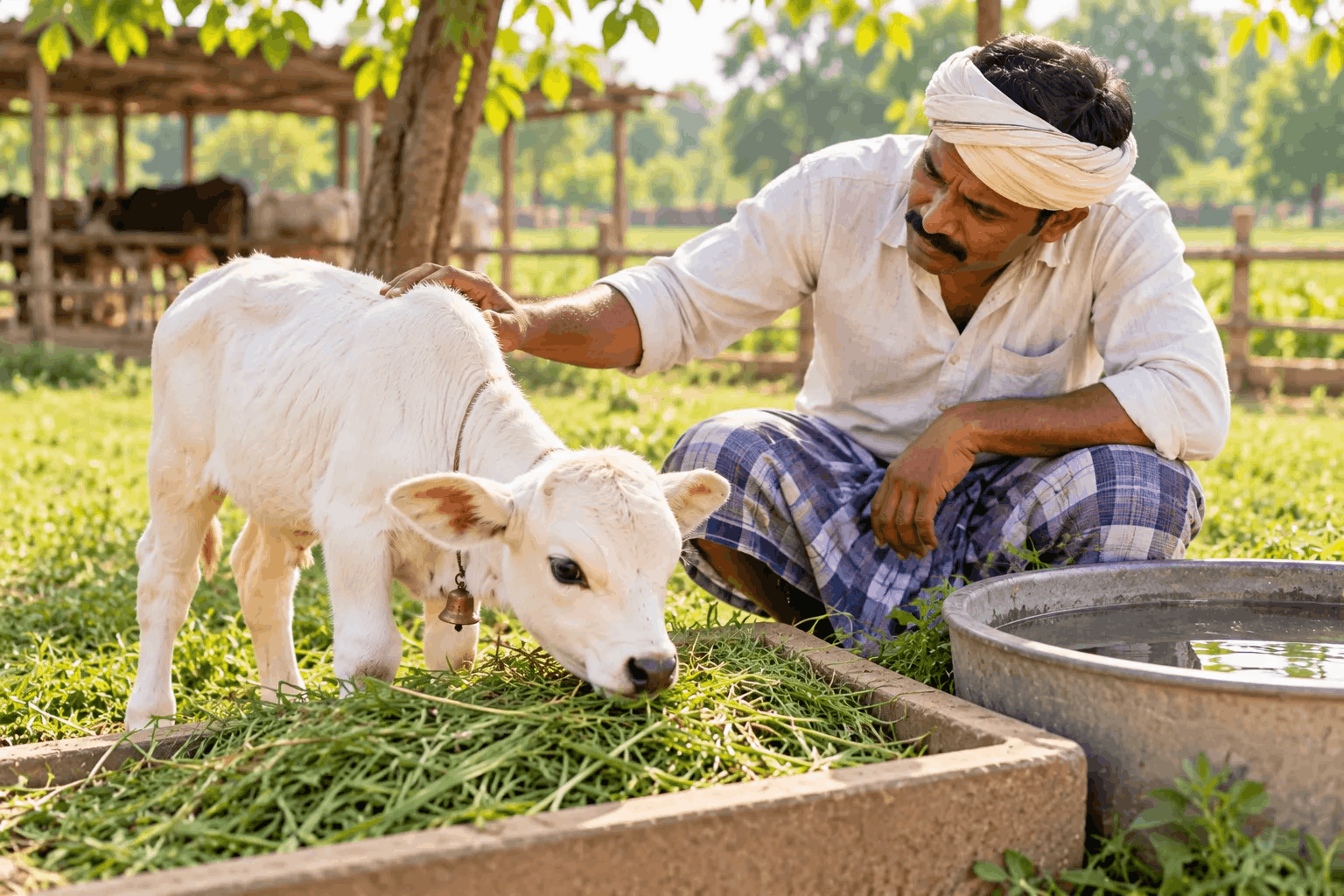
miniature cow

Do not wait until it becomes evident. Early observation may assist you in becoming aware of any changes that have taken place.

Can a Small Cow Appetite Change Be a Big Clue?

Your cow cannot express pain, but her eating patterns will have plenty to say.

Keep an eye on its eating behavior, attitude, drinking behavior, and general health status daily. In case of any sudden change, do not ignore it.

Eating behavior is one of the most basic indicators of health for a miniature cow.

References Link: https://pmc.ncbi.nlm.nih.gov/articles/PMC2202315/
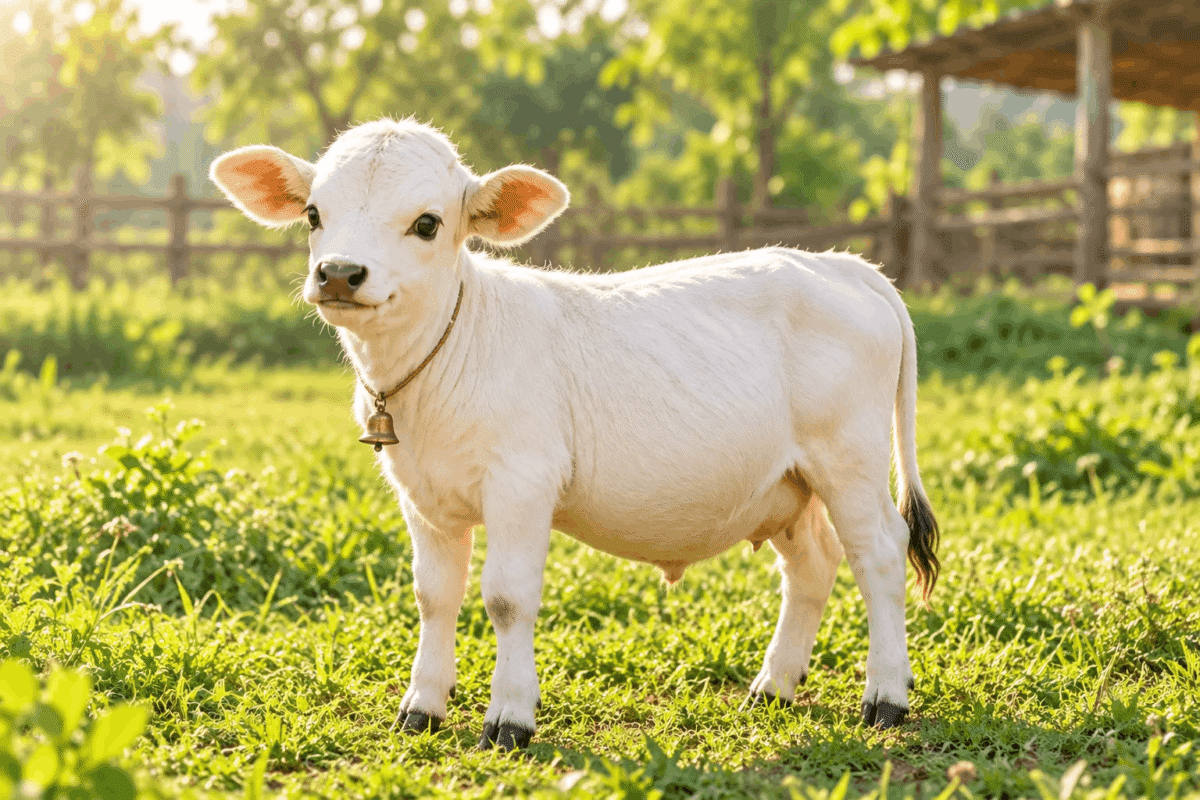
What Is the Miniature Cow Pregnancy Timeline and Process?

Although miniature cows are smaller, their miniature cow pregnancy period is remarkably the same as that of a normal-sized cow. Knowing about gestation can be very useful if you are a cow owner or are planning to breed one, in order to be able to expect a healthy calf.

How Long Are Miniature Cows Pregnant?

Miniature cows will normally have a gestational period that lasts for about 9 months, which means that it is usually between 279 and 292 days. The average is 283 days, but it may differ due to different genetics and breeds.

Although miniature cattle have a smaller body size, they reproduce in a manner similar to large cattle.

When Can Miniature Cows Be Bred?

Typically, the heifer’s mature reproductive status, age, and size are sufficient to breed a healthy heifer. Typically, cows are bred for the first time at about 14 to 15 months, producing their first calf at two years of age.

Miniature Cows

But breeding should be based on ‘The Individual’ and not age alone. A heifer can be physically matured through a veterinary examination or by a knowledgeable cattle breeder.

Signs of Miniature Cow Pregnancy

Pregnancy signs can be subtle at first, making early detection challenging. Some changes owners may notice include:

  • Loss of estrous activity: A cow may cease to exhibit normal estrous activity.
  • Changes in behaviour: Pregnant cows can be calm or less restless.
  • Physical changes: As a pregnancy progresses, the body changes its condition, and the size of the abdomen may increase in a gradual manner.
  • Vet consultation: The vet can determine through ultrasound or a pregnancy test whether or not the cow is pregnant.

Signs may be other than pregnancy and should not be relied upon as evidence of pregnancy.

Preparing for Calving

When the pregnancy is in its late stages, it is really important to prepare. Always ensure that the cow has a clean water source, good nutrition, protection from the elements, and a clean, comfortable place to give birth.

There’s also a vet who can give you advice about feeding, keeping an eye on your cow’s health, vaccinations, and what you can expect during delivery.

The size of newborn miniature calves will depend on the breed and genetics of the calf and is typically in the range of 40-60 lbs.

Caring for Mother and Calf

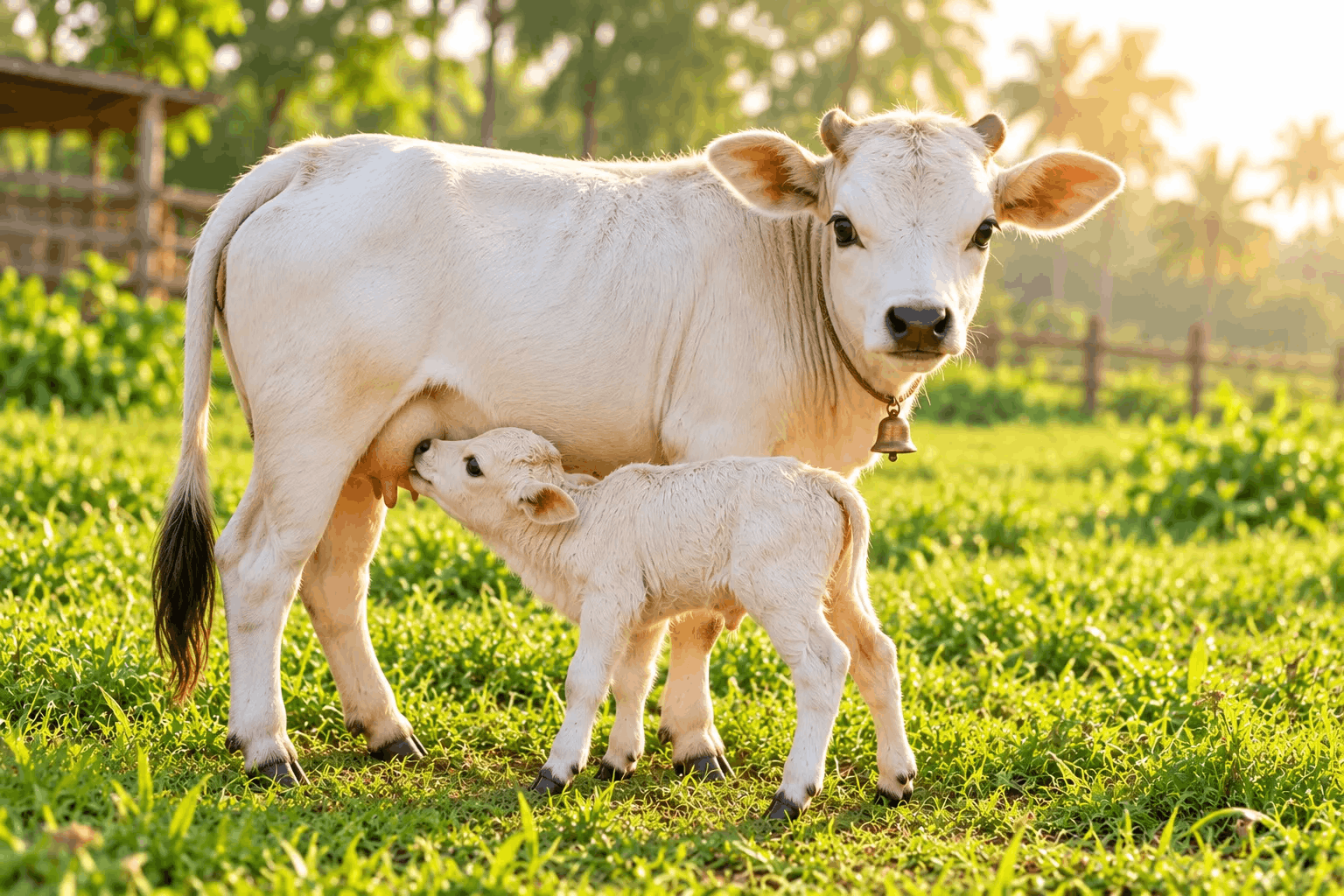
Postpartum observation for both the cow and her calf is essential. The calf must suckle adequately, while the cow must be examined for any complications.

Newborn Calf

In case of an unusual labor or any distress on the part of the cow, the services of a veterinarian must be sought immediately.

Consider Miniature Cow Adoption

Not all miniature cows have to be bred. Adoption is a great way of finding a miniature cow a good home.

Think about what it will take in terms of space, shelter, food, health care, and general maintenance before you adopt. These docile creatures require dedication, not just love.

At times, the greatest way of showing your love for miniature cows is by adopting one.

References Link: https://www.researchgate.net/publication/331894209_Features_and_status_of_miniature_indigenous_germplasm_of_cattle-Malnad_Gidda

What Challenges Come With Caring for Mini Cattle on a Farm?

Those tiny hooves and gentle eyes can make miniature cows impossible to resist. But is caring for one as easy as it looks? Though mini cattle are small in size, they have all the requirements of livestock. Hobby farmers need to know what raising them actually entails before getting one.

Mini Cattle Need More Than Just a Small Pasture

It is quite easy to presume that since it is a miniature cow, it does not require much room. This may not always be the case since mini cows also require room to move around and graze.

It is important to have a secure pasture. The use of strong fencing can reduce escape attempts. The pasture should also be free from any dangerous plants and objects.

Feeding a Miniature Cow the Right Way

Think a smaller cow means a smaller appetite? Not quite.

Even small-sized cattle need proper feeding for good health. The nutrients that they should be offered include good hay, good pasture, clean water, and minerals when necessary.

Small cattle

Overfeeding may be an issue as well, because too much high-energy feed could cause the animal to gain too much weight. The farmer should keep an eye on his or her cow’s body condition.

Weather and Shelter Can Be Challenging

Do you enjoy spending a hot day or cold night out in the elements without cover? Neither should your mini-cow.

A proper shelter is necessary to protect the cattle from harsh weather conditions. The resting area must be kept dry and comfortable. Shade and water must be available for the cattle in hot weather conditions.

Mini Cattle Healthcare Is a Major Responsibility

Regular maintenance of miniature cattle is required as well. This includes veterinary checks, vaccinations, de-worming, proper hoof care, and keeping an eye out for any sicknesses.

Farming people need to watch out for appetite changes, movements, behaviors, or appearance. It helps them deal with small issues before they become large issues.

Why Mini Cattle Need Companionship Too

Miniature cattle are highly social animals. It would not be right to keep one completely by itself, because this could mean that the social requirements of the animal are not met.

Some important responsibilities include:

  • Ensure fresh water is provided daily
  • Provision of a suitable diet and minerals
  • Securing the enclosure
  • Shade and weather protection
  • Veterinary and foot care regularly
  • Behavior, appetite, and body condition monitoring
  • Maintain cleanliness of the enclosure

Miniature Cows

The Biggest Challenge May Be Commitment

The cutest aspect of having a mini-cow is usually the easiest aspect. What is difficult is maintaining consistency in their care year-round.

The costs of feeding, fencing, housing, vetting, hoof care, and others can stack up. The owner is advised to look into the local livestock regulations before considering a miniature cow.

More importantly, the farmer should always be ready to make a lifetime commitment instead of seeing a miniature cow as just another domestic animal.

Ready for Miniature Cow Adoption?

It does not take much to fall in love with the miniature cow. Providing a good home for one requires preparation.

Miniature cows can be a good thing if you have enough space, time, money, and if you truly care for your animals. You must learn all about the cow prior to adoption, things like health, personality, background, and care.

Ready for a mini-cow to join your farm? Discover how to adopt miniature cows and start your journey in providing a loving and secure environment for one of them.

References Link: https://modernfarmer.com/2016/06/miniature-cows/

Could Small Cattle Really Transform Sustainable Farming?

Mini cows may seem strange, but these miniature breeds of cattle may offer a good answer to some of the problems facing modern cattle ranching. The mini cow, with its small size and reduced resource needs, is catching the eye of many agriculturalists.

What Makes Small Cattle Different?

Whereas normal cows are large animals, miniature cows are usually under a metre tall. The small size of their body means that they need little space and food compared to normal cows.

Many farmers have realized that several miniature cows can be kept on a piece of land that would normally accommodate a few normal cows. This may be beneficial to many farmers who have small plots of farmland.

Key potential advantages include:

  • Requires less space: The mini can be reared on smaller spaces.
  • Needs less fodder: Their small physique means that they need less fodder compared to regular cattle.

Miniature Cattle

  • Might emit low levels of methane: The small cattle could have low levels of methane emissions per animal.
  • Ideal for small-scale farmers: They could be ideal for those having smaller farms.
  • Good meat quality: Some of the mini cattle breeds are good because of their beef quality.

Could Small Cattle Be Better for the Environment?

Cattle farming is usually mentioned in the context of greenhouse gas emissions, especially methane. As miniature cattle require less feed, the proponents claim that they may offer a better way of conducting animal farming.

Miniature cows are not an end-all solution to the environmental problems in agriculture. They can have their own set of advantages, which may depend on factors like breed and feeding system.

Mini Cows Have a Long History

Even though miniature cows appear to be a new concept, small cows breeds have been around for ages. In the past, smaller animals were very helpful to farmers with limited land available.

Nowadays, there is an increasing popularity of such cattle because farmers try to experiment with different livestock models.

Interested in Mini Cow Adoption?

Miniature cows have the potential to be much more than just something interesting to look at within the agricultural sector; they can also become very intriguing pets in the right setting. If the conditions for mini cow ownership are met, you should definitely consider adopting one.

References Link:
https://www.theguardian.com/environment/2010/jul/25/miniature-cattle-environmentally-friendly-beef

Why Are People Raising Miniature Cows as Pets Instead of Livestock?

If the next animal to be a household favorite wasn’t a dog, cat, or rabbit, then what could it be? At first, it sounds like an unusual idea, but miniature cattle are subtly revolutionising the way people consider cows. In the past, the smaller breeds of cattle were reserved for farms, milk, meat, and agriculture, but these days, these super-cows are being cherished for a more unconventional reason: company.

It’s not just their size. Many of the owners consider miniature cows to be a different kind of beef on the farm, a personality-based, interaction-based, and emotional relationship that is not about productivity.

Why Are Miniature Cattle Becoming Companions?

Cattle have long been considered in an agricultural context. They were frequently associated with milk production, meat, breeding, and/or a working farm. Miniature cattle say otherwise.

Some people may wish to keep them on a hobby farm or rural property where commercial farming is not their primary focus, as they are smaller and easily seen and manipulated by the owner. Rather than the question of what this animal can produce, owners can ask themselves, “What kind of companion can this animal become?”

That shift is a part of a larger trend to retain animals as pets and not for productivity.

Why Do Miniature Cattle Appeal to Pet Owners?

Their appeal comes from several factors working together:

  • Personality: Each cow may display curiosity, sociability, calmness, and high reactivity to people they know.
  • Human interactions: Through patient handling from a young age, some will be used to being groomed, walked, and handled by humans.

Pet love

  • More compact physical size: They can appear more non-threatening due to their smaller size compared to regular cattle.
  • Lifestyle compatibility: They easily fit in the sphere of hobby farms and homesteads and small livestock farming.
  • Emotional attachment: Owners may form an emotional attachment to a cow similarly to that they would to other pets.
  • Attractive appearance: Their unique physical characteristics along with their gentle nature have also made them particularly well-loved by animal lovers.

But Is “Miniature” the Same as “Easy”?

This is where the cute image can become misleading.

A little cow is still a cow. It has grazing, nutritional, social, shelter, fencing, hoof-care, and veterinary requirements. A smaller body doesn’t take away the responsibilities of cattle ownership.

One further factor to be taken into account is companionship. Cattle are social animals and leaving one entirely alone because he/she is being treated as a “pet” may not be a suitable alternative to a group. Potential pet owners should consider all aspects of the animal’s habitat, including its cuteness factor in a backyard.

The Real Reason Behind the Trend

Perhaps the most interesting reason people choose miniature cows is not convenience at all. It is connection.

People are often separated from farms and animals by the modern way of life. For the owner, having a miniature cow can be a way to return to rural life and create a bond with an animal which is often regarded primarily as a working animal.

Miniature Cow

This is not to say that miniature cows are better than regular-sized cows. It only indicates that the function an animal can perform will vary based on how humans relate to it.

Miniature Cow for Adoption

Considering adding a tiny cow to your family? Adoption is not always about just taking a new pet it can be about providing a deserving cow with a place where it will have everything it needs. Before making a decision, find out everything you can about the cow’s character, past, diet, and living conditions.

Even though a mini cow may be small in size, the dedication will certainly not be small. Love at first sight, but do prepare yourself with information and ensure that you have the room, time, and dedication to make your new little buddy happy!


Source Link:
https://broadwayfamilyfarms.com/why-mini-cows

Can Regular Health Checks Improve Small Cow Milk Production?

Frequent health exams are essential to ensuring healthy dairy animals and steady milk yields. A cow can develop a problem, like mastitis, deficiencies, lameness, reproduction, or metabolic disease, and look healthy. Health checks for small cows can be carried out to determine these issues at an early stage and prevent further issues from occurring. The purpose of a veterinary health-management program is to minimize disease and management issues and losses to the producer.

1. Can Small Cow Health Checks Prevent Milk Production Losses?

Some problems may affect one’s health, such as appetite, digestive system, mobility, fertility, and finally milk production. Through routine checkups, it is possible to identify such problems early enough.

The veterinarian will examine:

  • The condition of the body and weight.
  • Good health and comfort of the teats and udder
  • Hooves and movement
  • Temperature and general behaviour
  • Reproductive condition
  • Symptoms of parasites or infection

Early treatment will hasten recovery and reduce the possibility of losses due to lower productivity.

Nutrition Milk

2. Increased feed conversion ratio (FCR) Higher milk yield

Nutrition is very closely linked to milk production. Dairy animals require a suitable amount of energy, protein, minerals, vitamins, water and fibre based on the stage of lactation and growth.

A health check will check body condition and may indicate nutrition-related issues at a vet visit or nutrition appointment. This can enable farmers to make appropriate changes to their feeding regimes.

3. Can Small Cow Udder Checks Improve Milk Quality?

Mastitis is a significant issue in dairy herds, as an inflammation of the udder can impact the health of the animals as well as the yield of milk. Problems can be detected earlier with regular screening and milking management.

Farmers should be mindful of:

  • A bulging or an unusually hot udder
  • Changes in milk appearance
  • Pain during milking
  • Reduced milk output
  • Poor teat condition

Routine mastitis monitoring can be integral to a successful dairy health program.

4. Reproductive Health Maintains Productivity.

Proper reproduction management can ensure cows’ productive lactation cycles. Pregnancy, reproductive issues, and possible problems that can affect the success of a breeding program can be diagnosed with a veterinary exam.

Good reproduction can also minimize unproductive delays between calvings and contribute to increased lifetime productivity.

5. Having access to health records simplifies farm management.

Individual records enable a farmer to make comparisons of health and production throughout the year.  

Useful information includes:

  • Milk production per day or period
  • Vaccination history
  • Treatments provided
  • The breeding and calving dates are as follows:
  • Feed-related observations
  • Disease history

Frequent checking of these records will show variation in performance and indicate which animals need special attention.

6. Preventive Healthcare Benefits the Entire Flock

Vaccinations are not limited to ill animals. Appropriate vaccinations, control of parasites, hygiene, feeding analysis, and monitoring of the whole herd will reduce the chance of having an outbreak of any disease.

milk production

In the preventive method, the farmer does not need to think of any disease that could infect the livestock but can focus on their health.

Conclusion

A good small cow health program can make a substantial contribution to improved animal health, disease control, reproduction and milk production. Good nutrition, udder care, prevention measures, recordkeeping and veterinary advice should be a complete package in the management of the herd. More productive animals and better long-term welfare of the animal are likely to occur if it is healthy, rather than sick.

Do you want to know more about responsible cattle care? Go to Theminicow for tips on all aspects of miniature cows, nutrition, health, grooming, and day-to-day management of cattle.

References Link:
https://www.sciencedirect.com/science/article/abs/pii/S0301622600001949

What Foods Help Miniature Cows Grow Strong and Healthy?

Nothing can compare with the sight of seeing a miniature cow having fun while grazing around a pasture full of energy and vitality. The secret to maintaining such an excellent state of health is feeding the cow the right foods to provide her with strong bones, digestion, and constant development. The role of miniature cow nutrition should be considered highly important concerning the daily requirements of this animal. Everything included in the diet of the miniature cow plays an important role.

Why Is Proper Nutrition Important for Miniature Cows?

A proper diet keeps miniature cattle in good shape, providing enough energy and good digestion. The small size of these cattle doesn’t mean that they may consume whatever food they want without nutritional planning at all.

Nutrition problems can affect a miniature cow’s energy levels, digestive function, and health. Proper feeding and health examinations can assist in maintaining your miniature cow in good health.

Miniature Cow Nutrition

What Should Miniature Cows Eat Daily?

Pasture grass is among the key components of a miniature cow’s diet. Quality grass will not only offer fiber but also ensure proper function of the cow’s rumen.

Where pasture access is limited, good quality hay may offer necessary roughage. The kind and quantity of the feed will be determined by the cow’s age, size, activity levels, and health status.

A healthy feeding routine may include:

  • Fresh grass from proper pastures
  • High-quality hay when needed
  • Fresh water for drinking
  • Cattle mineral supplements
  • Salt or mineral licks when needed
  • Extra feed in small amounts when needed

Can Miniature Cows Have Fruits and Vegetables?

In certain instances, some types of fruits and vegetables may act as treats. Fruits such as carrots and apples, among others, may provide variety in their diet.

Nevertheless, treats have to be introduced sparingly since most of the cattle’s diet should consist of forage. In any case, introduce new foods in small quantities so that you do not harm them.

Mini Cow Healthy

How Much Food Does a Miniature Cow Need?

Each miniature cow will have varying nutritional requirements. Age, body score, physical activity, pregnancy, and health status may influence the amount of feed they need.

Overeating can lead to weight gain, whereas lack of proper nutrition can impact development. Regular monitoring of body condition by owners can detect changes.

For the development of a personalized diet for your pets, it is important to refer to the veterinarian or animal nutritionist.

How Can You Support Better Mini Cow Health?

Nutrition is one aspect of responsible ownership of  Miniature Cow Nutrition. Clean water, a clean habitat, room to move around, adequate grooming, and even veterinary services all play roles in ensuring they are healthy.

A proper feeding schedule can assist your mini cow in remaining energetic, comfortable, and happy.

Thinking of welcoming a baby cow into your life? Get a mini cow that will bring love into your life and find a good home for them.🐮❤️

References Link: https://pmc.ncbi.nlm.nih.gov/articles/PMC7153313/

What Mini Cow Health Problems Should You Never Ignore?

It might look small, cute, and adorable, but please do not be deceived by its looks. Mini cow health can be affected by several issues, and it is important to watch out for certain warning signs that may be life-threatening. The first step towards ensuring good health of your cattle would be to know these signs.

1. Loss of Appetite

Cows naturally dedicate a considerable portion of their daily routine to feeding or grazing. Should your mini cow stop feeding, reduce its feeding intake, or not show interest in its preferred feed, be wary.

There are several causes for alteration in appetite, which include digestion, illness, pain, oral problems, and more.

Watch for:

  • Suddenly refuses food 
  • Decreased grazing 
  • Trouble chewing 
  • Salivation or odd mouth activity 
  • Loss of weight

2. Bloating and Digestive Problems

Digestive issues can appear rather quickly in cattle. Signs such as bloating, pain, distress, or breathing difficulties can point towards an episode of bloat.

Some possible digestive issues can also be diarrhea, constipation, or abnormal poop.

Cow Digestive Problems

Should your mini-cow show an enlargement of its belly, particularly on the left side, consult your vet immediately.

3. Hoof and Leg Problems

Mini cows will still require regular hoof maintenance. Hooves that are excessively long, cracked, diseased, or sore could hinder their ability to walk.

Look for:

  • Lameness or reluctance to walk
  • Swelling of legs or joints
  • Weight-bearing abnormalities
  • Hoof overgrowth or damage
  • Requiring rest more often

Proper monitoring and trimming of the hooves will help to avoid difficulties.

4. Respiratory Problems

Though coughing once in a while might not indicate any trouble, coughing continuously does suggest some concern.

Warning signs include:

  • Rapid or labored breathing
  • Discharge from the nose
  • Coughing
  • Fever
  • Weakness or fatigue

Respiratory disease can spread among cattle, so early veterinary assessment is important.

5. Parasites and Skin Problems

Parasites can cause problems for a mini cow in terms of its health status and even growth rates. Some symptoms may be weight loss, diarrhea, an unhealthy coat, excessive scratching, or the presence of parasites.

Mini Cow Leg Problems

You can consult a veterinarian for a parasite control program that will suit the age of your cow and other environmental factors.

6. When to Call a Veterinarian

In case you face any problem related to your mini cow, like breathing difficulties, fainting, inability to stand up, bloat, injuries, or anything else, then you must contact a vet immediately.

Final Thought

Mini Cow cannot tell you that she is in pain, but changes in eating habits, activity levels, behavior, respiration, droppings, and physical appearance can reveal a lot. You should take time each day to observe your cow. Spotting symptoms early leads to faster treatment and better recovery.


References Link: https://www.researchgate.net/publication/228971395_Miniature_Cattle_For_Real_For_Pets_For_Production