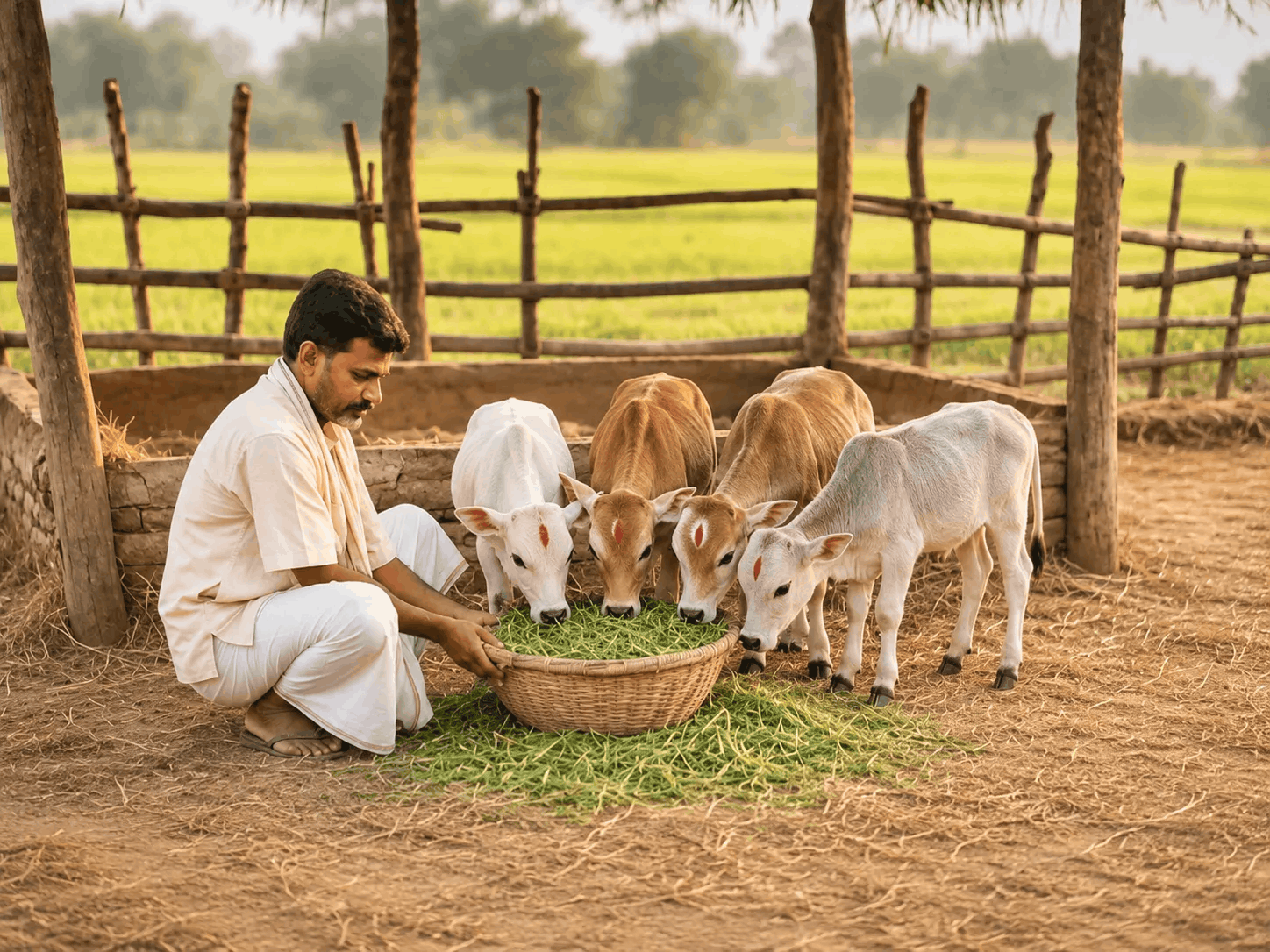
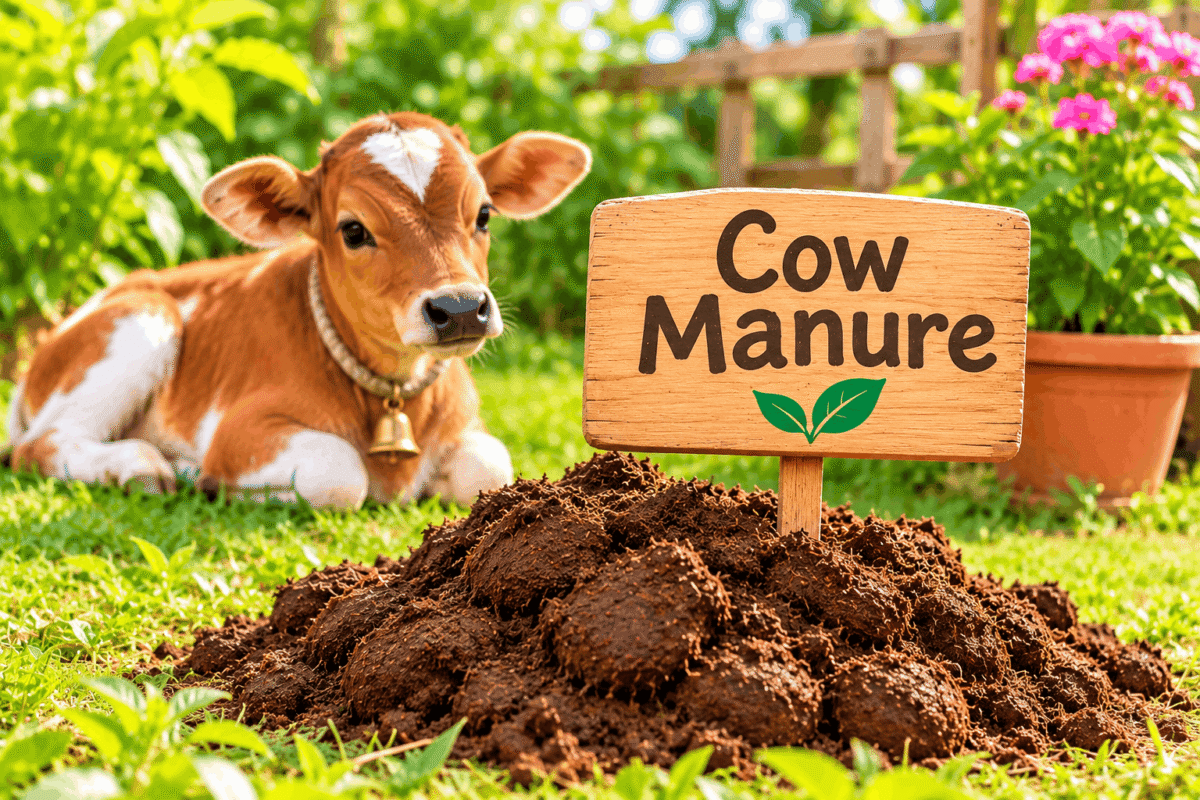
5 Unexpected Cow Manure Uses for Greener Modern Living

Do you think of villages, farms, and cattle sheds when you hear the term cow dung? Surprisingly, cow manure extends beyond rural areas and can also support modern city life. From growing plants on your balcony to creating beautiful handmade decorations, this natural resource offers several interesting uses for urban families.

Considering the increasing awareness of pollution and waste, it is likely that there is a need to rejuvenate the notion of value regarding natural resources. Here are five fascinating examples of how cow dung can be implemented in our daily life.

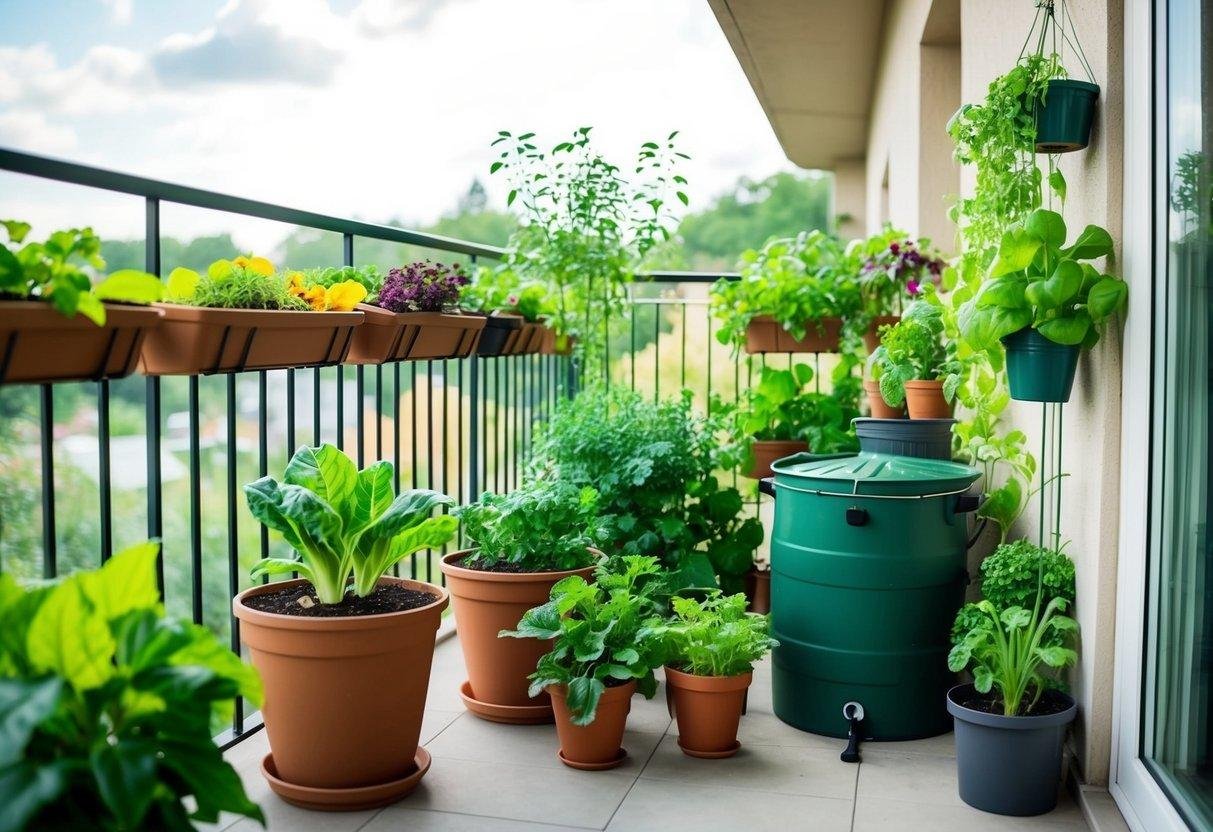
1. How Can You Create a Beautiful Balcony Garden?

Think about planting exciting flowers, spices, and vegetables on your balcony. That said, good soil is needed for healthy plants properly composted cow dung can offer nutritious matter, along with being organic.

Using well-composted cow dung in your garden soil is beneficial. It improves soil quality, provides for beneficial bacteria, and retains moisture.

For urban gardeners, it is an excellent method to recycle organic material and provide care for their plants.
2. How Can Natural Materials Make Your Home Beautiful?

Who says sustainable home decor cannot be aesthetically pleasing?

Using cow manure, artisans create diyas, decorative items, wall decorations, and ornamental pieces. Their products bring a traditional touch to modern homes.

Choosing handmade natural decorations will help support traditional artisans during Diwali and other festivities.

3. How Cow Manure Supports Sustainable Urban Living

Households in cities are eager to find easy solutions to reduce waste and be more responsible.

Cow dung can be a part of this endeavor. People can utilize the organic material as a valuable resource by processing it in a composting or biogas system, rather than letting it go to waste.

With the right technology, cow dung can turn into biogas and provide an alternative energy source. It shows how traditional natural resources can contribute to modern sustainable living.

4. Why Is Cow Dung Important in Traditional Indian Celebrations?

Although people’s lives are different from their traditional village life, the culture is still connected.

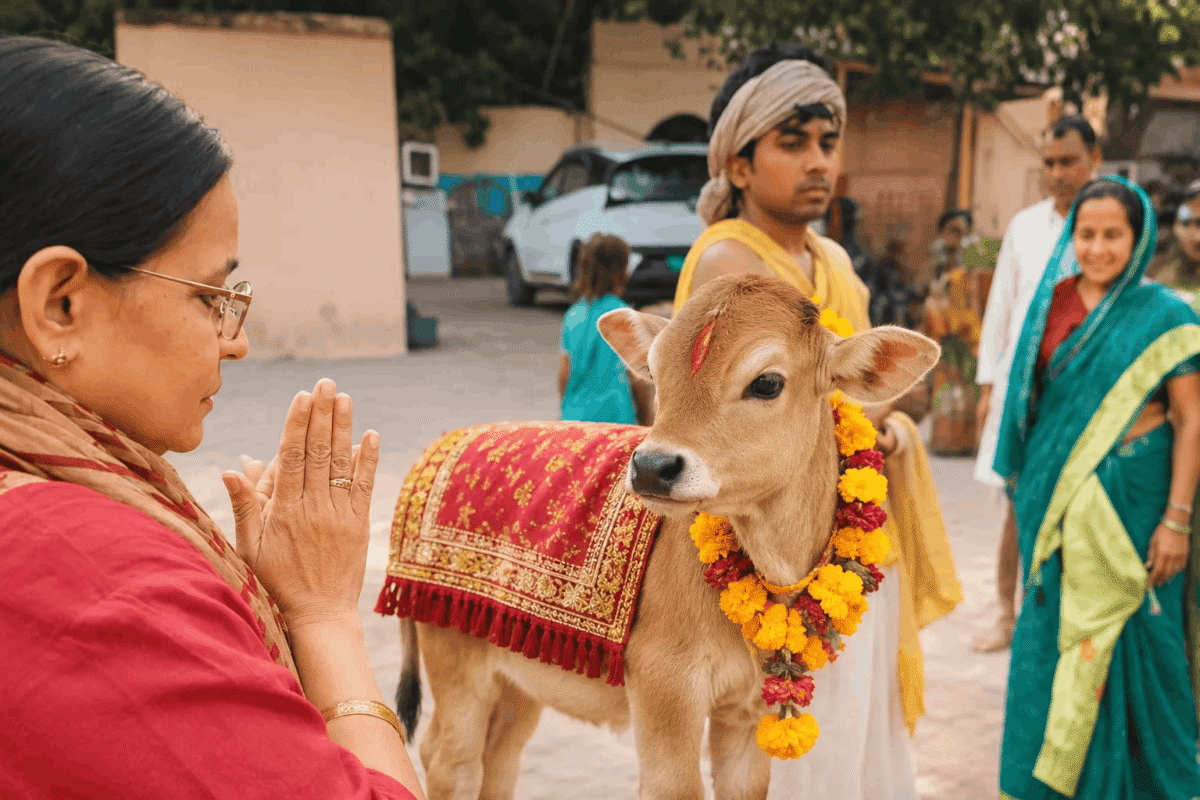
During Govardhan Puja, women in some parts of Rajasthan shape beautiful sculptures from cow dung. Moreover, they decorate them with devotion and pray for their families’ happiness and prosperity.

Indian Celebrations

All of these traditions are a reminder that even the most basic of natural materials can be filled with meaning and significance.

5. How Cow Manure Inspires a Greener Lifestyle

Being in a city means experiencing a decreased amount of animal life, farms, and nature yet, even little lifestyle changes make it possible to reconnect with nature.

Moreover, exploring cow manure can help urban families discover practical ways to support home gardening, renewable energy, and traditional craftsmanship. These simple uses also encourage people to make more environmentally conscious choices.

This understanding of the uses could enrich families in the city as they learn more about natural resources and sustainable living.

A Little Kindness Can Change a Cow’s Life

We appreciate the many benefits cows bring to our lives. However, we must also think about their well-being and provide them with proper care.

Cows should have good feed, water, shelter, and medical care. Sadly, there are numerous cows that have been abandoned and neglected and require assistance and safeguarding.

You can make a difference even if you live in a busy city or apartment! Adopting a cow from a trusted gaushala or animal welfare body. Your contribution can help provide food, shelter, and medical attention.

You don’t have to purchase a cow to demonstrate your love. At times, simply caring for it can make a difference.

Adopt a cow. Share kindness. Make a life better.
Is Your Mini Cow Showing Signs of Cow Urinary Problems?

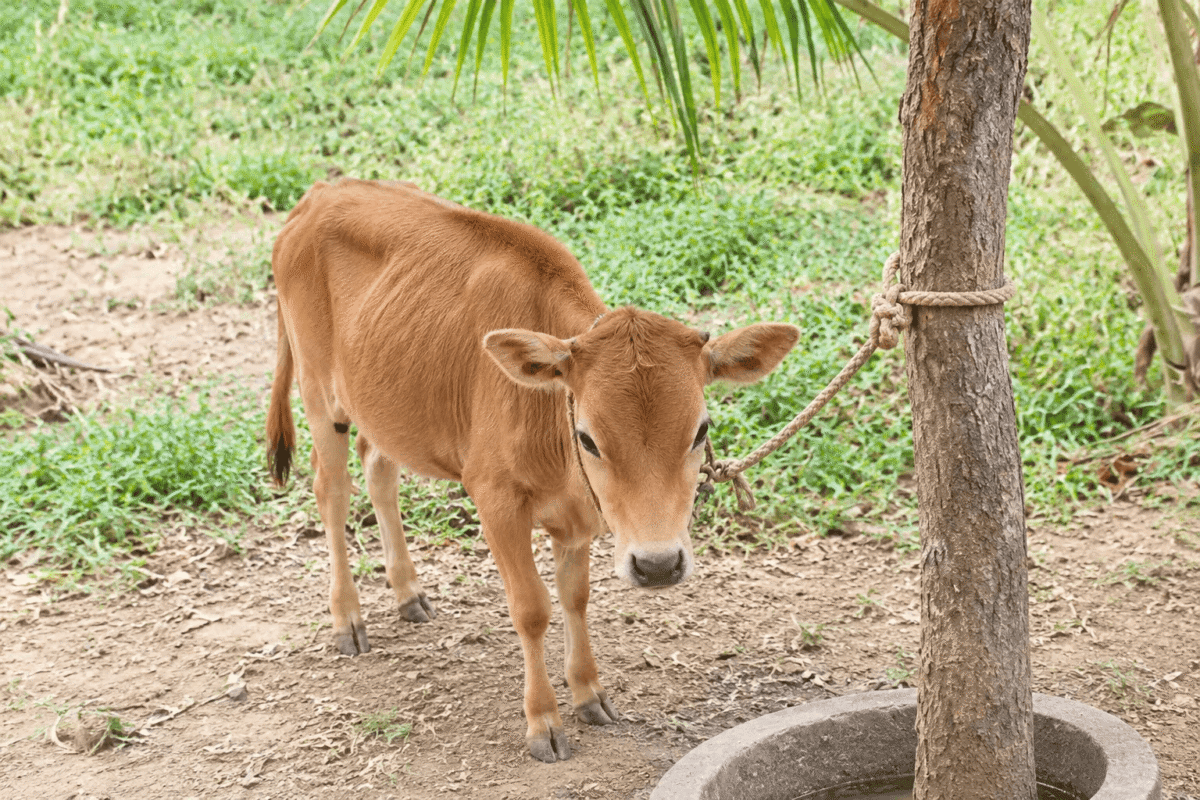
If you notice that your miniature cow is urinating more or less frequently than normal, or is in discomfort whilst urinating, it may be an indication of an issue. As with all animals, miniature cows can suffer from urinary issues. If you notice any issues within your miniature cow’s urinary system, it is important to seek veterinary attention.

Gaining insight into your mini cow’s usual urination behavior will allow you to identify abnormal situations more quickly. What are the signs to pay attention to, and when should you be worried? Let’s discover.

What Are the Normal Urination Habits of a Mini Cow?

A healthy mini cow will not strain too hard to urinate, nor show signs of discomfort. But the frequency of urination may depend on age, food, intake of water, climate, exercise, and general condition.

Cow Urinary Problems

You don’t need to pay attention to the frequency, you should pay attention to the normal urination of your mini cow! Check the condition of the urine and look for comfort on the part of your animal when urinating.

What Urinary Problems Can Affect Mini Cows?

Mini cows may have various urinary problems. Symptoms can include but are not limited to the following:

  • Cattle tend to have urinations: Your mini cow may be urinating more frequently than normal.
  • Straining to pass urine: This animal may be straining when passing urine or attempting to pass urine.
  • Urinate with minimal production: Your animal might dribble when trying to urinate.
  • Unusual urine: If your urine has changed colour in a way that is not normal, it could be an issue with your health.
  • Behavioural symptoms: Restlessness, repeated movements and posture changes indicate pain in the animal.

These signs are not an exclusive indicator of specific diseases. Your mini cow needs to be seen by a veterinarian to determine the cause.

What Causes Cow Urinary Problems in Mini Cows?

Several factors can contribute to Cow Urinary Problems in miniature cattle, including insufficient water intake, dietary changes, urinary tract infections, and urinary stones.

Cases in male cattle are specifically problematic when it comes to the issue of urinary obstruction as a result of kidney stones, which may leave them unable to urinate altogether.

Hence, repeated attempts to urinate need to be given sufficient attention if there is an absence of urine being produced.

How Can You Prevent Cow Urinary Problems?

Good daily care can help support your mini cow’s overall health and make unusual changes easier to notice.

Here are a few helpful practices:

  • Provide clean drinking water: Ensure fresh water is always available.
  • Maintain a balanced diet: Feed appropriate forage and a veterinarian-recommended diet.
  • Observe daily habits: Notice changes in urination frequency, behaviour, and appetite.
  • Keep the living area clean: Maintain a hygienic and comfortable environment.
  • Schedule regular veterinary check-ups: Professional examinations can help identify health concerns early.

When Should You Contact a Veterinarian?

Consult a veterinarian if your mini cow strains to urinate repeatedly, has discomfort and/or blood in the urine, or exhibits abnormal urination behaviors.

mini cow strains

Note: If your mini cow is trying to pee repeatedly but failing to do so, you should take her to the veterinarian’s office for emergency treatment – it’s important. Never wait for the symptoms to go away or treat it at home without help.

A Little Observation Can Make a Big Difference!

Although the mini cow cannot communicate its feelings, you can still use its behavior to glean some insight into its state of health. Continuously monitor the normal behavior of your cow, ensuring that it eats adequately and gets all required medical attention without delay.

Pay attention to any changes in the urination pattern of your mini cow. Properly taken care of by the vet, the animal will be kept in good shape.

References Link: https://www.researchgate.net/publication/260478539_Urinary_tract_infections_of_small_ruminants

Can Cold Weather Put Your Nano Cow’s Health at Risk?

Winter may bring cosy mornings and chilly breezes, but your adorable Nano Cow’s Health deserves extra attention during the colder months. Those tiny bodies need warmth, comfort, and protection from dropping temperatures. Cold winds, damp surroundings, and sudden weather changes can affect their health, appetite, and overall well-being. So, how can you protect your little companion and keep them healthy throughout winter?

1. How Can Cold Weather Affect Your Nano Cow’s Health?

Yes! Wind, moisture, and cold can be stressful for your Nano Cows. Fever checks, older calves, older cows, and sick cows can be especially vulnerable to stress over winter.

Micro Miniature Cow

How can I tell if my Nano Cow is suffering from cold stress? Cold stress can occur if your Nano Cow is exposed to wet and cold environments for extended periods of time. Signs to look out for include shivering, dullness or lethargy, and seeking shelter.

2. What Are the Common Winter Problems in Nano Cows?

There are some concerns that Nano Cows may have during the winter months, including the following:

  • Cold Stress: Hot temperatures and cold winds can cause the cow to lose body heat.
  • Respiratory problems: Ventilation that is not sufficient, bedding that is not dry, and shelters that are dusty can lead to respiratory-related illnesses.
  • Reduced Water Intake: Cows may drink less when the weather is cold, increasing the risk of dehydration.
  • Joint Discomfort: Older cows may become stiff or have difficulty moving in cold weather.
  • Skin Problems: Irritation and infections can occur because of wet and unclean bedding.

Be aware of any atypical behaviour and seek advice from your veterinarian if you observe any worrying signs.

3. How Can Winter Care Protect Your Nano Cow’s Health?

A comfortable shelter Your Nano Cow’s Health can benefit greatly from having a good shelter. Make sure they have a dry, clean area away from cold winds or rain.

Here are some simple winter care tips:

  • Offer dry, fresh bedding like new straw.
  • Ensure their nest is protected from high winds and rain.

Nano Cow's Health

  • Provide adequate ventilation don’t let them get a chill.
  • Offer fresh, clean water throughout the day.
  • Provide balanced, nutritious food.
  • Encourage them to soak up the sun when the weather is right.
  • Keep their living area clean and dry.

4. What Winter Nutrition Supports Your Nano Cow’s Health?

Proper nutrition helps support overall health during winter. Make sure your Nano Cow receives good-quality fodder, suitable roughage, and a balanced diet based on its age and nutritional needs.

Avoid making sudden dietary changes. Consult a veterinarian about appropriate feeding quantities and whether any supplements are necessary.

5. How Can You Keep Your Nano Cow Healthy This Winter?

Your small Nano Cow needs more than just a cozy stable. Do a health check, give a healthy meal and a cleaner stable, and show a little love and care to keep your small Nano Cow comfortable in winter.

Keep in mind, each cow is unique. Be on the lookout for signs of sickness, and always consult your veterinarian whenever in doubt. With just a little extra attention, cold weather can be healthier, safer, and even more fun for your beloved little Nano Cow!

Why Do Cow Hugs Create Such Beautiful Emotional Connections?

Some hearts speak with words, some hearts speak with the softest touch. The little nano cow strolling towards you, in your eye, and cuddling up to you can make a weird feeling. These golden moments bring us to mind the words “love never ends, love never fades, love has no language, love has no size, love has no limits. In some cases, the little friends make the greatest impact on our souls.

We don’t get to savor the simple moments of happiness in our hectic lives. Spending time with these cute little faces is an enchanting reminder that love, comfort, and connection can be found in the most unlikely of places.

What Makes Nano Cows So Special?

Nano cows are loved for their small size, cute faces, and cute personalities. They are extremely interesting due to their small size, and they can be quite cuddly and cute when handled, making them memorable.

From the curious following you with their noses, to a gentle, soft touch, to a small little rest beside you, every little interaction could help bring a smile to your face.

Nano Cows

Like people, each cow has its own individual personality. Some like some attention and gentle love, others like to be around familiar people without drawing attention to themselves.

Why Do People Love Cow Hugs with Nano Cows?

There’s something magical about interacting with animals without talking to them. An ordinary day can be extraordinary if touched by a gentle nuzzle, a curious gaze, or a quiet moment by a nano cow.

Here are a few reasons why people enjoy Cow Hugs and spending time with these gentle animals:

  • A Peaceful Escape: Spend some quality time surrounded by these soft, cuddly creatures as you take a much-needed break from your hectic schedule!
  • Emotional Connection: Interacting with our beloved bovine friends will help spark feelings of heat, fondness & fellowship!
  • A Natural Mood Booster: Their cute little faces and fun-filled moves are sure to put a smile on your face!
  • Touching or resting near a bovine will prompt you to slow down and enjoy this precious moment.
  • Beautiful Memories: Your special snuggling experience with our little bovine could be kept as a souvenir for many years.

How Do Cow Hugs Build a Beautiful Bond with Cows?

The bond connecting people and cattle relies upon attention, endurance, faith, and benevolence. As time spent alongside such mild creatures increases, one starts valuing their unique traits and comprehending what they require.

Cow Bonding

A bovine might move toward you driven by curiosity, relish a soft caress, or merely elect to remain adjacent. Such brief instances serve as reminders that significant bonds need not invariably depend upon verbal exchange.

Thus, one must honor their sense of ease and personal limits. Permit cattle to move near willingly and avoid pushing any form of bodily closeness upon them.

Where Can You Experience the Joy of Cow Hugs?

Sometimes, the joy that we look for lies within the most basic events. It might be a soft push with the head, a small snout making contact with your palm, or a silent time passed next to a caring bovine animal.

Want to experience this special connection yourself?

Come and experience the joy of Cow Hugs with our adorable nano cows! Take your time with our cute little nano cows, enjoy soft interactions, and find the joy of linking up with these lovely creatures.

Because sometimes, the best hugs come with four little hooves and a whole lot of love!

References Link: https://www.cabidigitallibrary.org/doi/10.1079/hai.2024.0016

How Does Cow Culture Reflect the Wisdom of Our Ancestors?

Some traditions are not just meant to be followed; they remind us of values that truly matter. Indian cow culture is one such tradition, deeply rooted in gratitude, nourishment, and compassion. Gau Pooja reflects this centuries-old bond between humans and cows.

Behind every flower offered and every prayer shared lies a message of respect and care. It reminds us that the animals who contribute to our lives deserve more than appreciation they deserve kindness and protection.

But what made the cow so extraordinary?

1. Cow Culture and the Symbol of Nourishment

Cows have served as indispensable animals of rural Indian families for centuries. They have been helpful in providing milk and taking part in agriculture.

Our ancestors used to identify the cow as a symbol of motherhood due to its milk. This bond slowly entered into Indian lifestyles, and the cow became a symbol of care, abundance, and generosity.

2. The Science Behind the Cow’s Contribution to Nature

Beyond cultural significance, cows have an important place in traditional agricultural ecosystems.

Their natural contributions include:

  • Organic Fertilizer: Cow manure, once composted properly, is rich in organic matter and nutrients for the soil, therefore helping improve soil quality.
  • Biogas Production: Waste from cows can be utilized in biogas systems for energy generation.
  • Agricultural Aid: Farmers use cattle to plough fields and transport agricultural goods.

Cow Adoption

  • Nutritional Importance: Milk and dairy products have played a significant role in the food practices of multiple Indian communities through time.
  • Soil Ecosystems: When taken care of properly, cattle poop can help in nutrient cycling and in the building of positive soil organisms.

The contributions above illustrate and help to understand the value of cows in early farming societies.

3. Why Is Gau Pooja an Important Part of Indian Cow Culture?

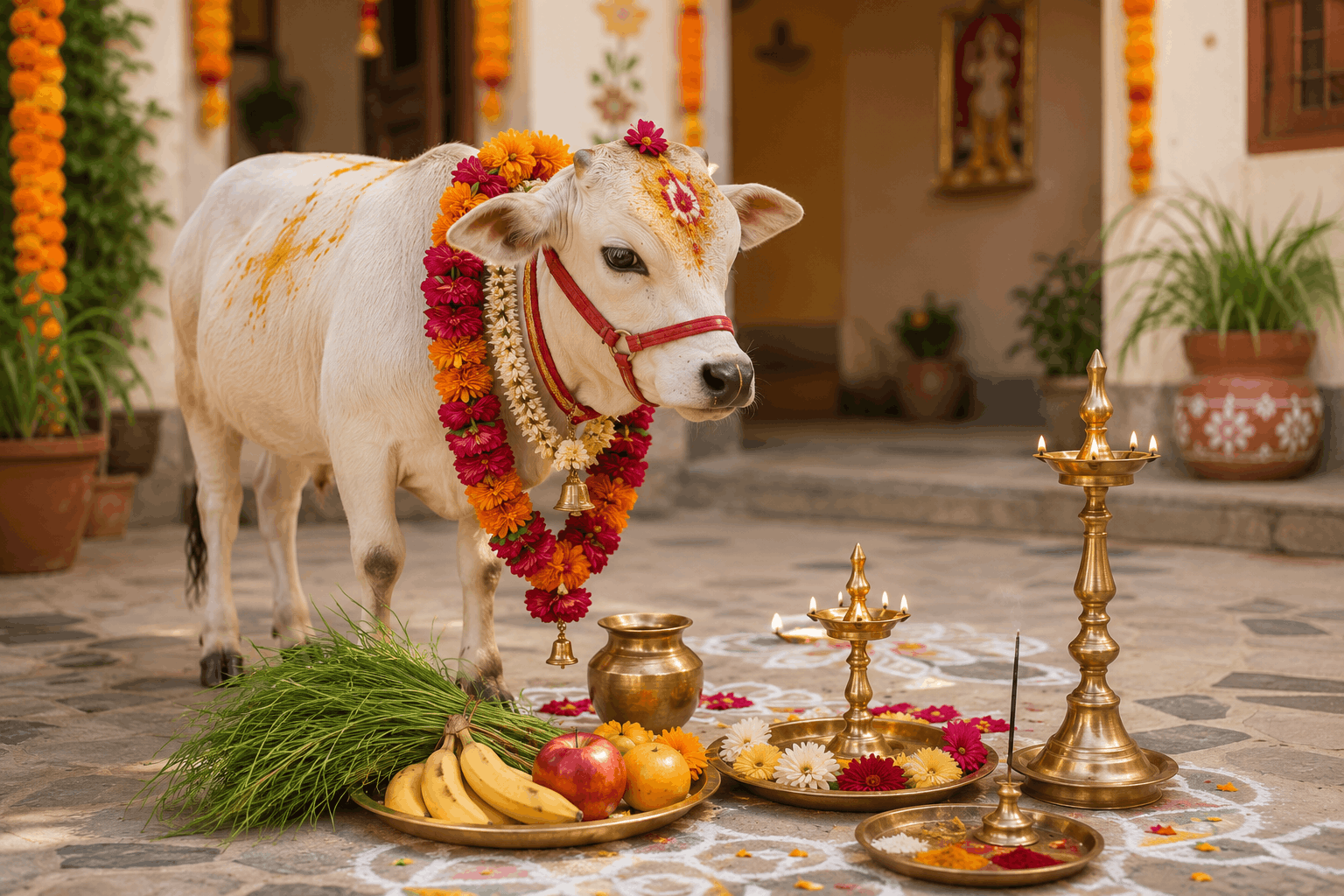
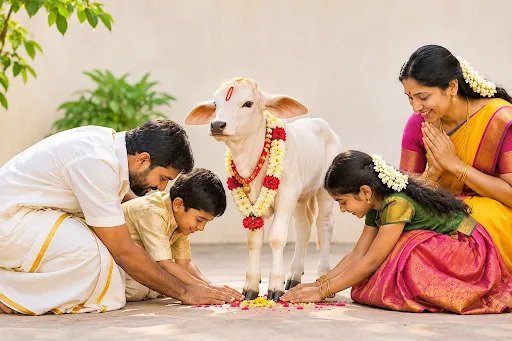
Through Gau Pooja, devotees express their gratitude to the animal that, for generations, has supported human life.

Devotees might offer flowers, put on a paste of turmeric and kumkum, offer food, and seek a blessing throughout the ritual. Each gesture, in this way, acknowledges respect, affection, and gratitude.

Its deeper message reminds us of three important values:

  • Observe a range of living things with respect.
  • Identify the role played by animals in our lives.
  • Extend kindness and exercise care towards animals.

The occasion provides a chance to reconnect with the old values of gratitude and coexistence.

4. What Can We Learn from Our Ancestors Today?

In today’s life, we are generally detached from the natural systems that help meet our requirements. Gau Pooja provides an occasion to think about how humans, cattle, farming, and the environment are related to one another.

But reverence for cows cannot be limited to conducting a ceremony once a year only. Reverence lies in making sure that they are well taken care of throughout the year.

It means that providing them with healthy food, safe water, shelter, medical treatment, and a safe environment comes from reverence.

Cow Pooja

5. How Can Cow Adoption Keep Traditional Cow Culture Alive?

How would it be if your commitment could change the fortune of a cow?

This Gau Pooja, celebrate uniquely by adopting a mini cow from a well-managed farm organisation.

Your adoption support can help provide:

  • Access to nutritious food and clean drinking water.
  • Regular veterinary check-ups and veterinary care.
  • Safe shelter and day-to-day care.

Gau Pooja flowers are an expression of devotion. Care given throughout a lifetime is a true expression of compassion.

Keep in mind the wisdom of our ancestors, not only in rituals, but also in action.

Celebrate Gau Pooja. Honour Gau Mata. Make compassion a way of life.

References Link: https://www.ajssh.leena-luna.co.jp/AJSSHPDFs/Vol.3(1)/AJSSH2014(3.1-20).pdf

7 Fascinating Micro Cows Stories That Will Melt Hearts

What if you were told that the next best friend in your life could be a cow that is smaller than your dining table? Impossible? Meet micro-miniature cows. These tiny creatures have taken the world by storm with their short legs, fluffy fur, cute faces, and larger-than-life personalities!

Yet, there is a lot more to these tiny cows than just attractiveness. They sow bonds with expected pals or become loved friends on the farm. Let’s see what makes these micro-miniature cows so distinctive!

1. The Tiny Cows That Are Making a Big Impression

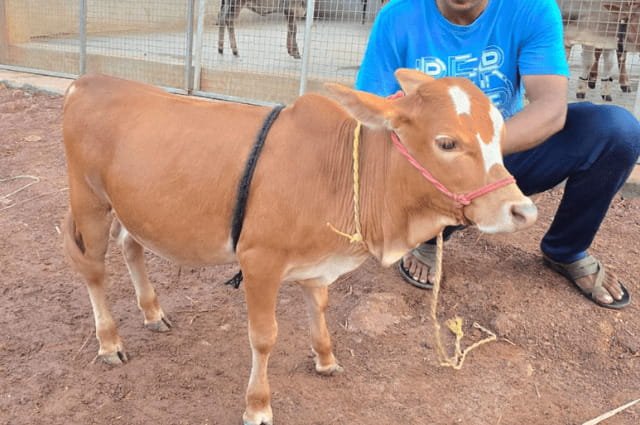
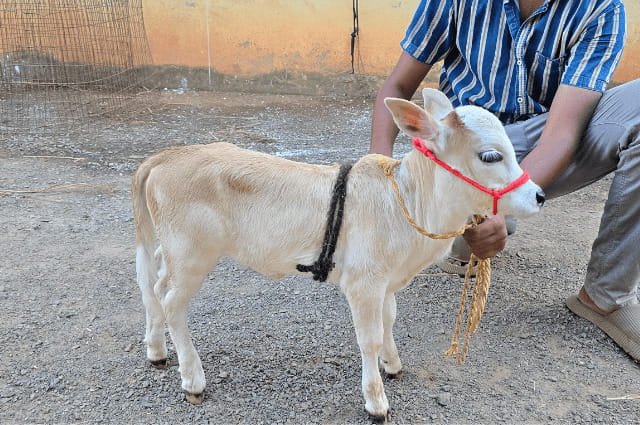
Who states that cattle need to be enormous? Miniature cows are selectively cultivated to be much smaller than cattle. Their compact size, short legs, and cute appearance differentiate them in every place.

These little animals are becoming more and more popular with rural property owners and animal lovers who like their special features. Although these animals look almost like toys, they are real cattle and need the same as the bigger breeds.

2. When a Tiny Cow Becomes Your Best Friend

How would it feel to arrive in your backyard and find a little calf welcoming you? It appears to be a dream, doesn’t it?

Miniature cows tend to form firm bonds with their caregivers, especially with a gentle approach and frequent contact. Some of them are fond of grooming procedures and the presence of their favourite humans.

Owing to their friendliness and inquisitive character, such animals make perfect pets for responsible people with appropriate skills, space, and means to look after them.

3. Small Bodies, Surprisingly Big Personalities

Even though they are so small in size, don’t be deceived! Miniature cows have an adventurous, playful spirit and are full of surprises!

One moment they could be basking in the sun, and the next, scouring every nook and cranny of their surroundings. Each cow has its own character, and this adds to the fun of spending time with cows.

Miniature Cow

Some cows might be naturally adventurous, while others are more inclined to just chill in someone’s arms. As in the case of humans, every cow is an individual!

4. Micro Cows and Their Unexpected Animal Friendships

Who says that friendships can only be found in animals of the same species?

Micro-miniature cows are capable of having wonderful friendships with dogs, goats, horses, and many other farm animals, provided these animals are introduced properly. One can imagine a cow munching peacefully on the grass next to a cute dog or walking with a goat around the farm.

Such interactions can remind anyone that friendship is not all about size and shape or species. Different animals can be introduced to each other safely and in the right way, given there is ample space among them.

5. Are Micro – Miniature Cows Really Easy to Care For?

Despite their small stature, you might think they’re easy to care for. However, one must not forget that these micro-miniature cows are still cows!

They require a great deal of care and should be raised in an optimal environment, just like any other cattle, in order to live a happy and healthy life.

Some essential requirements for keeping them healthy include:

  • Healthy Nutrition: Provide appropriate forage, balanced feed, and fresh drinking water.
  • Comfortable Shelter: Ensure protection from rain, heat, cold, and harsh weather.
  • Regular Veterinary Care: Schedule health checks, vaccinations, and parasite prevention.
  • Enough Space: Provide secure fencing and suitable grazing or exercise areas.
  • Social Interaction: Cattle are social animals and generally benefit from appropriate companionship.

Being small doesn’t mean they have small needs!

6. How Social Media Made These Tiny Cows Internet Stars

Have you ever browsed your social media feed and suddenly paused on a video of a shockingly small cow? You are not by yourself!

The internet is captivated by the cuteness of miniature cows. Videos of tiny calves dashing across the screen have won the hearts of animal lovers online.

Micro MIniature Cow

Their increasing popularity has led more people to research miniature cows in order to add them to their farms. But potential buyers must ensure they do proper research before making a purchase, as not every tiny cow sold is a miniature cow for life.

It is important to know the breed, size of both parents, medical history, and how big the calf will grow in adulthood before adopting a cow.

7. Why Every Micro Cows Deserves a Loving Home

Living beings are hidden behind those cute little faces, requiring lots of patience and protection throughout their lives.

It does not matter if a calf is naughty or a cow is well-behaved. Each and every miniature cow needs a loving and caring environment and humans who will take into account its requirements.

A responsible owner is the one who does thorough research and has knowledge about cattle care before making an important decision.

Ready to Adopt a Micro Cows?

If you’ve fallen in love with these tiny cows, just think of having one more member in your farm family!

You can give a miniature cow the loving family it deserves by investigating how to adopt them the right way, understanding their care needs, and getting one into your life.

Adopting an animal is not just about getting home a pet; it means saying ‘yes’ to caring for the animal for life.

Tiny hooves, big hearts, and endless love your new farm friend could be waiting for you! ❤️🐮

Discover the Beautiful Meaning Behind Gau Pooja Rituals

Remember the nights you fell sick as a child? Your mother stayed awake beside you, pressing a warm glass of milk into your hands. She never asked for thanks. She asked for nothing, except that you be well.

Now think of someone else who gives the same way: a cow, standing quietly at dawn, feeding children she will never meet. No name. reward. No “thank you.”

Perhaps that is why our elders never saw her as just an animal. They called her Gau Mata, Mother. And every time we forget how much she gave us, that word reminds us.

1. Why She Is Called “Mother”

Consider how the mother works. She serves the food to you first and then eats it herself. She gives, she never counts.

The cow does the same. Indian families have been nourished by her milk, without the hue and cry, without asking anything in return. That’s why she is regarded as a symbol of giving, caring and loving.

Honouring the cow is a ritual for the Hindus, and it’s not just any old cow; it’s a sacred one. It is an expression of gratitude for all that supports, provides and enables the human person.

2. Gods Who Are Connected to Gau Pooja Rituals

The cow is not just present in Hindu stories. She stands beside the divine.

  • Lord Krishna (Gopala): Beloved cowherd, who looked after and protected cows

God's divine

  • Lord Shiva: Divine bull Nandi, a symbol of devotion and power
  • Kamadhenu: Divine wish granting cow, a symbol of abundance, wealth and sustenance.
  • Gau Mata: the motherly figure who stands for kindness, patience, and generosity

Through scriptures, stories, and rituals, these bonds made the cow spiritually sacred in Hindu tradition.

3. She Carried Indian Life on Her Back

Long before machines and supermarkets, cows were already doing their job supporting the household and farm.

  • Milk and dairy: milk, curd, ghee and butter, filling kitchens and temple offerings
  • Agriculture: bullocks ploughing, carrying loads for farmers
  • Organic farming: Cow dung as natural manure, maintenance of the fertility of the soil.
  • Cow products used in some Hindu rites, customs and traditions.

She gave, giving and giving. Her spirit became a symbol of abundance, thankfulness and sustainability.

4. Why Do Gau Pooja Rituals Go Beyond Worship?

Cow worship is not just about praying to cows but what type of person it makes you. Being kind to animals is a sign of compassion and respect for life according to Hindu philosophy.

Worshipping Gau Mata reminds us to practise:

  • Ahimsa:  never harming any living creature
  • Gratitude:  being thankful for nature and what it provides

Cow Pooja

  • Compassion:  being kind to animals
  • Respect for nature:  knowing the connection between humans, animals and the natural world.

These values make cow worship meaningful beyond religious boundaries.

5. Why Do Hindus Perform Gau Pooja?

Gau Pooja is a traditional Hindu ceremony where offerings of flowers, turmeric, kumkum and food are made to cow as a token of thanks and for blessings from the divine

Gau Pooja is usually performed on festivals, religious occasions and auspicious dates. Many families believe that by serving and looking after cows you will bring peace, prosperity and positive vibes into your family

Bring Gau Mata’s Blessings Home

You don’t have to go all out, sometimes the simplest form of worship is the most beautiful spiritual experience.

Mini Cow Pooja is an easy and genuine way to celebrate the divine importance of Gau Mata. It’s perfect for if you want to:

  • Celebrating a special occasion with meaning
  • Ask for blessings for your family
  • Teach your children about Hindu customs and values

Experience Indian culture and spirituality right from in your own home.

Your family will be able to experience the beautiful values of love, thanks, compassion and devotion of Gau Mata.

Get in touch with us to book your Mini Cow Pooja and make your celebration extra special.

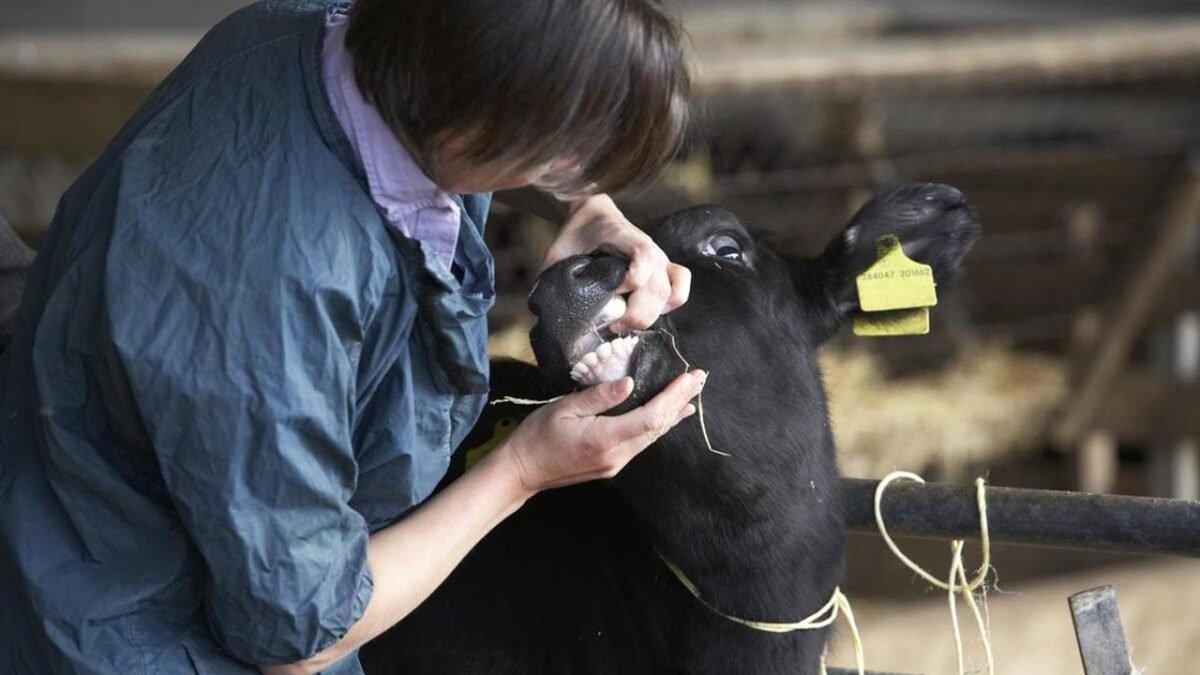
5 Warning Signs of Mini Cow Dental Problems to Watch

Those cute faces may have a problem that you’ll be surprised to know! Imagine your little cow racing up to its favourite snack and stopping halfway through the treat. At first, you may think it’s just being picky, but it may actually be painful for it to eat! It’s up to you to spot any dental issues your precious mini cow is having.

Why Do Mini Cows Have Teeth Problems?

Mini cows need to have healthy teeth and mouths to be able to chew their food (grass, hay, etc). They can suffer from dental problems such as trauma, mouth infections, and incorrect wear. This can affect their ability to eat properly. As they cannot tell us where they are in pain, we must look out for behavioural changes.

5 Warning Signs You Should Never Ignore

1. Is Your Mini Cow Turning Away From Its Favorite Food?

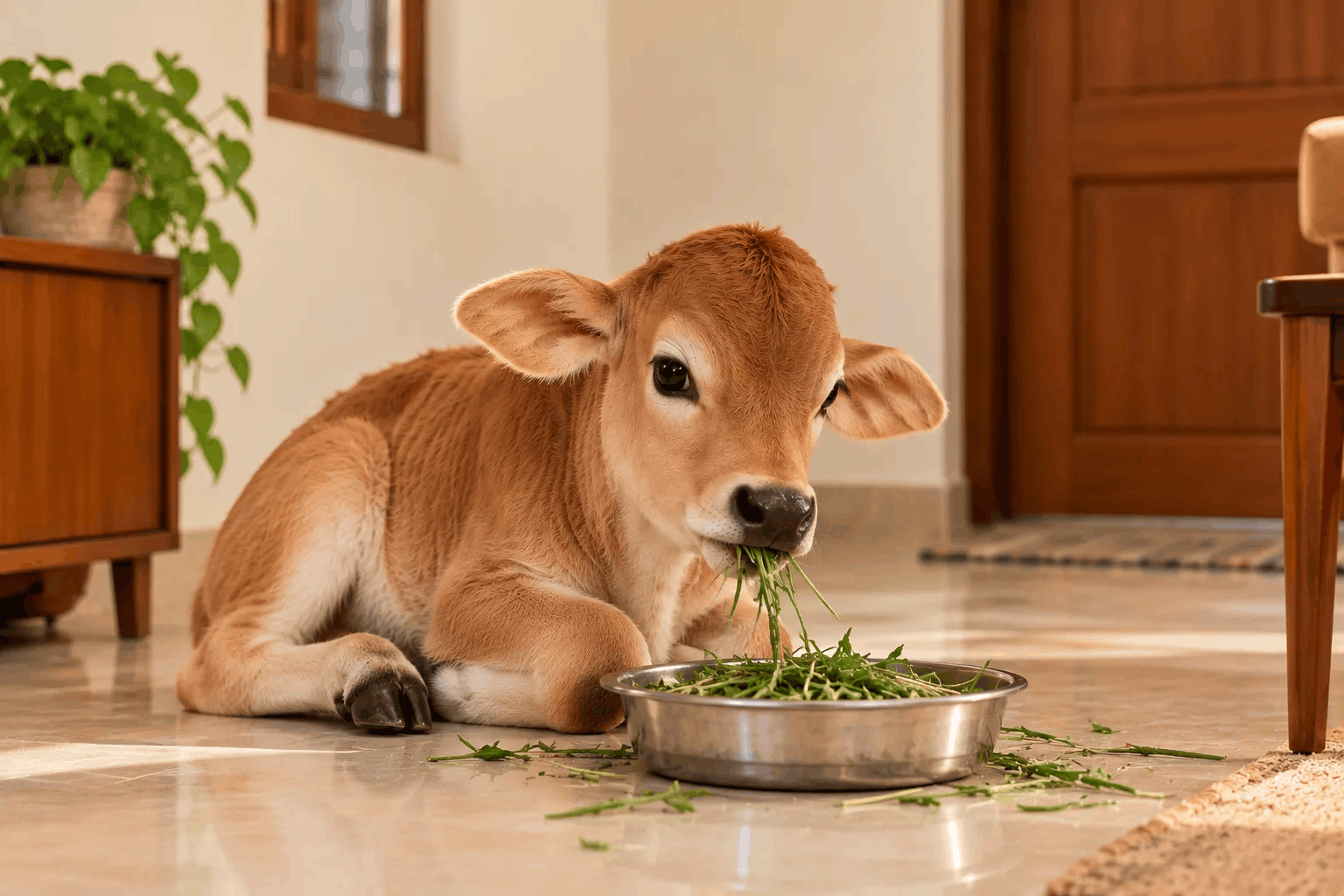
Have you noticed that your mini cow has been leaving some food behind in its bowl or having trouble chewing some of its favorite snacks? This can be indicative of oral pain or another problem with your cow’s health. Notice any abnormal behavior regarding your cow’s eating.

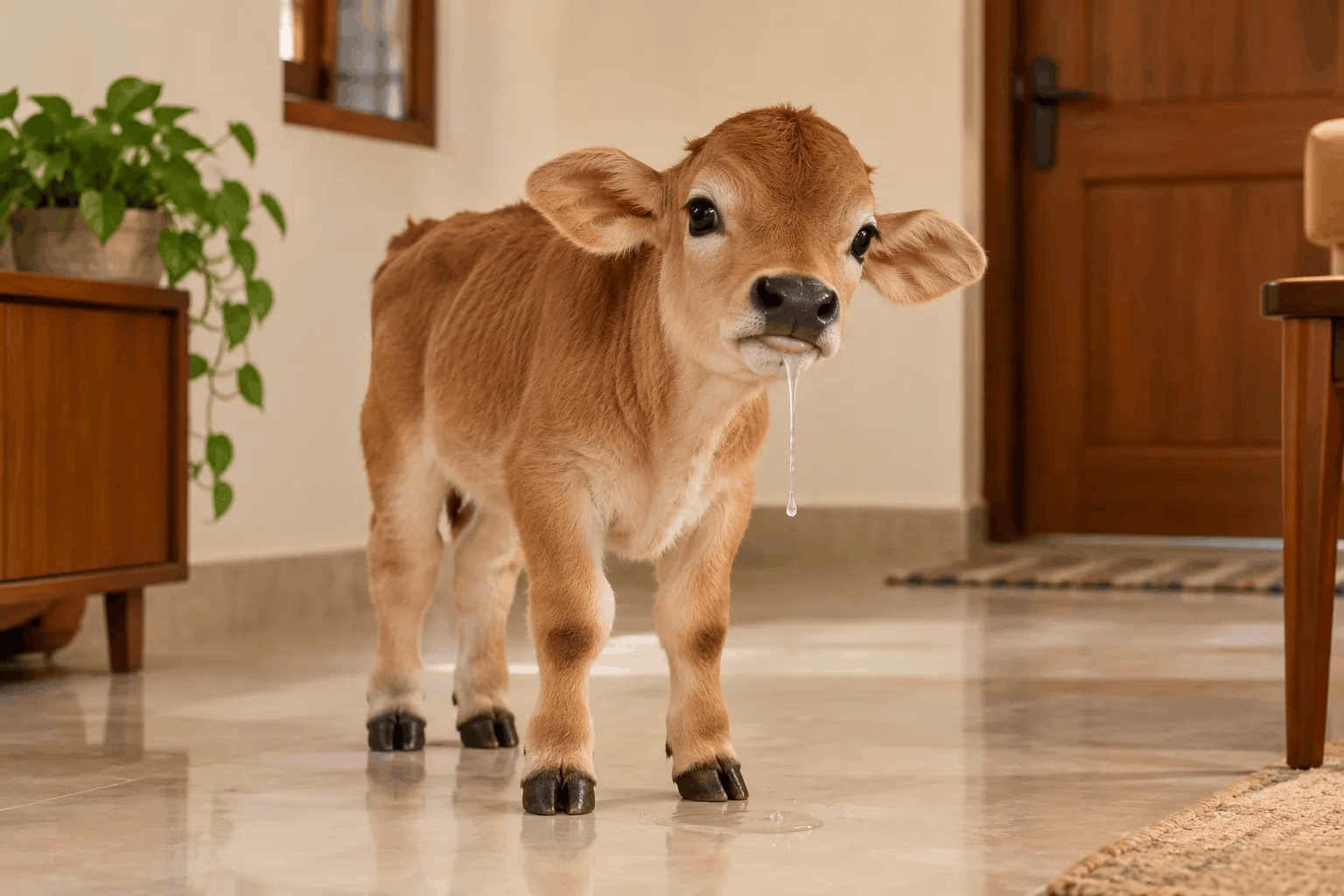
2. Why Is Your Mini Cow Drooling So Much?

Does your mini cow have more saliva than usual? Too much saliva might indicate that there is irritation in the mouth, injuries, or difficulty in swallowing. If this is the case for your mini cow, you should consult a vet.

Cow Drooling

3. Does Your Mini Cow Have Stinky Breath?

Bad breath that is constant in your miniature cow could be a sign that something might be wrong with the cow’s mouth. Watch out for any swelling, discharge, or even poor appetite in your miniature cow.

4. Is Your Mini Cow Getting Thinner?

If chewing becomes uncomfortable for your mini cow, then he may eat less and lose weight. Poor dental health is one reason why your animal may display such symptoms.

5. Is Your Mini Cow Chewing Strangely?

Picking up food, eating slowly, or constantly moving the head when eating can be signs of discomfort. A vet can help identify if there is a dental or oral issue, or another issue.

What Can You Do to Keep Your Mini Cow Healthy?

If you see anything unusual, these are a few easy tips to follow:

  • Monitor feeding patterns: Any decrease in appetite, chewing, or drinking.
  • Provide fresh water: Always provide fresh and clean drinking water.
  • Have veterinary visits: If it is suitable, allow a veterinary examination of the mouth and teeth of your cow.
  • Choose the correct feed: Feed as per the mini cow’s age and health.
  • Avoid home treatment: For repair or removal of teeth, don’t give any painkiller drug to a human, and do not attempt to repair or pull teeth.

mini cow's

When is it urgent? Seek veterinary help if your mini cow can’t breath, can’t swallow or is very swollen in its mouth. By not eating and a serious illness expression, it is necessary to make a timely response.

How Can You Prevent Mini Cow Dental Problems?

Dental problems can still happen. Taking action in your pet’s veterinary care, diet, and spotting signs early on can make a difference. To get advice for your pet, reach out to your large animal veterinarian or the veterinary teaching hospital in your area.

Final Thoughts: Could Your Mini Cow Be Asking for Help?

A small change in eating behavior may be a clue that something is wrong. Paying attention can help you get your cow the care it needs.

Calling all mini cow lovers! Have you noticed any unusual chewing or eating habits in your cow? Share your experience in the comments, and share this article with someone who loves these adorable animals!

References Link: https://pmc.ncbi.nlm.nih.gov/articles/PMC12873492/

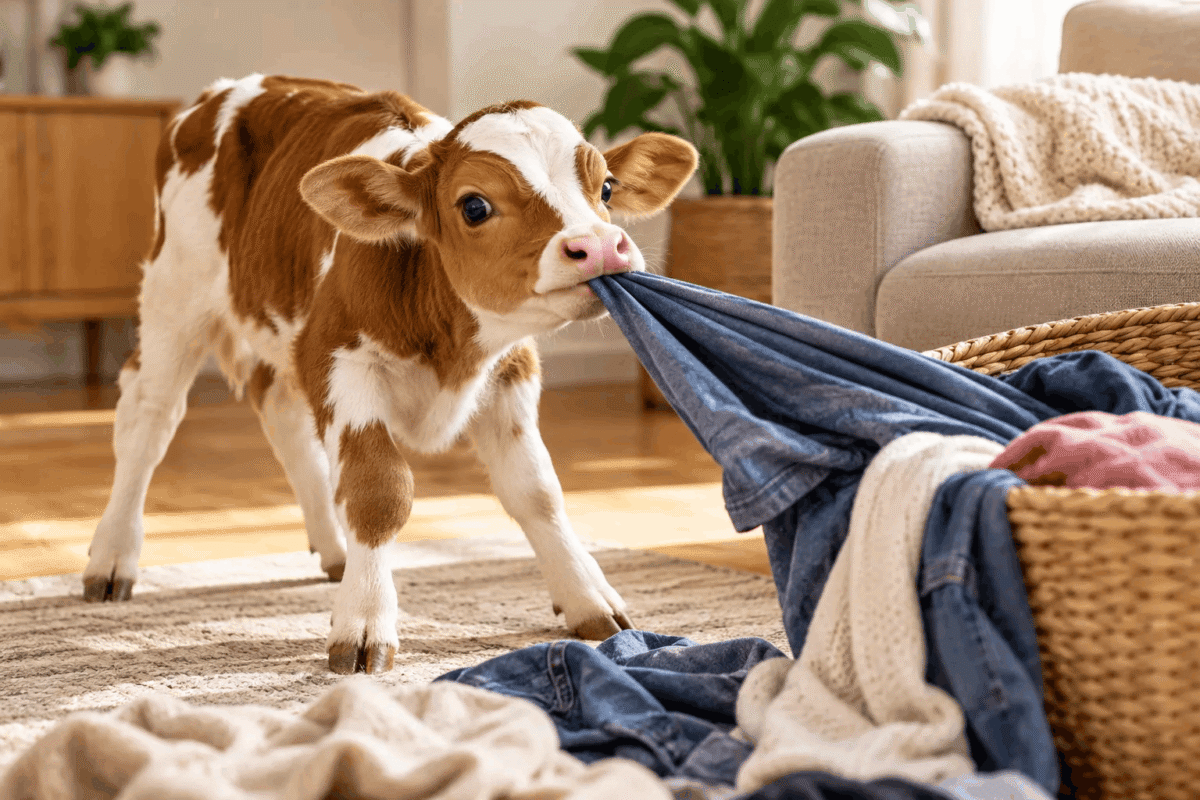
Why Do Mini Cow Habits Include Pulling Clothes and Objects?

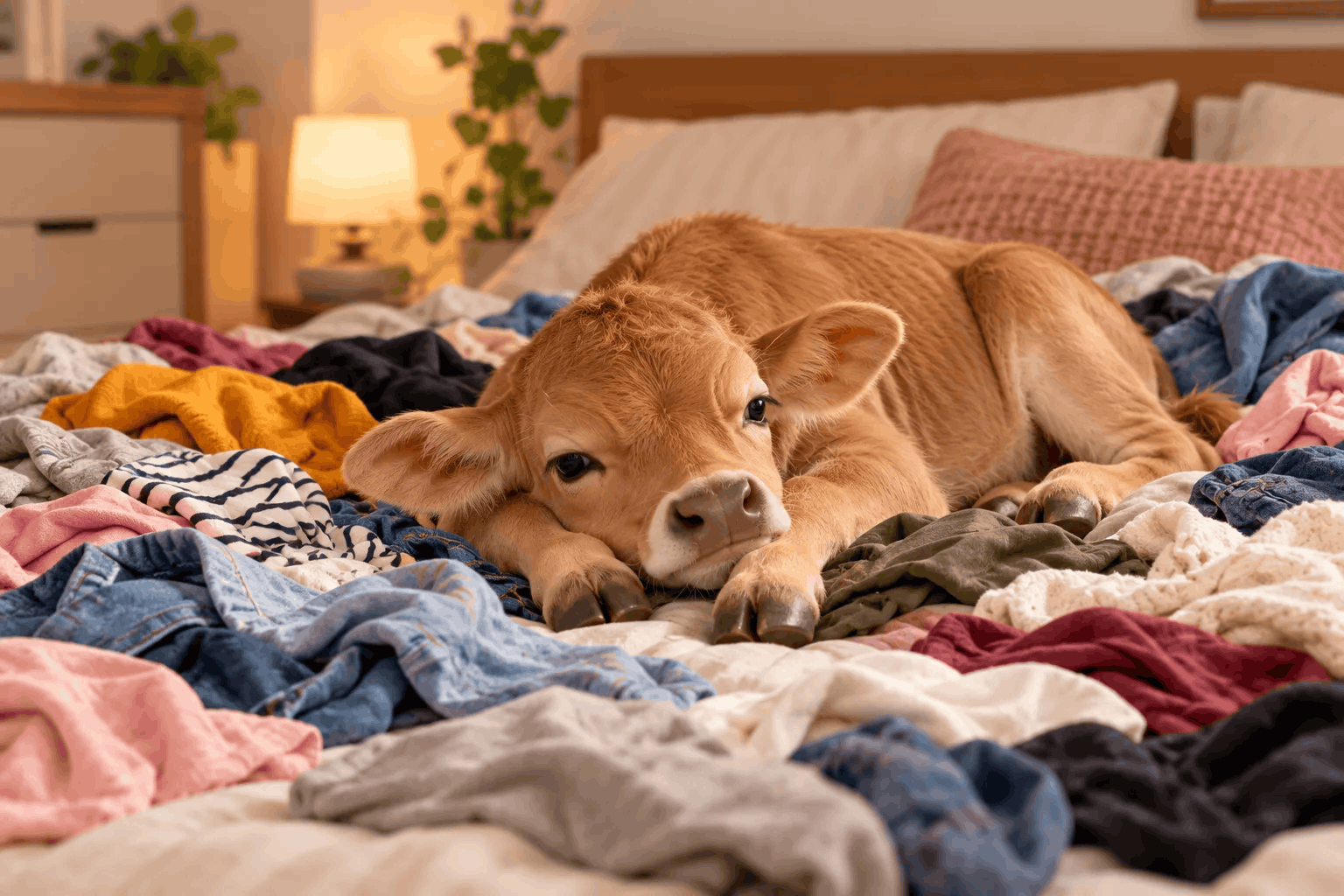
Have you ever wondered why mini cow habits include pulling your clothes, stealing towels, or chewing on objects they shouldn’t touch? While this behaviour may seem funny at first, it can be linked to curiosity, playfulness, attention-seeking, or boredom.

Investigations are conducted by the mini cows using their mouth, and pulling clothes could either be out of playing, curiosity, or attention. But then again, if they pull clothes all the time, it means they might be bored or something nutritional could be involved.

1. Curiosity and Natural Exploration

Miniature cattle are highly inquisitive animals that like to sniff, lick, or mouth any odd items, including clothes, ropes, buckets, and much more, around them. Their loose sleeves, scarves, and pockets become more interesting for them because of their flapping movement on touch.

Although calves can exhibit this behavior when exploring their environment, grown-up miniature cattle are still capable of mouthing objects.

Prevent clothes and inappropriate items from being within easy access, and give your cow chances to explore its environment.

2. Your Mini Cow Wants Your Attention

Is your little calf always tugging on your shirt whenever he is near you? He might already have learned that this gives an immediate reaction.

In fact, talking, laughing, stroking, and even treating the cow each time the pulling takes place might encourage the behavior. Mini cows are sociable animals and can highly benefit from constant interaction.

Mini cow chewing

Instead of punishing pulling of clothes, gently guide your cow and reward good behavior. By setting boundaries early, it can become easier to handle your cow when she becomes more powerful.

3. Mini Cow Habits Linked to Boredom

However, it may also be likely that a little cow that is in a non-stimulating environment will pull clothes just because it has nothing better to do.

Provision of proper grazing, sufficient room to roam, and interactions with friendly cattle may prevent your cow from getting bored. The provision of interaction with human beings and a proper environment may provide your cow with other sources of entertainment as well.

Should the behavior become frequent, try to think about if your mini cow is having enough space and grazing opportunities.

4. Nutritional Needs and Chewing Behaviour

In some cases, eating weird objects may suggest a condition known as pica, where there is constant consumption of non-food items. The reasons behind this may include nutritional imbalances or deficiencies and many others.

If your cow continues to chew and eat clothes, plastics, wood, and even dirt, you need to seek advice from a veterinarian because it might be an issue related to its feeding or health problems.

Ensure that its diet is appropriate for its age and requirements, with proper minerals and clean water available. Don’t give it supplements without vet’s recommendations.

5. How Can You Stop Your Mini Cow From Pulling Clothes?

If you maintain proper management and care, your mini cow can learn better manners.

  • Never encourage tugging: Never make clothing pulling a game or give rewards for doing so.
  • Enrich the environment: Give proper forage and suitable livestock enrichment devices.
  • Examine its diet: Make sure that your micro cow is eating properly with proper mineral supplements.
  • Encourage its docile attitude: Reward your cow for being gentle without tugging at your clothes.
  • Remove potential dangers: Remove all loose fabric, plastic bags, ropes, and any other potentially dangerous items from reach.
  • Consult a vet: Consult one if the behavior continues, is recent in onset, or includes eating non-food objects.

Avoid physical punishment, as calm and consistent handling is safer and helps maintain trust.

When Should You Be Concerned?

While mouthing might be normal at times, continuous chewing or ingestion of non-food items is a cause for concern. Be aware of the red flags, which include: eating less, dropping pounds, drooling excessively, experiencing abdominal pain, and having problems defecating.

Mini Cow

Such symptoms could be a sign of an illness. They may also indicate that there is an obstruction of the cow’s intestines. In this situation, contact a veterinarian without delay, particularly if your mini cow has swallowed any fabric or plastic.

Give Your Mini Cow the Care It Deserves

Miniature cows can also be friendly and inquisitive animals, but their behavior can very much depend on their surroundings, routine, and even well-being. With proper stimulation, balanced nutrition, and training, you can make your miniature cow feel comfortable and reduce undesirable behavior.

Planning on getting a mini cow as part of the family? Take a look at mini cow adoption options and find out what it takes to take care of one of these animals. Proper care and appropriate housing are necessary for a mini cow to be able to live happily and healthily.

References Link: https://epubs.icar.org.in/index.php/IJVASR/article/view/153606

Mini Cow leg Swelling Why Does It Happen and How Can You Help

Swollen legs in mini cows may seem like a minor problem, but they can sometimes signal a more serious health issue. From hoof injuries to infections, several conditions can cause swelling and discomfort. Knowing what to look for and when to call a veterinarian can make a big difference in keeping your mini cow healthy and comfortable.

Common Causes of Mini Cow Leg Swelling

Mini cow leg swelling can have multiple causes, and being able to identify the cause can help you give your animal the treatment it needs.

  • Injuries and sprains: slipping on wet ground, falling, or stepping on a hard object may injure the leg and cause swelling.
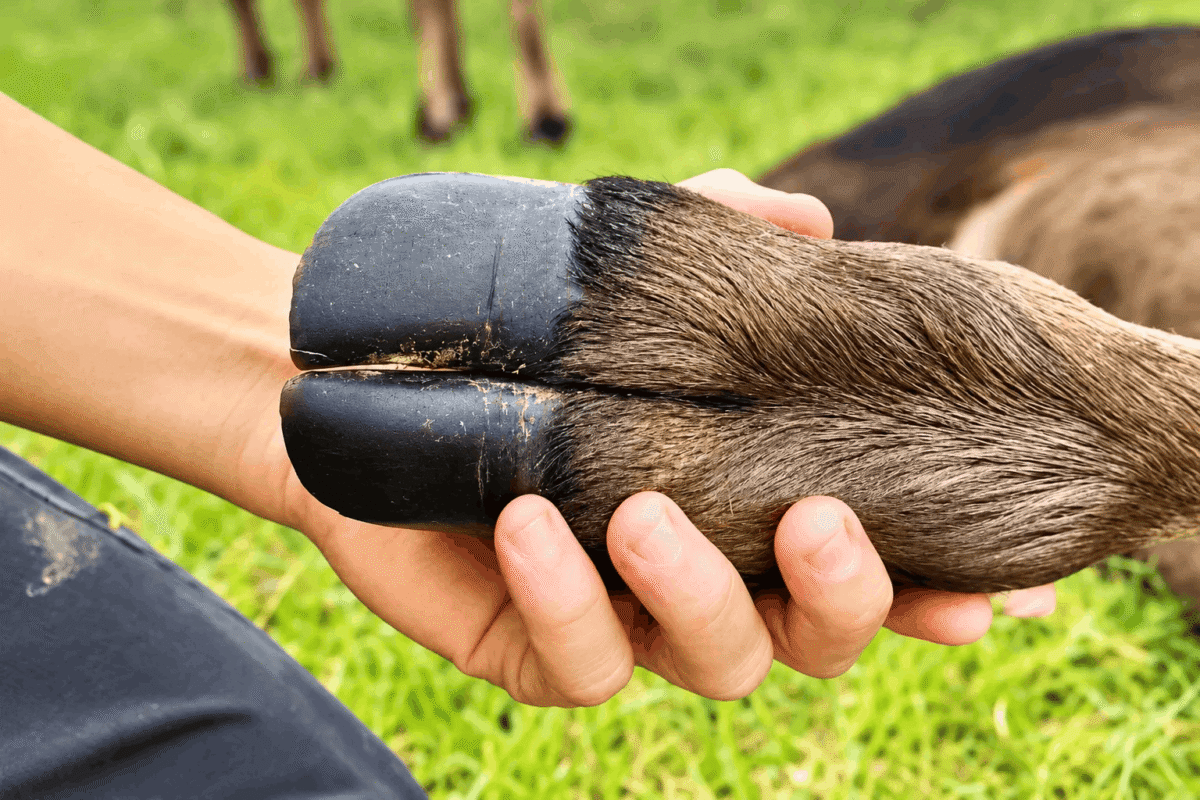
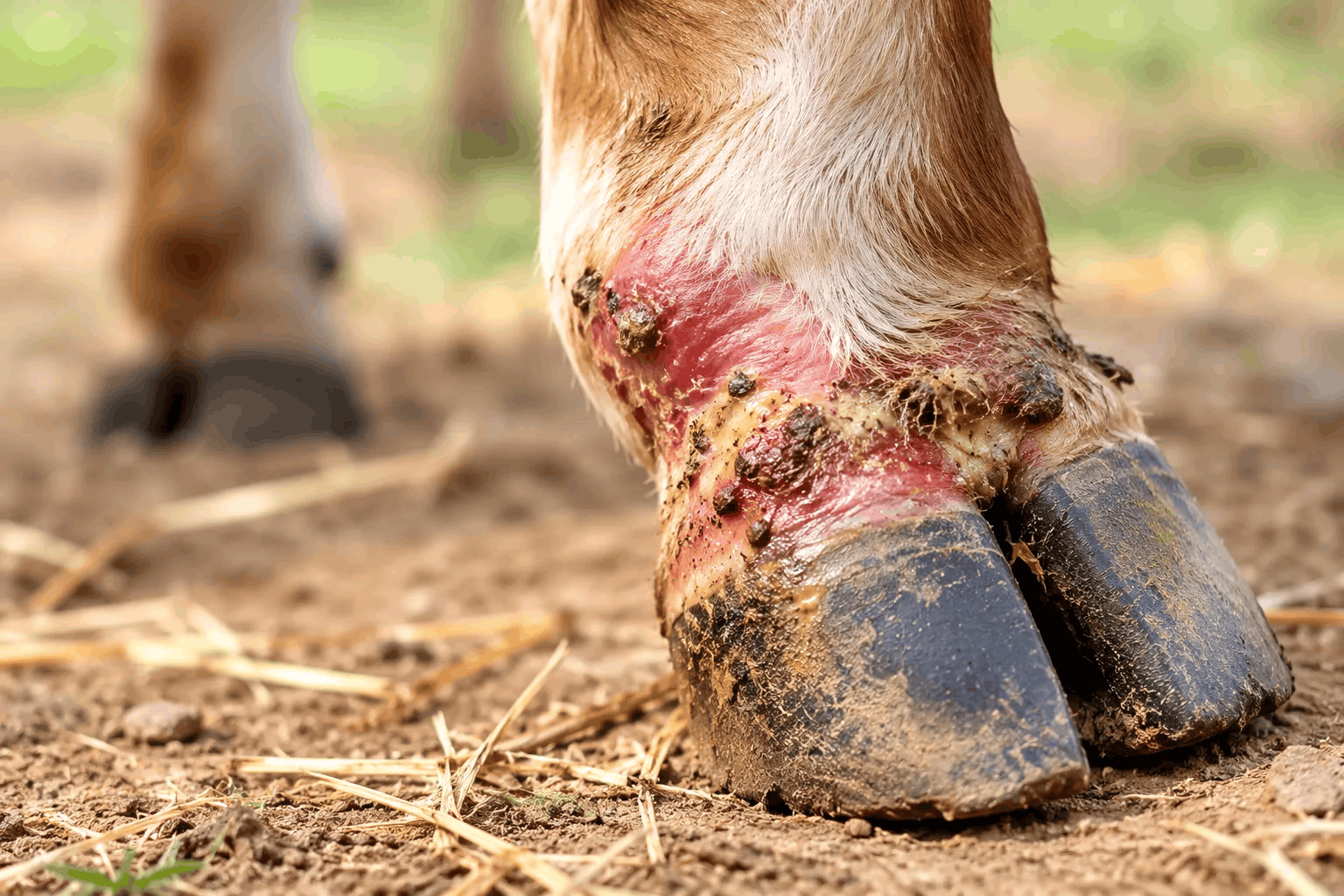
  • Hoof problems: Overgrown hooves, cracks, or infections between the claws can cause pain, inflammation, and difficulty walking.
  • Infections: Incisions, wounds, or infections can lead to swelling, warmth, redness, and tenderness

Hoof problems

  • Joint inflammation: Problems occurring in the joints are associated with discomfort during movement and stiffness.
  • Insect bites: Some bites or stings can trigger localized swelling and irritation.
  • Fluid buildup: Swelling due to fluid can sometimes be the result of a circulation issue or an underlying medical condition.

Signs You Should Watch For

Swelling may be difficult to detect, particularly in miniature cows with dense fur. Be sure to frequently examine your miniature cow’s legs, hooves, and walking behavior.

Warning signs include:

  • Limping or reluctance to bear weight on the affected leg
  • Warmth, redness, or tenderness near the swelling
  • Wounds, cuts, or drainage
  • Loss of appetite or fatigue
  • Fever or problems standing

If the swelling develops suddenly, becomes severe, or is accompanied by fever or an inability to stand, contact a veterinarian immediately.

How Can You Treat Mini Cow Leg Swelling?

Keep your mini cow in a clean and dry place with a good floor to avoid getting hurt again. In case you think that he or she might have a leg injury, try to let it rest and inspect the spot for any injuries or foreign objects.

miniature cow

Do not make your cow walk unnecessarily or give it any medication without a vet’s advice. Leave the task of exploring the cause of the injury and the required treatment to the professional. Do not attempt to treat large wounds or drain the swelling on your own.

Monitor the progress of the swelling, loss of appetite, and changes in the cow’s gait. If you notice that the swelling is getting worse, or the cow is limping severely, seek the help of a veterinarian.

Mini Cow Care: Keep Your Cow Healthy and Comfortable

Good daily care can reduce a lot of leg troubles. Balanced food, plenty of clean water, good bedding, regular hoof inspections and enough room to move around. Avoid the slippery, pitted or rough ground in their walking places.

If you need any help with your mini cow’s care, make sure to hold regular health inspections and consult a trusted and experienced vet in case of any unusual swellings, limping, or behavior. By providing complex mini cow care and supervision, you will help your animal to stay healthy and happy.

References Link: https://www.researchgate.net/figure/Cow-with-swelling-of-legs-dry-necrosis-and-gangrenous-lesion_fig1_316990376