What Challenges Come With Caring for Mini Cattle on a Farm?

Those tiny hooves and gentle eyes can make miniature cows impossible to resist. But is caring for one as easy as it looks? Though mini cattle are small in size, they have all the requirements of livestock. Hobby farmers need to know what raising them actually entails before getting one.

Mini Cattle Need More Than Just a Small Pasture

It is quite easy to presume that since it is a miniature cow, it does not require much room. This may not always be the case since mini cows also require room to move around and graze.

It is important to have a secure pasture. The use of strong fencing can reduce escape attempts. The pasture should also be free from any dangerous plants and objects.

Feeding a Miniature Cow the Right Way

Think a smaller cow means a smaller appetite? Not quite.

Even small-sized cattle need proper feeding for good health. The nutrients that they should be offered include good hay, good pasture, clean water, and minerals when necessary.

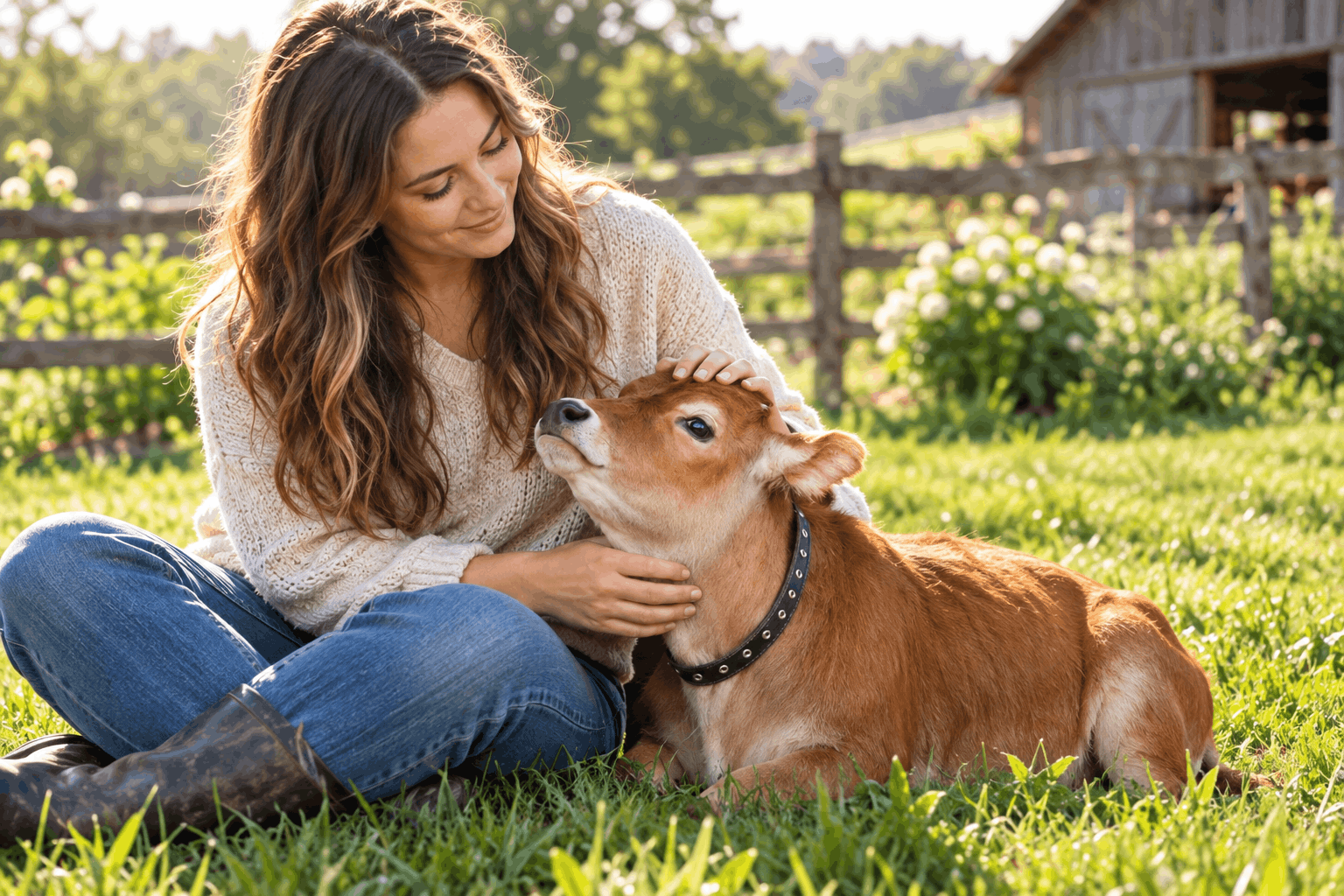
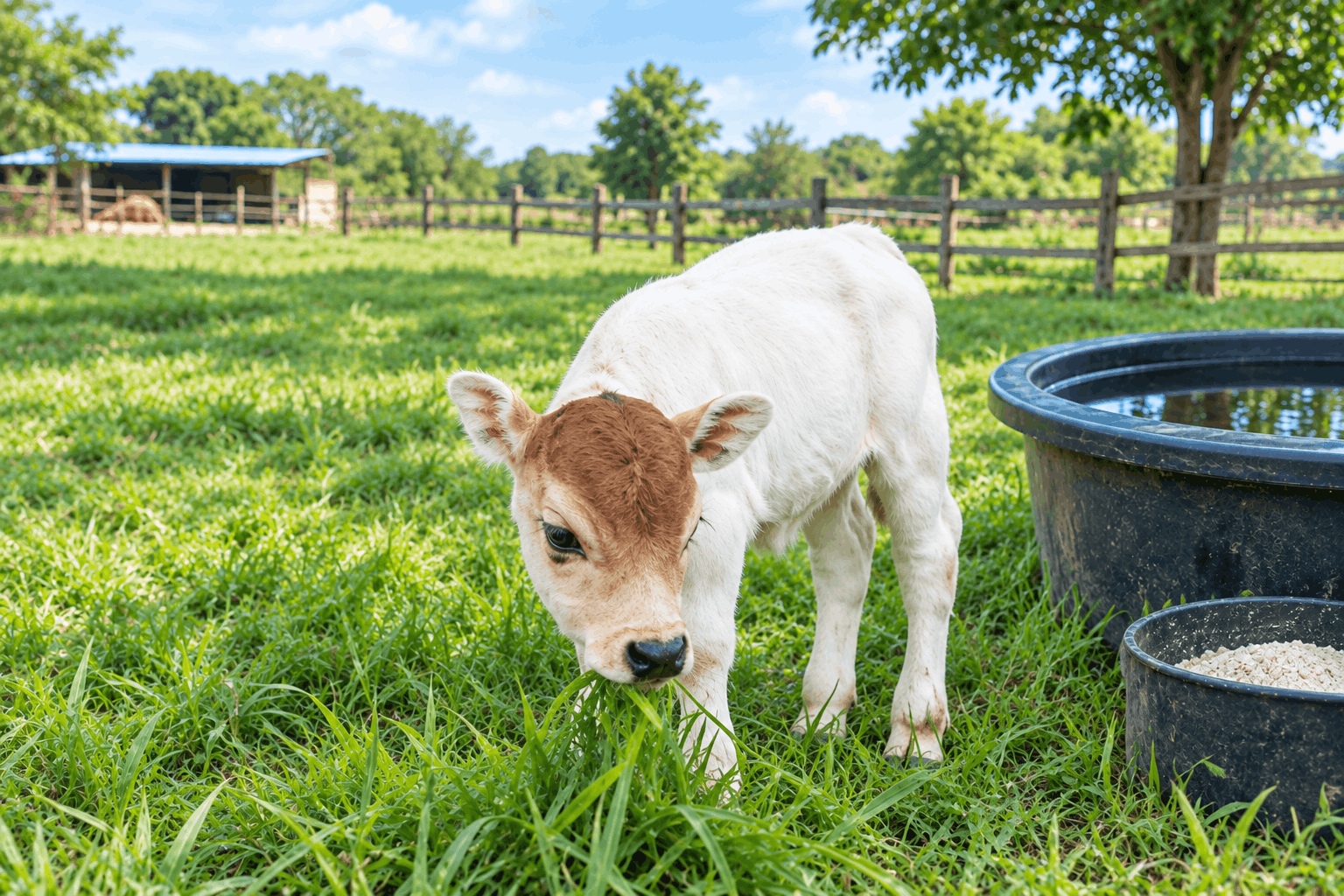
Small cattle

Overfeeding may be an issue as well, because too much high-energy feed could cause the animal to gain too much weight. The farmer should keep an eye on his or her cow’s body condition.

Weather and Shelter Can Be Challenging

Do you enjoy spending a hot day or cold night out in the elements without cover? Neither should your mini-cow.

A proper shelter is necessary to protect the cattle from harsh weather conditions. The resting area must be kept dry and comfortable. Shade and water must be available for the cattle in hot weather conditions.

Mini Cattle Healthcare Is a Major Responsibility

Regular maintenance of miniature cattle is required as well. This includes veterinary checks, vaccinations, de-worming, proper hoof care, and keeping an eye out for any sicknesses.

Farming people need to watch out for appetite changes, movements, behaviors, or appearance. It helps them deal with small issues before they become large issues.

Why Mini Cattle Need Companionship Too

Miniature cattle are highly social animals. It would not be right to keep one completely by itself, because this could mean that the social requirements of the animal are not met.

Some important responsibilities include:

  • Ensure fresh water is provided daily
  • Provision of a suitable diet and minerals
  • Securing the enclosure
  • Shade and weather protection
  • Veterinary and foot care regularly
  • Behavior, appetite, and body condition monitoring
  • Maintain cleanliness of the enclosure

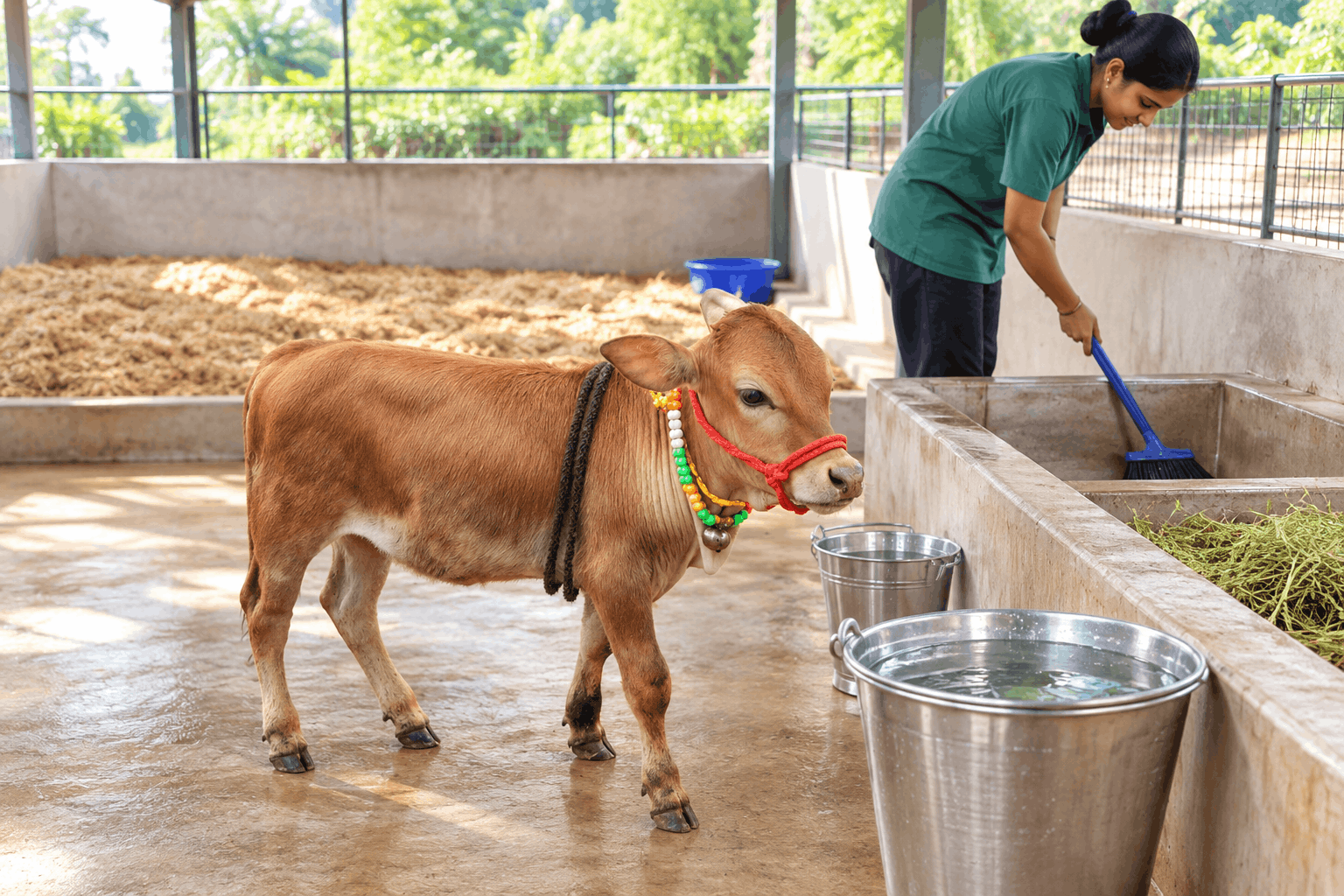
Miniature Cows

The Biggest Challenge May Be Commitment

The cutest aspect of having a mini-cow is usually the easiest aspect. What is difficult is maintaining consistency in their care year-round.

The costs of feeding, fencing, housing, vetting, hoof care, and others can stack up. The owner is advised to look into the local livestock regulations before considering a miniature cow.

More importantly, the farmer should always be ready to make a lifetime commitment instead of seeing a miniature cow as just another domestic animal.

Ready for Miniature Cow Adoption?

It does not take much to fall in love with the miniature cow. Providing a good home for one requires preparation.

Miniature cows can be a good thing if you have enough space, time, money, and if you truly care for your animals. You must learn all about the cow prior to adoption, things like health, personality, background, and care.

Ready for a mini-cow to join your farm? Discover how to adopt miniature cows and start your journey in providing a loving and secure environment for one of them.

References Link: https://modernfarmer.com/2016/06/miniature-cows/
Your Next Best Connection Might Weigh 400 Kg and Say Nothing

You arrive carrying 47 thoughts.

Deadlines at work. Constant notifications. To-do tomorrow. That conversation you are constantly reviewing.

Then a cow walks up to you.

The cow looks at you. You look at the cow. Suddenly, there is nothing that needs solving, no place you have to hurry to.

This is cow connection, a unique wellness experience that lets people slow down, relax, and spend time with animals.

No Advice. No Notifications. Just Moo

Cow cuddling is the practice of spending time quietly with cows by interacting with them. The activities that people can participate in during cow cuddling depend on the nature of the activity.

Unlike a hectic day at the office, the activity is not accompanied by a checklist of things to do.

On the contrary, the cows determine the speed.

The slow movements have the potential to make people leave their smartphones and focus on their environment. In addition, the fact that one is outside provides a much-needed respite from the office, roads, and screen culture.

What Happens During a Cow Connection Experience?

Our lives are mostly spent accomplishing tasks. We work, react, schedule, and plan.

Cow hugging is a totally new experience.

For example, during a session, you might:

  • Sit down quietly next to a docile cow.
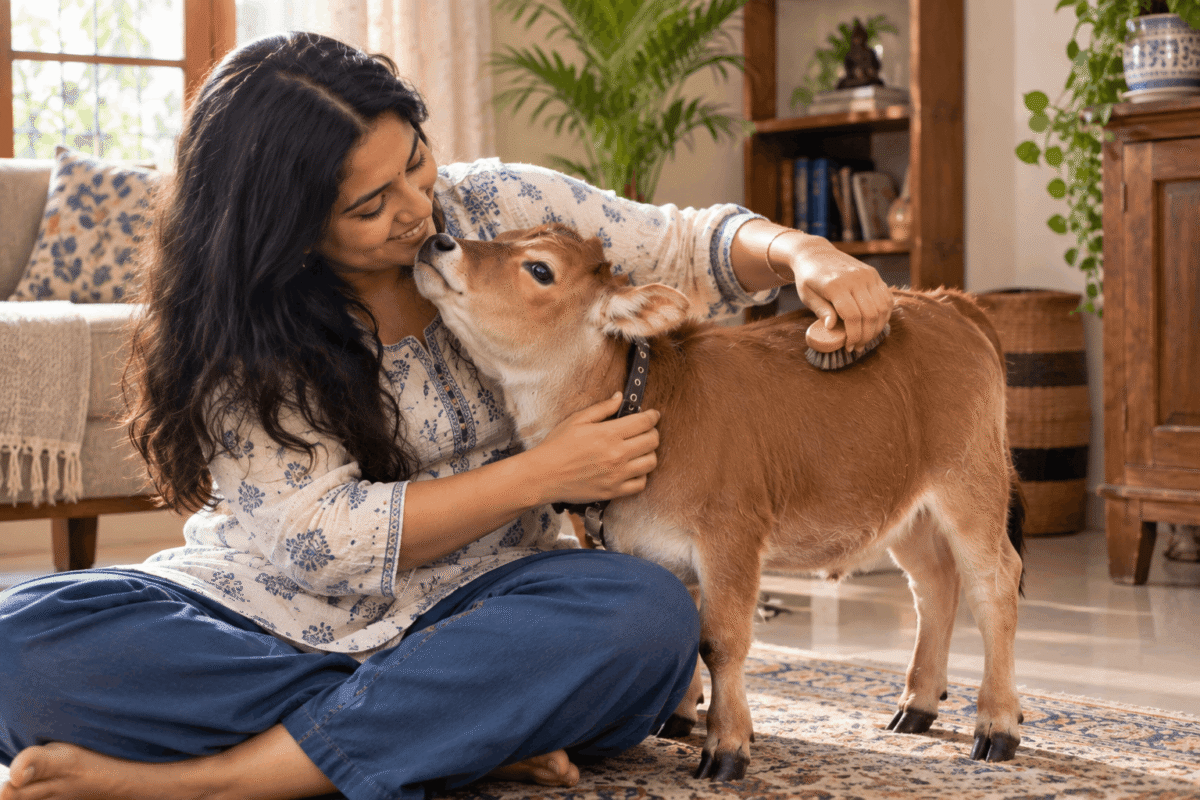
  • Gently stroke or brush its fur.

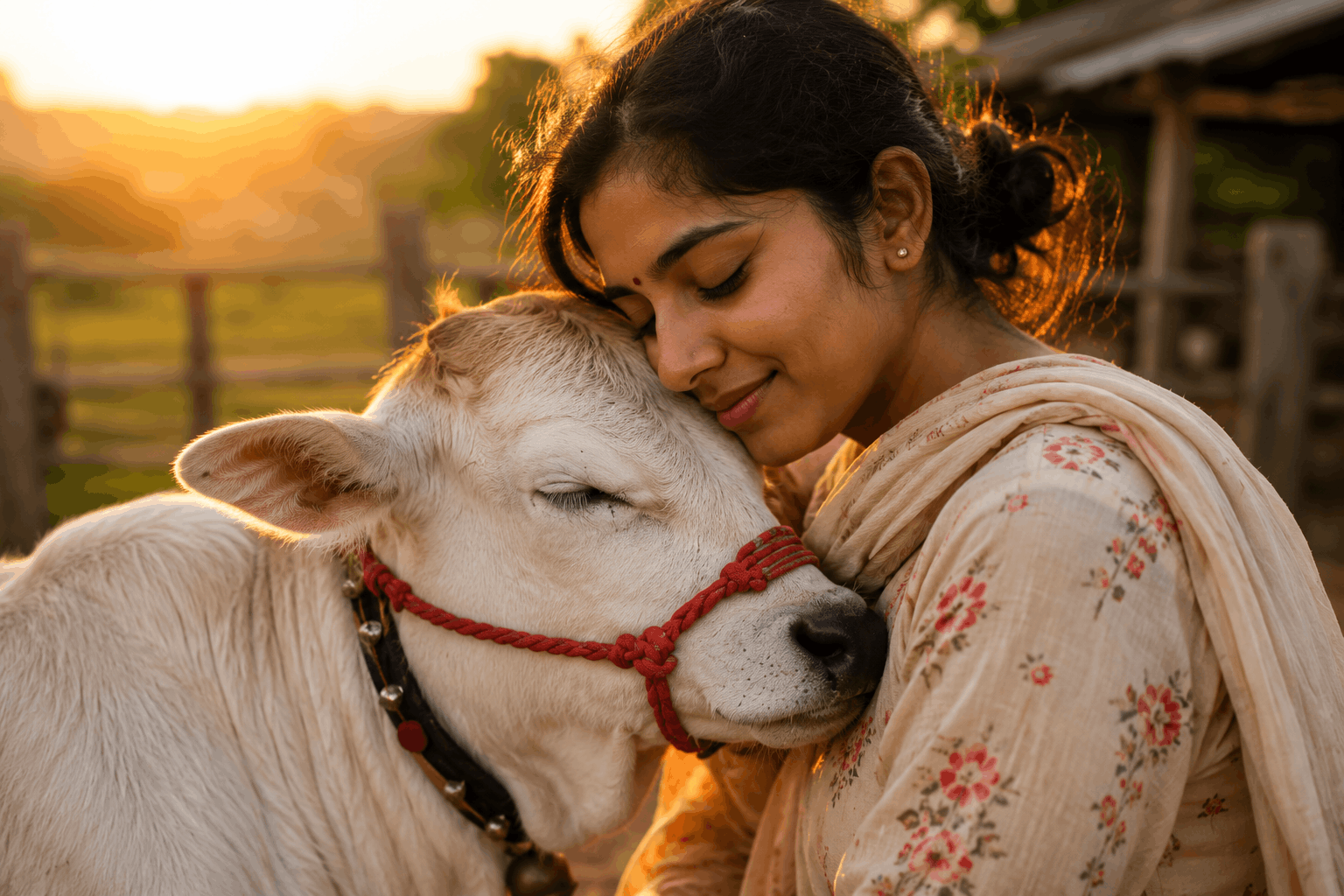
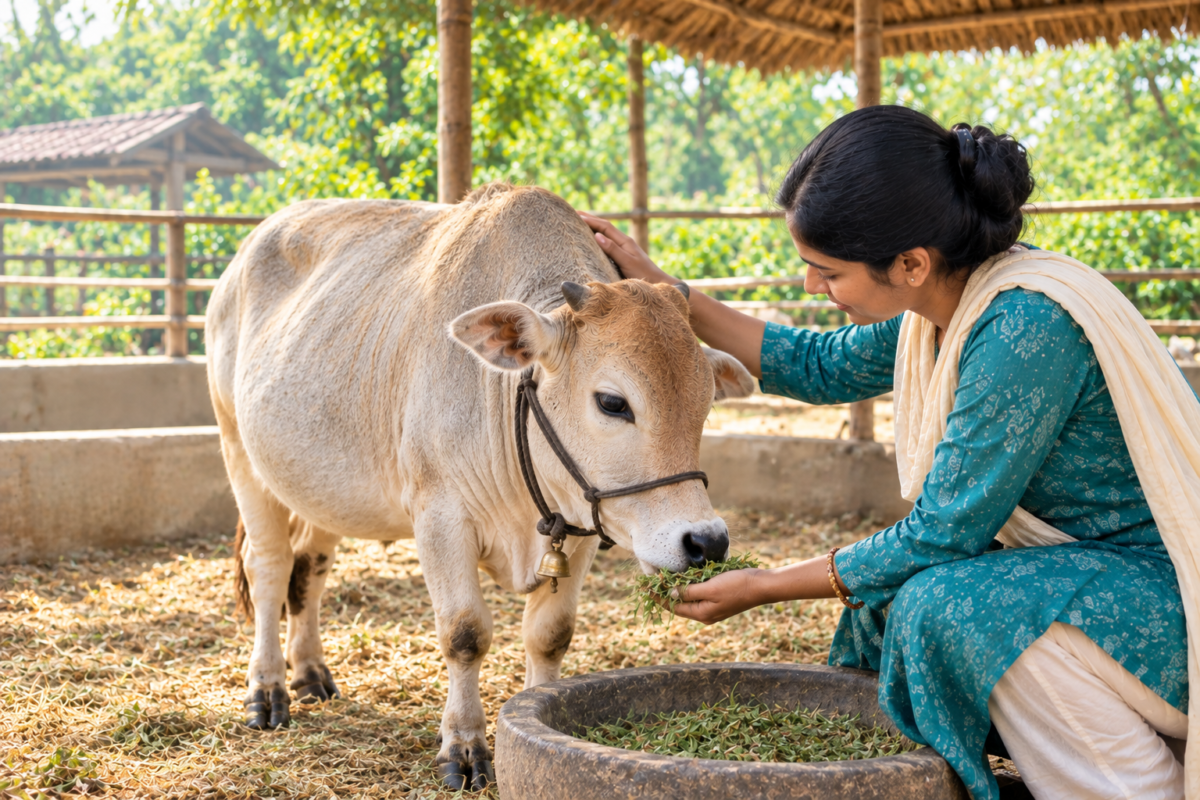
Cow Cuddling

  • Observe it grazing or sleeping.
  • Hear the noises around the farm.
  • Relax from cellphones and other alerts.
  • Spend some time outdoors.

Productivity goals have to be met here.

Just being present is enough.

The 400-Kilo Reminder to Slow Down

Cows have their own rhythm. They feed, walk around, sleep, and socialize without having to consider what comes next.

In effect, being in their company may offer visitors a chance to break free from their daily schedule.

It is important to note that cow cuddling does not substitute for professional help. Those who have problems with their mental state should consult a professional medical worker.

But for a great many people, an animal-related wellness service will only offer a way out of the stress of the daily routine.

Maybe We Don’t Need Another App

There’s an app for everything today.

Apps for meditations, sleep tracking, breathing exercises, and productivity reminders are plentiful. However, some moments of rest can be achieved just by leaving one’s phone alone.

That is when the cow makes its appearance.

Cow Cuddle

No password needs to be typed. There is no message to be checked. No screen asks whether you’ve accomplished your relaxing task.

Only a calm creature, a wide-open space, and time to relax are needed.

Ready to Experience Cow Connection?

If your concept of relaxation includes reduced screen time and increased moo time, then our cow cuddle service may be what you need.

With our cow cuddling service, you get the chance to encounter cows that are nice to be around and spend some serene time in a farm setting.

And why should you not swap notifications for peaceful moments spent with a four-legged animal?

Contact us now to find out more about our cow cuddle services and bookings.

References Link: https://pmc.ncbi.nlm.nih.gov/articles/PMC12451395/

Can Using Cow Dung Incense Bring More Peace to Pooja Rituals?

What if just burning cow dung as an incense stick made your pooja more peaceful, traditional, and spiritually connected? 🪔🐄

Cow-related items have always been valued by Hindus through the generations. It is worth mentioning that cow dung has been used as an element in homes, temple rituals, havans, and other religious ceremonies. In today’s time, there is a rising trend of incense sticks and dhoop made from cow dung in poojas.

But can they actually make a pooja more effective?

The Spiritual Significance of Cow Dung

In several Hindu cultures, the cow has been regarded as an object of worship in connection with purity, nutrition, and success. For ages, cow dung has been treated as a purifying substance and utilized in rituals.

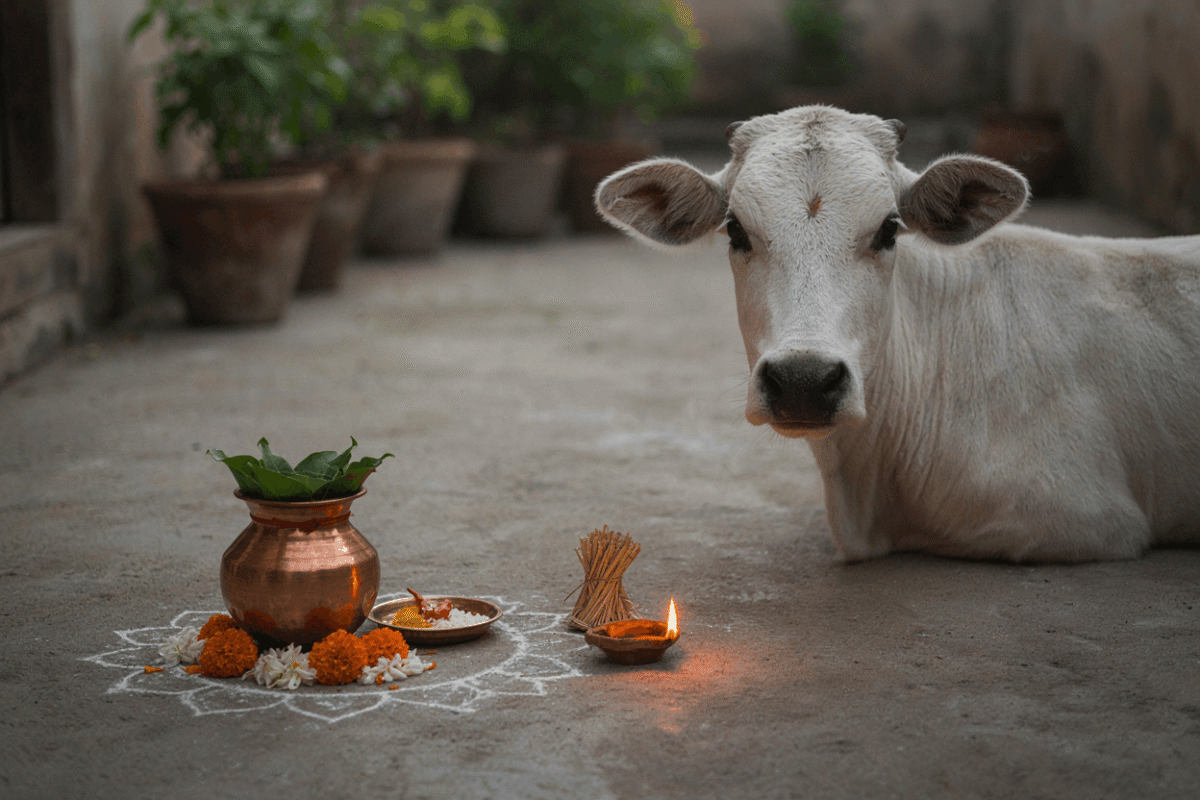
pooja rituals

Incorporating cow dung-incense into the pooja rituals could thus contribute toward a more holistic practice of these traditions. Nevertheless, whether or not the spiritual experience of using incense is effective cannot be determined through science.

How Cow Dung Incense Can Enhance the Pooja Experience

Incense when burnt, creates fragrances that can affect the mood of the prayer place. A pleasant fragrance will enable the believers to concentrate on their prayers.

Some traditional benefits associated with cow dung-based incense include:

  • Traditional ambiance created: The utilization of it links modern traditions to established traditions.
  • Increases focus: Scent that is relaxing scent could contribute to making an environment conducive to prayer.
  • Symbolizes reverence for the cow: It includes an item made from cow that is traditionally revered.
  • Mindfulness: Incense burning can be incorporated into the ritual practice of doing a pooja.
  • Fragrance for the prayer area: This will add some scent that will help make the place more comfortable.

Tradition Meets Mindful Worship

Incense during pooja could have significance not only in terms of its physical existence. Diya lighting, offering flowers, chanting of mantras, as well as burning of incense could become a constant ritual that would allow your mind to transition from routine activities to praying.

For those individuals who practice traditionally, this type of incense derived from cow dung can become an integral part of this holy ritual.

However, while using incense smoke, one must exercise caution. There should be proper ventilation, and there should not be too much smoke. Also, incense should be kept away from kids, pets, and fire hazards.

Bring Sacred Traditions Closer With Cow Pooja

Cow worship is a sacred practice performed by people who want to show their gratitude and love towards the revered cow. Besides the ceremony, this can become a beautiful experience when one is able to embrace the old values of compassion towards animals.

Want to experience the spiritual beauty of cow pooja? 🐄❤️
Experience the real Cow Pooja celebrations by joining The Mini Cow and make your event a celebration of devotion and love.

Reference link: https://ayodhyashri.com/why-cow-dung-cakes-are-sacred-for-hindu-pooja-and-astrology/

Are Your Mini Cow Vaccines Enough to Prevent Diseases Today?

“Doctor, my mini cow seems to be in perfect health. Why should she have any special needs?”

This is one of the usual queries that veterinarians like myself get from mini-cow owners. Especially when discussing mini-cow vaccines. My response is very straightforward – just because an animal looks healthy does not mean that it actually is.

Proper nutrition, sanitation, healthcare, and vaccinations are essential for even the mini-cows. It may be an issue because mini-cows are viewed as pets, and some cattle health practices may be ignored.

Start With the Right Nutrition

Proper feeding forms the basis of good health for your mini cow. It is recommended to feed your animal good quality forage and/or pasture, together with minerals and supplements as required.

Mini Cow Nutrition

Do not feed your mini cow large quantities of grain or rich snacks just because she likes eating them. Mini cows tend to become over-conditioned when not fed properly.

The nutritional needs of mini cows may differ depending on various factors such as age, pregnancy, lactation, exercise needs, body condition, among other health considerations. If you are not sure about the amount of feed that should be fed to your animal, seek advice from your vet.

Hygiene Is Your First Line of Defense

When I look at your cattle, I always tell you how much the environmental surroundings of your animal affect the health of your cattle.

If there is too much manure, wet bedding, dirty water buckets, or poor drainage in the pen of your cattle, then chances are that you are increasing the risk of infections in your cattle.

What Should Every Mini- Cow Owner Check?

  • Fresh, clean drinking water should be available every day.
  • Feed should be clean, fresh, and free from mold.
  • Manure and wet bedding should be removed regularly.
  • Feeders and water containers should be cleaned frequently.
  • Hooves should be checked regularly for overgrowth or abnormalities.
  • Observe the eyes, nose, skin, coat, appetite, and manure for changes.
  • New or sick animals may need separation to reduce disease transmission.
  • Parasite control should be based on veterinary advice and local risk.

Mini Cow Daily Care

Vaccination: Don’t Wait for Disease

The largest error owners can commit is believing that vaccines are important only after a disease has been diagnosed.

Vaccination is considered a preventive healthcare practice. For a mini cow, proper vaccination protocol will depend on a number of things such as age, geographical location, herd exposure, pregnancy state, past vaccination records, and common diseases in the area.

As a veterinarian, I do not advise that you simply follow the vaccination program of another cow. There are some vaccines that may need several doses before they are given again at regular intervals.

Your veterinarian will be able to create an immunization program for your mini cow based on its specific needs.

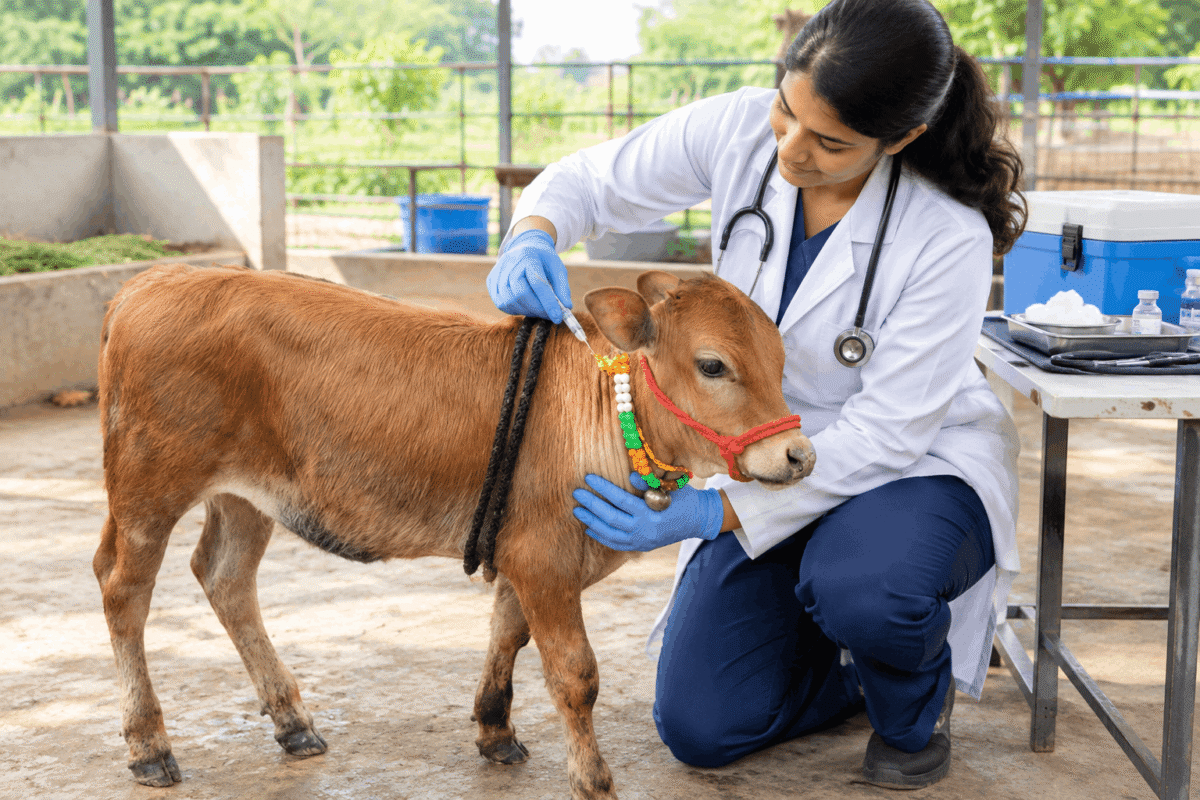
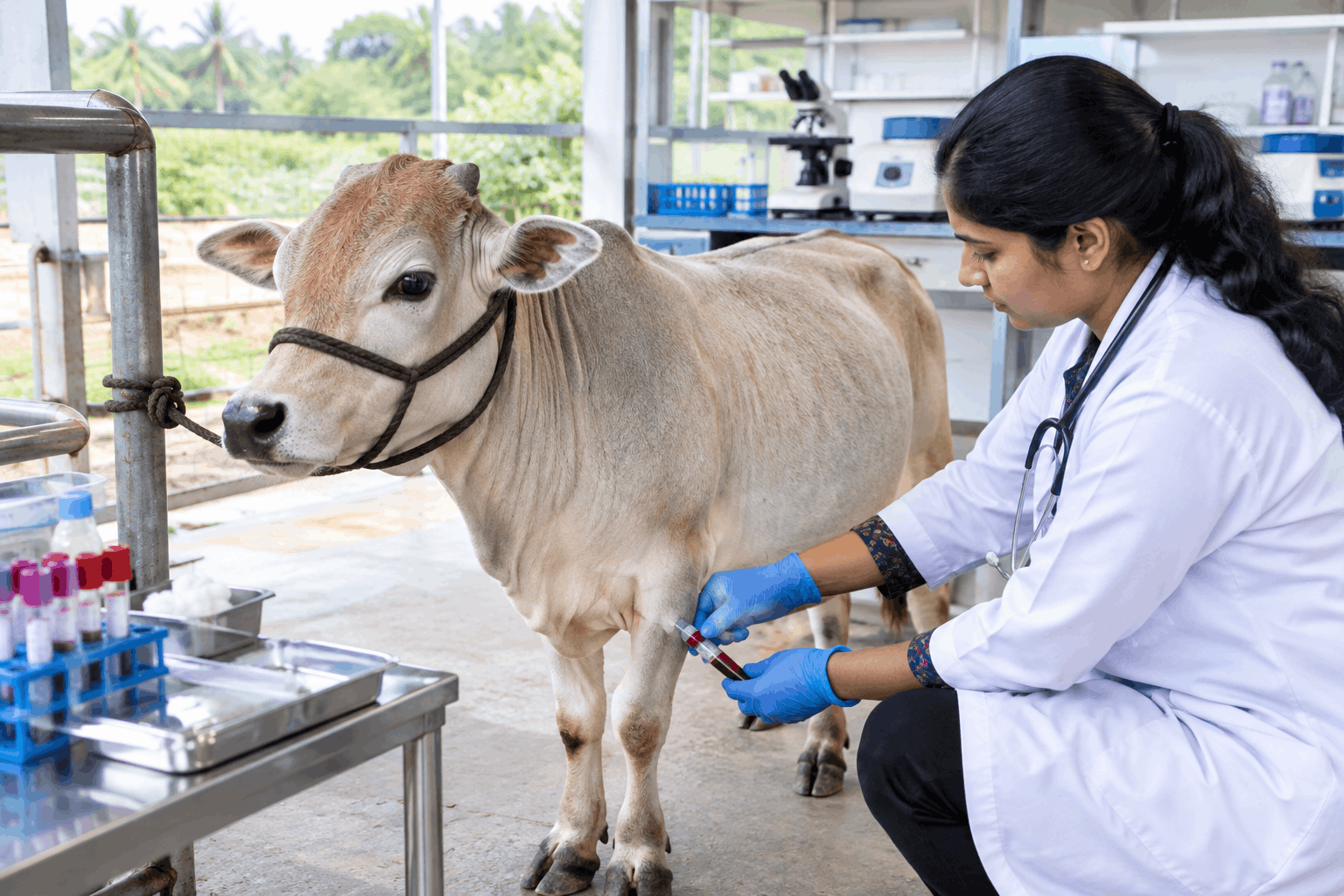
Mini Cow Health Checks and Vaccination

Seeking veterinarian services for your mini cow should not be based on it losing appetite or falling ill.

Sometimes variations in your pet’s appetite, behavior, physical condition, respiration, excrement, urination, movement, etc., may serve as early warning signs. Veterinary exams will allow potential health issues to be detected at a much earlier stage.

Healthy Mini Cow Starts With Prevention

As a vet myself, I recommend that owners of mini-cows concentrate not only on curing but also on preventing disease through regular practice.

Feed your mini cow properly, keep hygiene levels high, administer vaccines according to the advice of your vet, keep parasitic levels low, and watch out for your mini cow.

Because, as far as your mini cow’s health is concerned, an ounce of prevention is worth a pound of cure.

References Link: https://pmc.ncbi.nlm.nih.gov/articles/PMC8595237/

How Seasons Affect Serum Enzymes in Punganur Breeds?

India has various climates, which have influenced the development of different indigenous cattle breeds through time. The Punganur cow from the state of Andhra Pradesh in India is one such example of a unique and indigenous breed, making Punganur breeds important to understand and preserve

However, seasonal variations may affect the internal processes of the organism’s body. There are ways through which scientists can learn more about these seasonal variations. They can do this through the analysis of serum enzymes.

Why Study Serum Enzymes in Punganur Breeds?

Blood biochemical analysis may be used by scientists to determine the health, nutrition, and physiological state of animals. Some of the enzymes that may be tested through biochemical studies include AST, ALT, ALP, and GGT.

A study was done on 60 healthy-looking Punganur cattle, comprising 30 males and 30 females, in summer, monsoon, and winter seasons.

The study observed that:

  • Summer had the highest THI, which shows that heat stress was high.
  • Activity of AST was high in summer compared to winter.
  • Levels of ALT were also high in summer compared to winter.
  • Activity of ALP was high in summer compared to winter.
  • GGT showed no significant change in the three seasons.
  • Similar seasonal variations were observed in both males and females.

What Do These Changes Tell Us?

Results indicate that the environment has a role to play in affecting serum enzyme activities in Punganur cattle. This is indicated by the high levels of AST, ALT, and ALP seen during the hot season.

Significantly, it is highlighted that it is necessary to have breed- and environment-based references and not just use the data generated from different environmental conditions.

Protecting the Punganur Breed

Punganur cattle are an invaluable genetic resource in southern India. Endangering the existence of Punganur cattle would mean endangering not just an animal species, but an invaluable aspect of India’s agricultural heritage as well.

Punganur Breeds

How Can We Give Punganur Breeds a Safe Future?

You can be a part of Punganur cow preservation by adopting the cows in a responsible manner. Adopting a Punganur cow would help give this animal protection, good nutrition, proper veterinary care, and overall daily maintenance.

Adopt your Punganur cow through Minicow and be a part of preserving this rare indigenous breed.

One adoption can help preserve a legacy for generations to come.

References Link: https://livestockscience.in/wp-content/uploads/Punganur-cattlef.pdf

What Pooja Benefits Can Transform Your Spiritual Routine

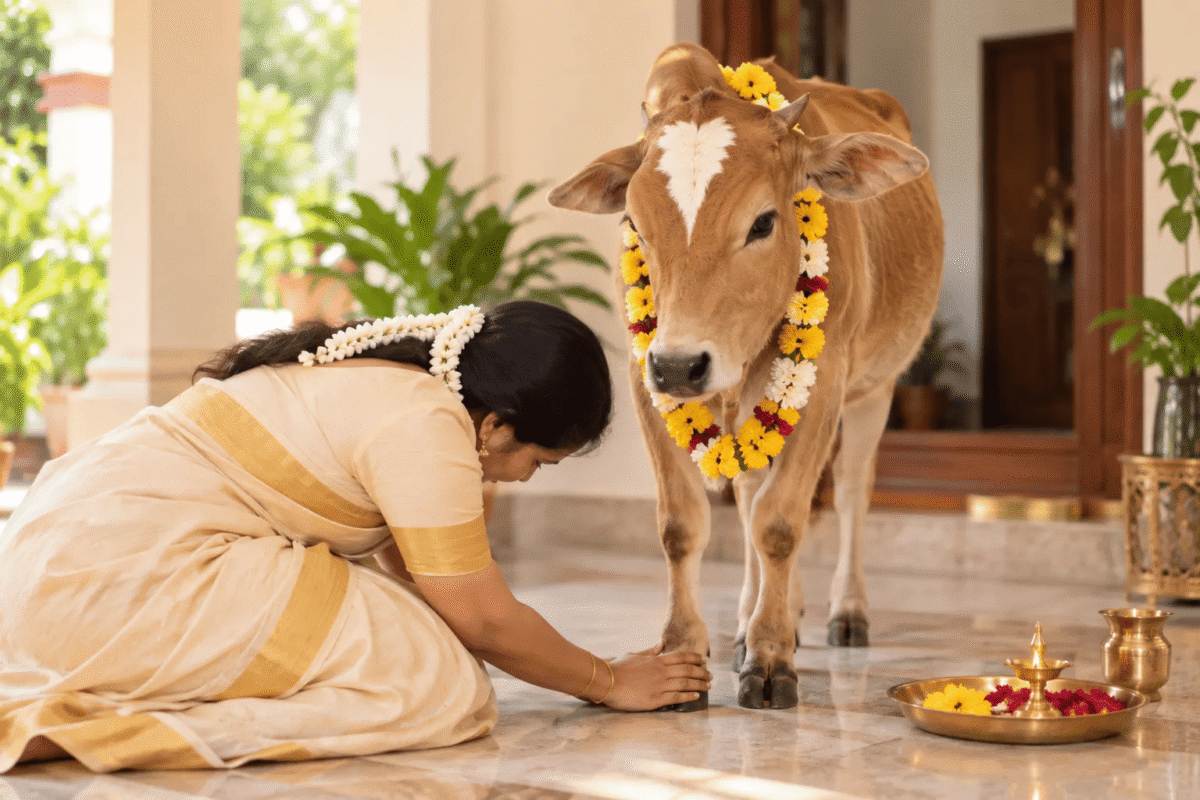
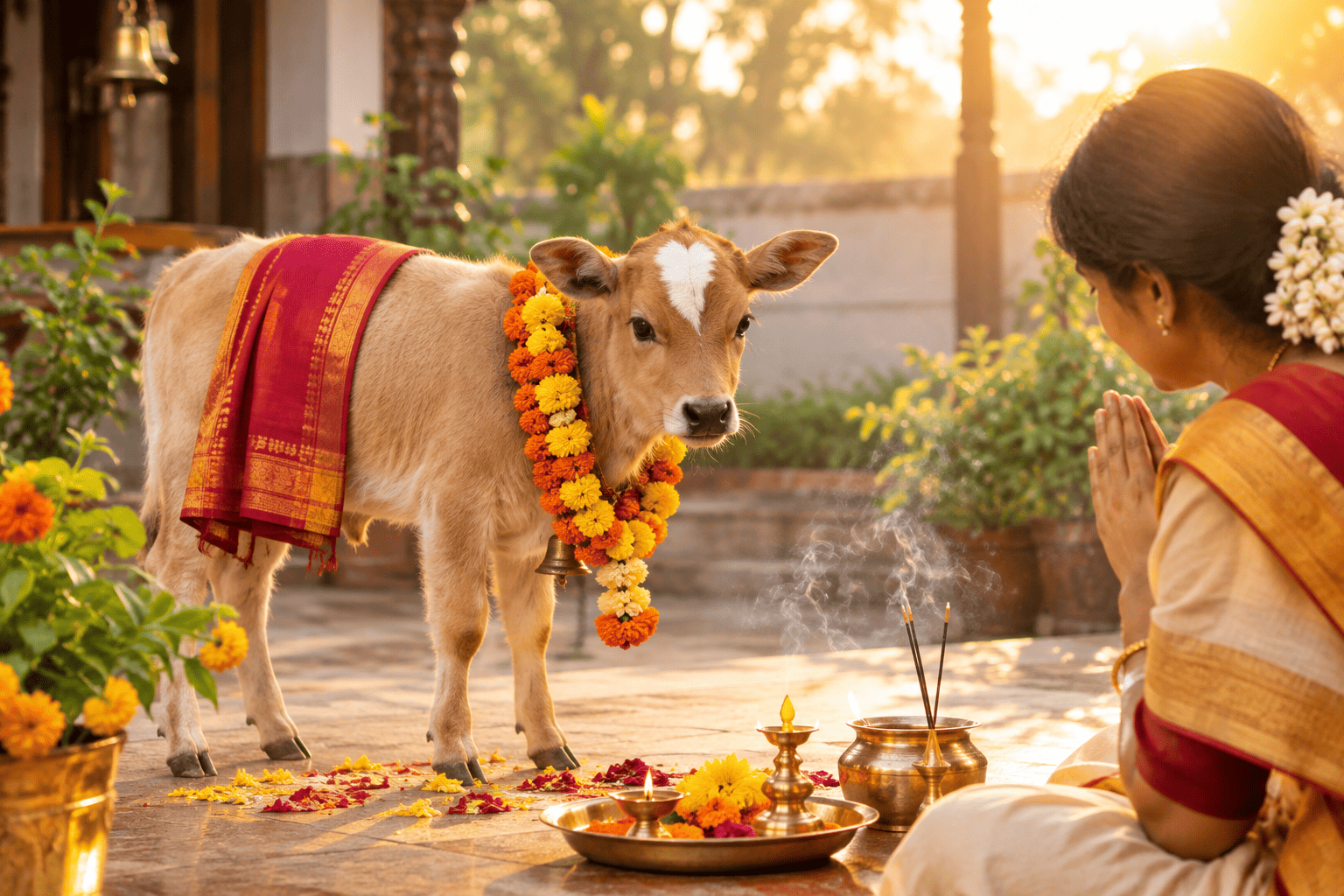
We have rituals that involve our hands and rituals that involve our hearts. The pooja benefits of this sacred cow ritual go beyond the ceremony itself. This act of devotion involving the cow has been performed by devoted individuals for centuries with their prayers, their garlands, their offerings, and most of all their reverence. But this ritual is not merely an act of devotion.

So, what makes people return to this sacred practice again and again?

More Than Just a Morning Ritual

In Hindu society, the cow is associated with nurturing, which includes childbirth, nurturing, cleanliness, and fertility. Therefore, when one does a cow pooja, they pay homage to God in return for their blessings.

In addition, doing the pooja can provide a chance for some peace amidst a hectic routine. It allows one to pray and be grateful.

Cow Pooja

Pooja Benefits Devotees Seek

Different families may follow different customs. However, devotees often associate cow pooja with:

Doing cow pooja can provide one with peace and calmness in difficult situations. At the same time, it can be an indication of prosperity and abundance in the lives of the members of the family. It involves building spiritual strength through devotion and dedication while bringing the family together and making their bonds stronger.

Doing cow pooja can mean that you appreciate nature and the animals, along with the good things in your life.

The pooja benefits come from spiritual and cultural beliefs and are not scientifically proven. The fact still is that the ritual’s emotional significance is very strong among believers.

Why Are People Still Drawn to It?

Life in today’s world offers innumerable opportunities for rushing. However, the ancient rituals teach one to stop and take a break from the rush.

It is possibly the subtle magic of the cow pooja. It is not the ritual itself that can make a difference; the attitude it inspires may change everything.

Experience the Spiritual Pooja Benefits

If your family wants to honour this beautiful tradition, you don’t have to wait for a special occasion.

Book a cow pooja today and create a sacred moment of devotion, gratitude, and togetherness for your family.

Could Small Cattle Really Transform Sustainable Farming?

Mini cows may seem strange, but these miniature breeds of cattle may offer a good answer to some of the problems facing modern cattle ranching. The mini cow, with its small size and reduced resource needs, is catching the eye of many agriculturalists.

What Makes Small Cattle Different?

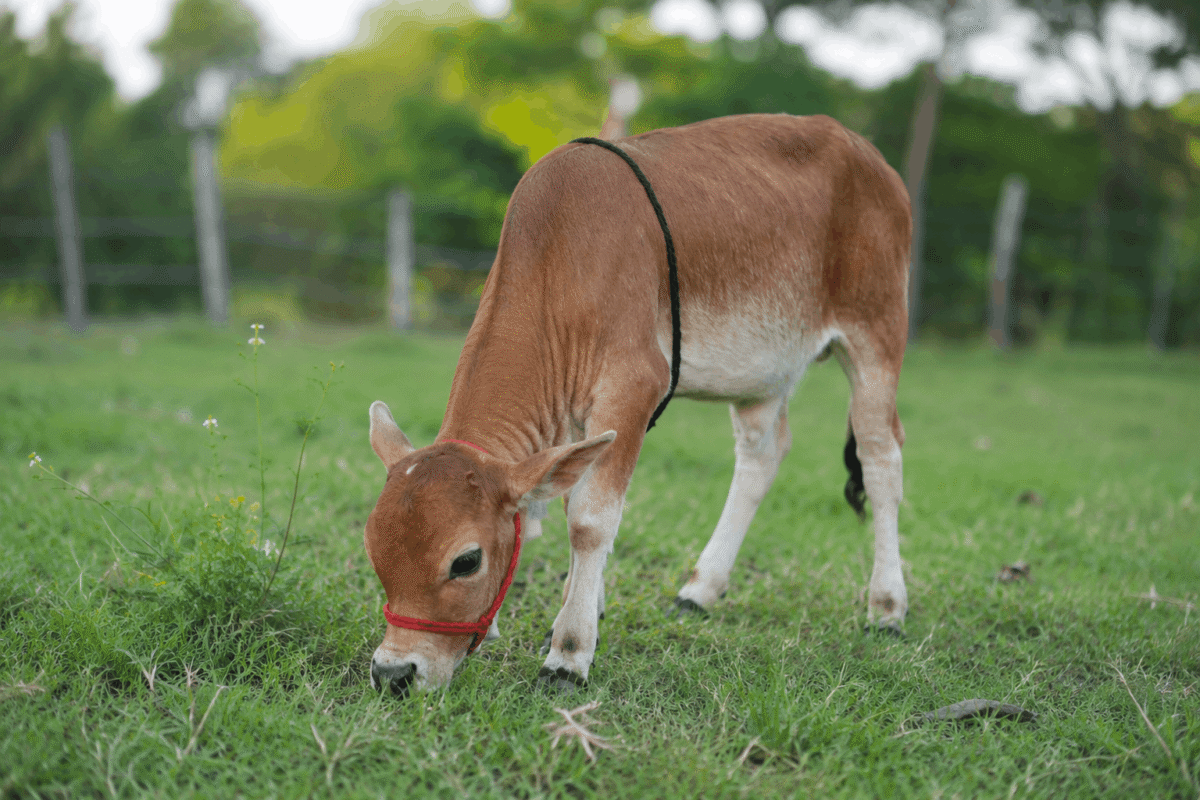
Whereas normal cows are large animals, miniature cows are usually under a metre tall. The small size of their body means that they need little space and food compared to normal cows.

Many farmers have realized that several miniature cows can be kept on a piece of land that would normally accommodate a few normal cows. This may be beneficial to many farmers who have small plots of farmland.

Key potential advantages include:

  • Requires less space: The mini can be reared on smaller spaces.
  • Needs less fodder: Their small physique means that they need less fodder compared to regular cattle.

Miniature Cattle

  • Might emit low levels of methane: The small cattle could have low levels of methane emissions per animal.
  • Ideal for small-scale farmers: They could be ideal for those having smaller farms.
  • Good meat quality: Some of the mini cattle breeds are good because of their beef quality.

Could Small Cattle Be Better for the Environment?

Cattle farming is usually mentioned in the context of greenhouse gas emissions, especially methane. As miniature cattle require less feed, the proponents claim that they may offer a better way of conducting animal farming.

Miniature cows are not an end-all solution to the environmental problems in agriculture. They can have their own set of advantages, which may depend on factors like breed and feeding system.

Mini Cows Have a Long History

Even though miniature cows appear to be a new concept, small cows breeds have been around for ages. In the past, smaller animals were very helpful to farmers with limited land available.

Nowadays, there is an increasing popularity of such cattle because farmers try to experiment with different livestock models.

Interested in Mini Cow Adoption?

Miniature cows have the potential to be much more than just something interesting to look at within the agricultural sector; they can also become very intriguing pets in the right setting. If the conditions for mini cow ownership are met, you should definitely consider adopting one.

References Link:
https://www.theguardian.com/environment/2010/jul/25/miniature-cattle-environmentally-friendly-beef

Could BVDV Protection Protect Your Mini Cow From Hidden Risks?

You step out to find your mini cow contentedly grazing, looking happy, healthy, and full of life. You pet her gently and figure that everything is all right. But what if a virus is affecting her well-being without her showing any symptoms? BVDV protection starts with understanding this hidden health risk and knowing how to protect the mini cow you love.

Bovine Viral Diarrhea Virus (BVDV) may infect cows, even mini cows. What makes this virus dangerous is that sometimes the sick cow does not appear to be critically ill. For those families that take care of their mini cows as pets, the knowledge of BVDV might save not only one cow but all of them.

Why Should Mini Cow Owners Be Concerned About BVDV?

BVDV is a contagious virus that may be spread between cattle via bodily fluids and close contact. The infected animal can spread the virus in its discharge and other materials, and infect other cattle.

The worrying part? It is not always apparent that a cow is sick when carrying the virus.

This is because an owner could unwittingly introduce an infected animal into a small herd. Prevention and good health maintenance are particularly important for mini cow families, because the animals live so close together.

What Signs Should You Never Ignore?

Every unusual change in your mini cow deserves attention. BVDV can cause different signs depending on the animal and infection.

Look for:

  • Diarrhea or digestive problems
  • Fever or decreased appetite
  • Nasal or eye discharge
  • Coughing or breathing difficulties

  • Losing weight or growing less than normal
  • Reproductive problems
  • Weak/Unthriving calves

Even if symptoms appear to be mild, talking to a vet can help identify the situation.

Could BVDV Put a Future Calf at Risk?

It is a particularly crucial stage for those looking forward to having a healthy baby calf.

If a mini cow gets infected with BVDV at some stages of pregnancy, there might be a likelihood that the disease affects the calf. The disease might result in abortions, stillbirths, developmental abnormalities, or persistently infected calves.

Some persistently infected animals look quite healthy but shed the virus constantly. One such healthy animal can become a silent carrier of the disease for others.

How Can BVDV Protection Keep Mini Cows Safe?

Protecting your mini cows starts with prevention. A few careful steps can reduce avoidable risks:

  • Test: Consult your veterinarian on a proper BVDV test.
  • Quarantine: Maintain quarantine for new arrivals until their health condition is determined.
  • Vaccination: Talk to your veterinarian about a proper vaccination plan against BVDV.
  • Pregnancy protection: Provide more focus and veterinary attention to the breeding stock of cows.

 BVDV Protection

  • Watch closely: Test new cattle before introducing them to the herd.
  • Increase biosecurity measures: Avoid interaction with strange cattle and maintain cleanliness of equipment used.

BVDV Protection for Healthier Mini Cows

Your mini cow is not just cattle. It may be the animal that your family is feeding every morning, the friendly face that your children adore, or the animal that greets you at the fence.

This is why information about BVDV protection in mini cows is important.

It is impossible to foresee every danger to the health of animals. But with the help of a veterinarian, the necessary tests, vaccination, breeding management, and proper biosecurity, you can really help your mini cows have a better and safer existence.

Because if an animal relies on you, a little prevention goes a long way.

References Link: https://pmc.ncbi.nlm.nih.gov/articles/PMC5674437/

Why Does India’s Tiny Punganur Cattle Have Such Big Benefits?

Why is a little cow so precious? The Punganur Cattle Breed is a small, versatile native breed from Andhra Pradesh, India. Known for its unique milk qualities and adaptability, it remains valuable to small farmers and India’s agricultural heritage.

What Are the Benefits of Punganur Cattle?

The small size and traditional adaptability of the breed provide several practical benefits, especially for small and marginal farmers.

The following are key benefits of Punganur cattle:

Easy to keep in small herds: 

  • Can be kept in small herds without much trouble.
  • Body size is a factor that may reduce feed requirements – a smaller body size will have fewer maintenance requirements than a large body size.
  • Traditionally adapted to local conditions of Andhra Pradesh.

Health Cow

  • It can be useful for small-scale farmers with limited land resources.
  • Punganur cow milk is known for its high fat content of around 5%, though the level varies with the cow’s health and diet.
  • Protection of the native genetic pool will assist in preserving precious livestock diversity in India.

It isn’t necessary to speak of Punganur milk as miraculous, but one thing is certain it has more fat compared to the milk of other breeds.

Why Is This Breed So Rare?

The cattle population of Punganur cattle has declined over the years due to a shift in farming systems, crossbreeding, etc. This is particularly significant for the conservation effort. Conserving the breed is important to maintain genetic diversity that may be beneficial in the development of other livestock breeds in the future.

Healthy populations of this unique native breed can be maintained through conservation programs, genetic resource preservation, and breeding programs.

Can This Breed Support Sustainable Farming?

Can Punganur cattle play a role in sustainable farming? Potentially, yes. They are interesting for small-scale and low-input farming because of their compact size and local adaptability and suitability.

Punganur cow

They are not meant to be used instead of all breeds of cattle but rather as an indigenous specialized option, which may have characteristics that fit certain types of farming.

Why Is the Punganur Cattle Small but Valuable?

Although the Punganur cow is of small size, it holds great significance to the agricultural tradition of India. The uniqueness of this breed lies in its physical attributes, adaptability, peculiarities in milk, and genetics.

How to Care for an Adopted Cow

Thinking about purchasing a Punganur cow? Use a reliable site such as theminicow to ensure you can properly care for, responsibly own, and help preserve this endangered native breed.

Give a cow a safe and caring home with theminicow and adopt a Punganur cow today.

References Link: Punganur Cow Benefits

Why Are People Raising Miniature Cows as Pets Instead of Livestock?

If the next animal to be a household favorite wasn’t a dog, cat, or rabbit, then what could it be? At first, it sounds like an unusual idea, but miniature cattle are subtly revolutionising the way people consider cows. In the past, the smaller breeds of cattle were reserved for farms, milk, meat, and agriculture, but these days, these super-cows are being cherished for a more unconventional reason: company.

It’s not just their size. Many of the owners consider miniature cows to be a different kind of beef on the farm, a personality-based, interaction-based, and emotional relationship that is not about productivity.

Why Are Miniature Cattle Becoming Companions?

Cattle have long been considered in an agricultural context. They were frequently associated with milk production, meat, breeding, and/or a working farm. Miniature cattle say otherwise.

Some people may wish to keep them on a hobby farm or rural property where commercial farming is not their primary focus, as they are smaller and easily seen and manipulated by the owner. Rather than the question of what this animal can produce, owners can ask themselves, “What kind of companion can this animal become?”

That shift is a part of a larger trend to retain animals as pets and not for productivity.

Why Do Miniature Cattle Appeal to Pet Owners?

Their appeal comes from several factors working together:

  • Personality: Each cow may display curiosity, sociability, calmness, and high reactivity to people they know.
  • Human interactions: Through patient handling from a young age, some will be used to being groomed, walked, and handled by humans.

Pet love

  • More compact physical size: They can appear more non-threatening due to their smaller size compared to regular cattle.
  • Lifestyle compatibility: They easily fit in the sphere of hobby farms and homesteads and small livestock farming.
  • Emotional attachment: Owners may form an emotional attachment to a cow similarly to that they would to other pets.
  • Attractive appearance: Their unique physical characteristics along with their gentle nature have also made them particularly well-loved by animal lovers.

But Is “Miniature” the Same as “Easy”?

This is where the cute image can become misleading.

A little cow is still a cow. It has grazing, nutritional, social, shelter, fencing, hoof-care, and veterinary requirements. A smaller body doesn’t take away the responsibilities of cattle ownership.

One further factor to be taken into account is companionship. Cattle are social animals and leaving one entirely alone because he/she is being treated as a “pet” may not be a suitable alternative to a group. Potential pet owners should consider all aspects of the animal’s habitat, including its cuteness factor in a backyard.

The Real Reason Behind the Trend

Perhaps the most interesting reason people choose miniature cows is not convenience at all. It is connection.

People are often separated from farms and animals by the modern way of life. For the owner, having a miniature cow can be a way to return to rural life and create a bond with an animal which is often regarded primarily as a working animal.

Miniature Cow

This is not to say that miniature cows are better than regular-sized cows. It only indicates that the function an animal can perform will vary based on how humans relate to it.

Miniature Cow for Adoption

Considering adding a tiny cow to your family? Adoption is not always about just taking a new pet it can be about providing a deserving cow with a place where it will have everything it needs. Before making a decision, find out everything you can about the cow’s character, past, diet, and living conditions.

Even though a mini cow may be small in size, the dedication will certainly not be small. Love at first sight, but do prepare yourself with information and ensure that you have the room, time, and dedication to make your new little buddy happy!


Source Link:
https://broadwayfamilyfarms.com/why-mini-cows