Is Your Mini Cow Showing Signs of Cow Urinary Problems?

If you notice that your miniature cow is urinating more or less frequently than normal, or is in discomfort whilst urinating, it may be an indication of an issue. As with all animals, miniature cows can suffer from urinary issues. If you notice any issues within your miniature cow’s urinary system, it is important to seek veterinary attention.

Gaining insight into your mini cow’s usual urination behavior will allow you to identify abnormal situations more quickly. What are the signs to pay attention to, and when should you be worried? Let’s discover.

What Are the Normal Urination Habits of a Mini Cow?

A healthy mini cow will not strain too hard to urinate, nor show signs of discomfort. But the frequency of urination may depend on age, food, intake of water, climate, exercise, and general condition.
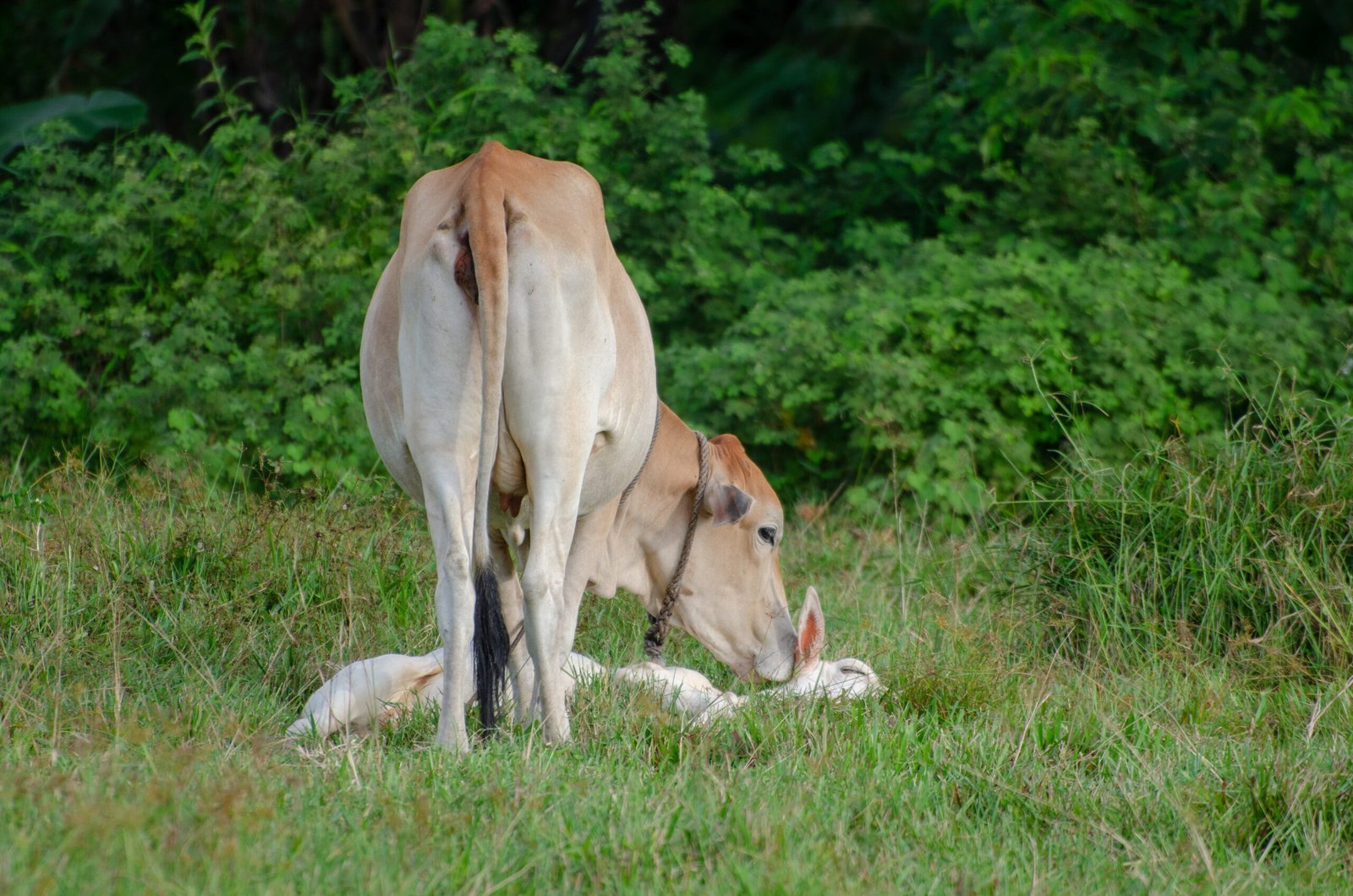
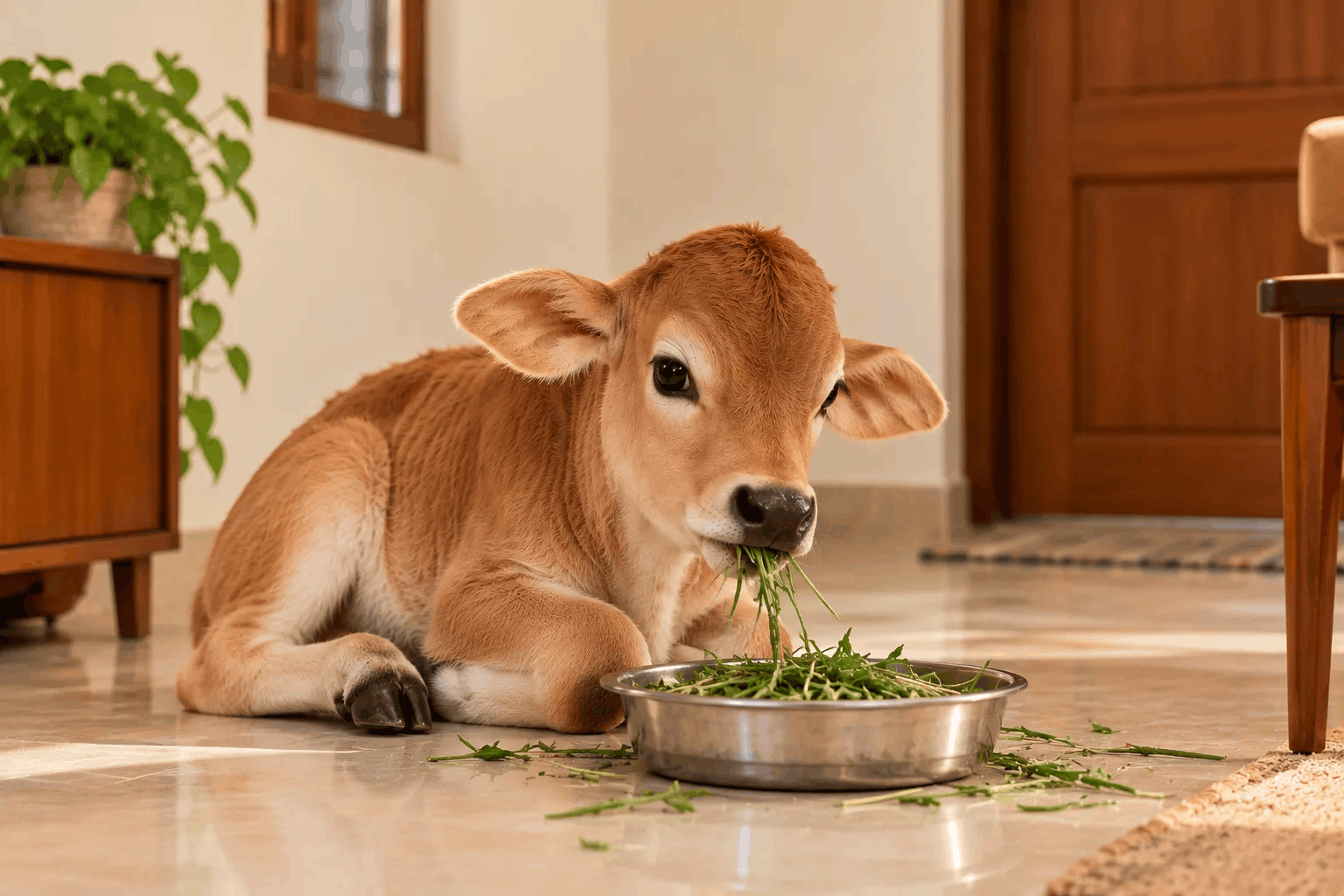
Cow Urinary Problems

You don’t need to pay attention to the frequency, you should pay attention to the normal urination of your mini cow! Check the condition of the urine and look for comfort on the part of your animal when urinating.

What Urinary Problems Can Affect Mini Cows?

Mini cows may have various urinary problems. Symptoms can include but are not limited to the following:

  • Cattle tend to have urinations: Your mini cow may be urinating more frequently than normal.
  • Straining to pass urine: This animal may be straining when passing urine or attempting to pass urine.
  • Urinate with minimal production: Your animal might dribble when trying to urinate.
  • Unusual urine: If your urine has changed colour in a way that is not normal, it could be an issue with your health.
  • Behavioural symptoms: Restlessness, repeated movements and posture changes indicate pain in the animal.

These signs are not an exclusive indicator of specific diseases. Your mini cow needs to be seen by a veterinarian to determine the cause.

What Causes Cow Urinary Problems in Mini Cows?

Several factors can contribute to Cow Urinary Problems in miniature cattle, including insufficient water intake, dietary changes, urinary tract infections, and urinary stones.

Cases in male cattle are specifically problematic when it comes to the issue of urinary obstruction as a result of kidney stones, which may leave them unable to urinate altogether.

Hence, repeated attempts to urinate need to be given sufficient attention if there is an absence of urine being produced.

How Can You Prevent Cow Urinary Problems?

Good daily care can help support your mini cow’s overall health and make unusual changes easier to notice.

Here are a few helpful practices:

  • Provide clean drinking water: Ensure fresh water is always available.
  • Maintain a balanced diet: Feed appropriate forage and a veterinarian-recommended diet.
  • Observe daily habits: Notice changes in urination frequency, behaviour, and appetite.
  • Keep the living area clean: Maintain a hygienic and comfortable environment.
  • Schedule regular veterinary check-ups: Professional examinations can help identify health concerns early.

When Should You Contact a Veterinarian?

Consult a veterinarian if your mini cow strains to urinate repeatedly, has discomfort and/or blood in the urine, or exhibits abnormal urination behaviors.
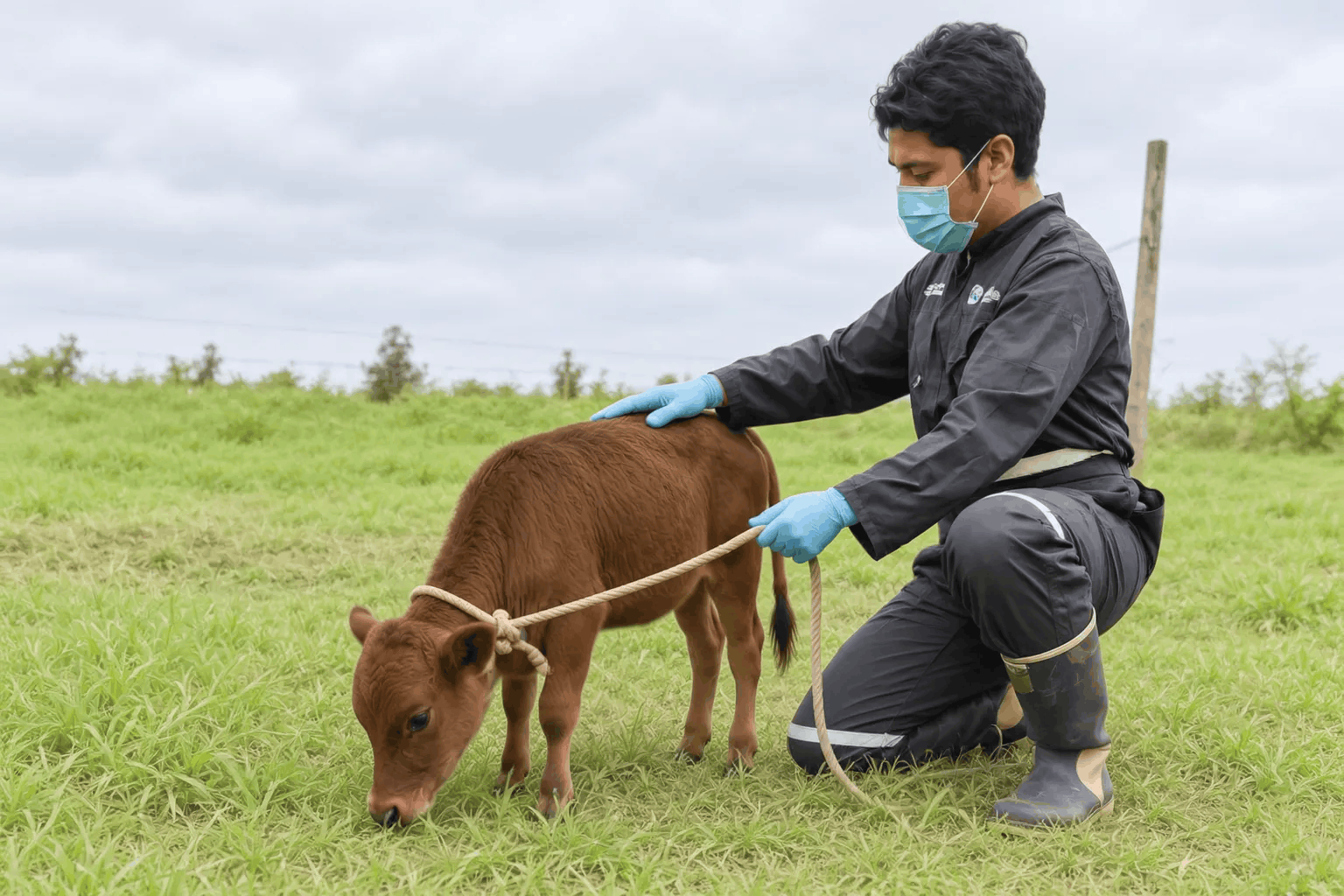
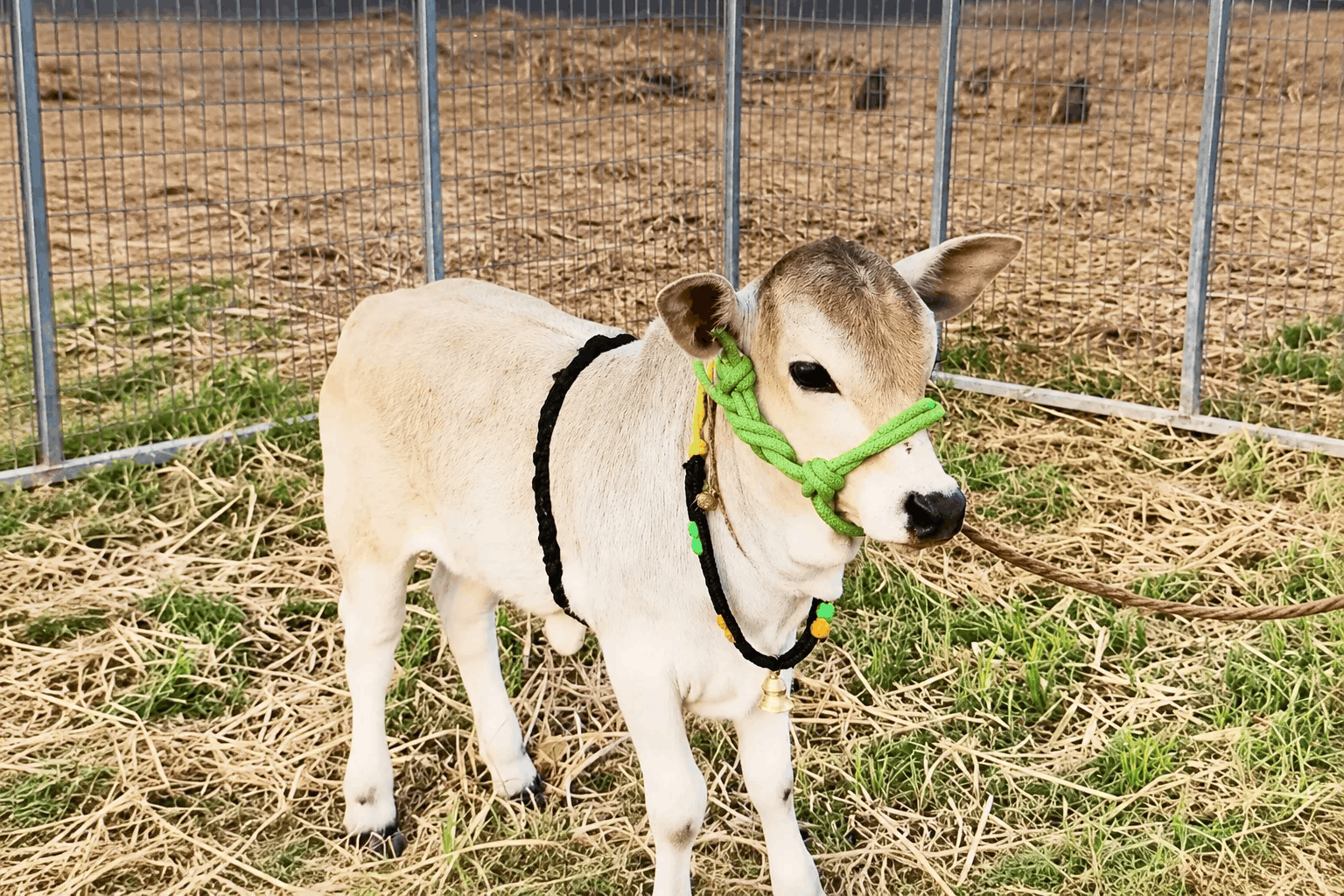
mini cow strains

Note: If your mini cow is trying to pee repeatedly but failing to do so, you should take her to the veterinarian’s office for emergency treatment – it’s important. Never wait for the symptoms to go away or treat it at home without help.

A Little Observation Can Make a Big Difference!

Although the mini cow cannot communicate its feelings, you can still use its behavior to glean some insight into its state of health. Continuously monitor the normal behavior of your cow, ensuring that it eats adequately and gets all required medical attention without delay.

Pay attention to any changes in the urination pattern of your mini cow. Properly taken care of by the vet, the animal will be kept in good shape.

References Link: https://www.researchgate.net/publication/260478539_Urinary_tract_infections_of_small_ruminants
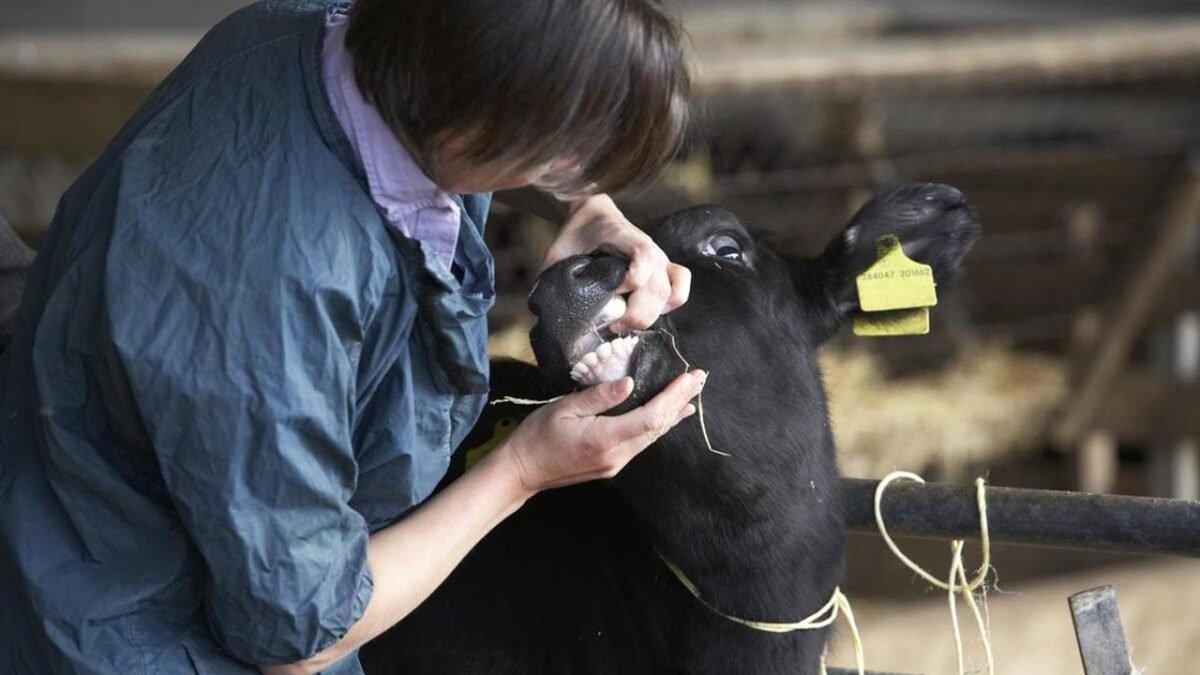
5 Warning Signs of Mini Cow Dental Problems to Watch

Those cute faces may have a problem that you’ll be surprised to know! Imagine your little cow racing up to its favourite snack and stopping halfway through the treat. At first, you may think it’s just being picky, but it may actually be painful for it to eat! It’s up to you to spot any dental issues your precious mini cow is having.

Why Do Mini Cows Have Teeth Problems?

Mini cows need to have healthy teeth and mouths to be able to chew their food (grass, hay, etc). They can suffer from dental problems such as trauma, mouth infections, and incorrect wear. This can affect their ability to eat properly. As they cannot tell us where they are in pain, we must look out for behavioural changes.

5 Warning Signs You Should Never Ignore

1. Is Your Mini Cow Turning Away From Its Favorite Food?

Have you noticed that your mini cow has been leaving some food behind in its bowl or having trouble chewing some of its favorite snacks? This can be indicative of oral pain or another problem with your cow’s health. Notice any abnormal behavior regarding your cow’s eating.

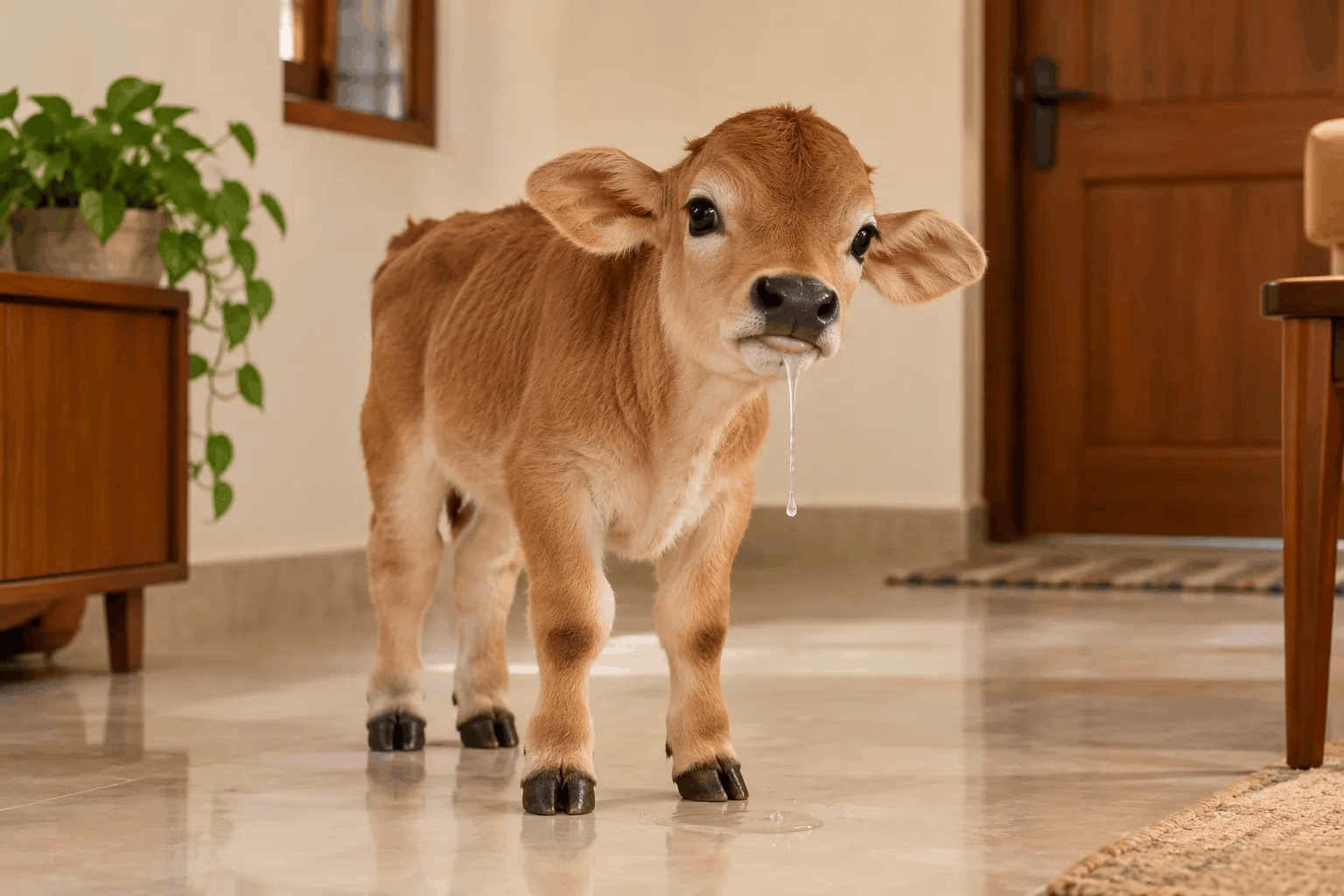
2. Why Is Your Mini Cow Drooling So Much?

Does your mini cow have more saliva than usual? Too much saliva might indicate that there is irritation in the mouth, injuries, or difficulty in swallowing. If this is the case for your mini cow, you should consult a vet.

Cow Drooling

3. Does Your Mini Cow Have Stinky Breath?

Bad breath that is constant in your miniature cow could be a sign that something might be wrong with the cow’s mouth. Watch out for any swelling, discharge, or even poor appetite in your miniature cow.

4. Is Your Mini Cow Getting Thinner?

If chewing becomes uncomfortable for your mini cow, then he may eat less and lose weight. Poor dental health is one reason why your animal may display such symptoms.

5. Is Your Mini Cow Chewing Strangely?

Picking up food, eating slowly, or constantly moving the head when eating can be signs of discomfort. A vet can help identify if there is a dental or oral issue, or another issue.

What Can You Do to Keep Your Mini Cow Healthy?

If you see anything unusual, these are a few easy tips to follow:

  • Monitor feeding patterns: Any decrease in appetite, chewing, or drinking.
  • Provide fresh water: Always provide fresh and clean drinking water.
  • Have veterinary visits: If it is suitable, allow a veterinary examination of the mouth and teeth of your cow.
  • Choose the correct feed: Feed as per the mini cow’s age and health.
  • Avoid home treatment: For repair or removal of teeth, don’t give any painkiller drug to a human, and do not attempt to repair or pull teeth.

mini cow's

When is it urgent? Seek veterinary help if your mini cow can’t breath, can’t swallow or is very swollen in its mouth. By not eating and a serious illness expression, it is necessary to make a timely response.

How Can You Prevent Mini Cow Dental Problems?

Dental problems can still happen. Taking action in your pet’s veterinary care, diet, and spotting signs early on can make a difference. To get advice for your pet, reach out to your large animal veterinarian or the veterinary teaching hospital in your area.

Final Thoughts: Could Your Mini Cow Be Asking for Help?

A small change in eating behavior may be a clue that something is wrong. Paying attention can help you get your cow the care it needs.

Calling all mini cow lovers! Have you noticed any unusual chewing or eating habits in your cow? Share your experience in the comments, and share this article with someone who loves these adorable animals!

References Link: https://pmc.ncbi.nlm.nih.gov/articles/PMC12873492/

Mini Cow leg Swelling Why Does It Happen and How Can You Help

Swollen legs in mini cows may seem like a minor problem, but they can sometimes signal a more serious health issue. From hoof injuries to infections, several conditions can cause swelling and discomfort. Knowing what to look for and when to call a veterinarian can make a big difference in keeping your mini cow healthy and comfortable.

Common Causes of Mini Cow Leg Swelling

Mini cow leg swelling can have multiple causes, and being able to identify the cause can help you give your animal the treatment it needs.

  • Injuries and sprains: slipping on wet ground, falling, or stepping on a hard object may injure the leg and cause swelling.
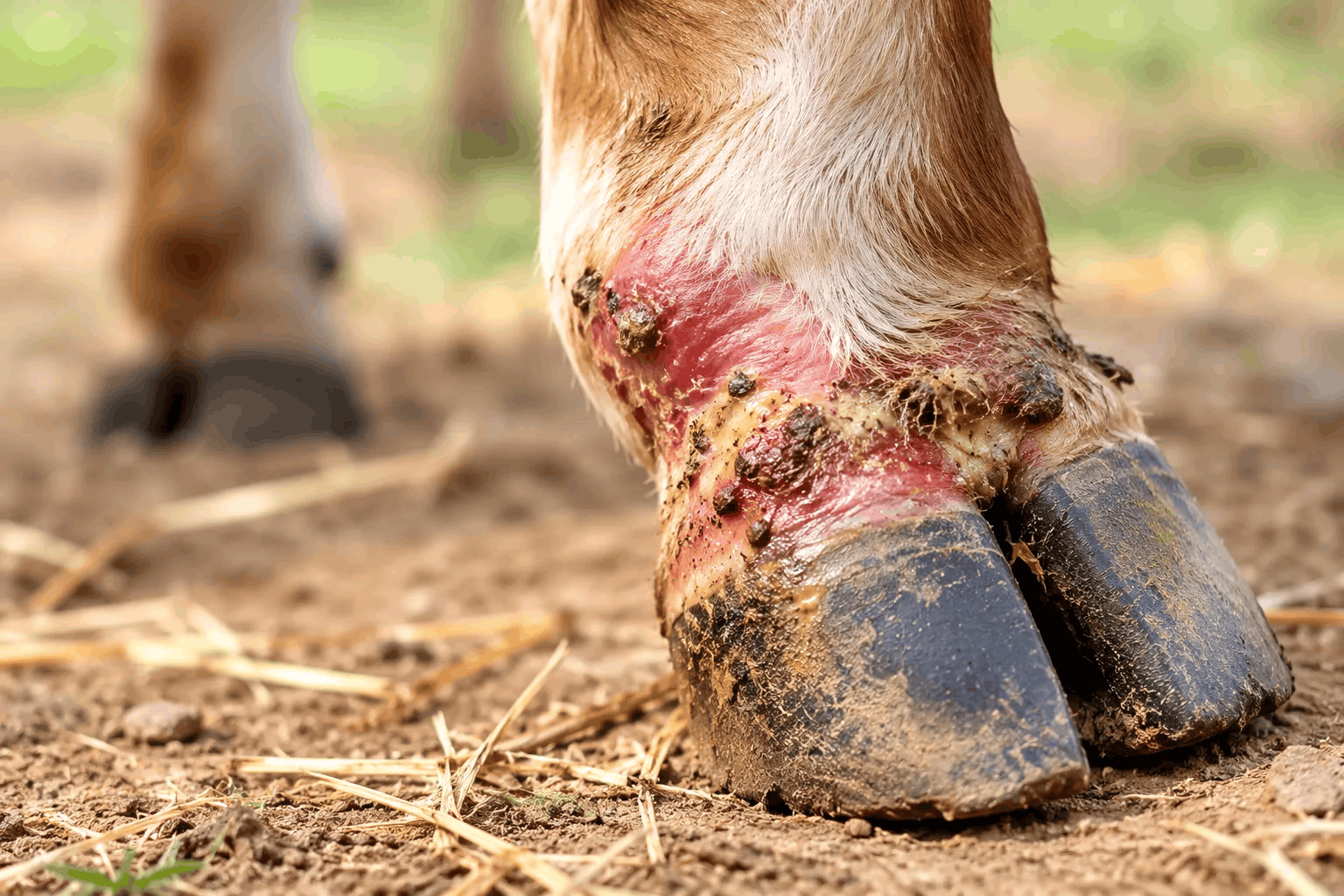
  • Hoof problems: Overgrown hooves, cracks, or infections between the claws can cause pain, inflammation, and difficulty walking.
  • Infections: Incisions, wounds, or infections can lead to swelling, warmth, redness, and tenderness

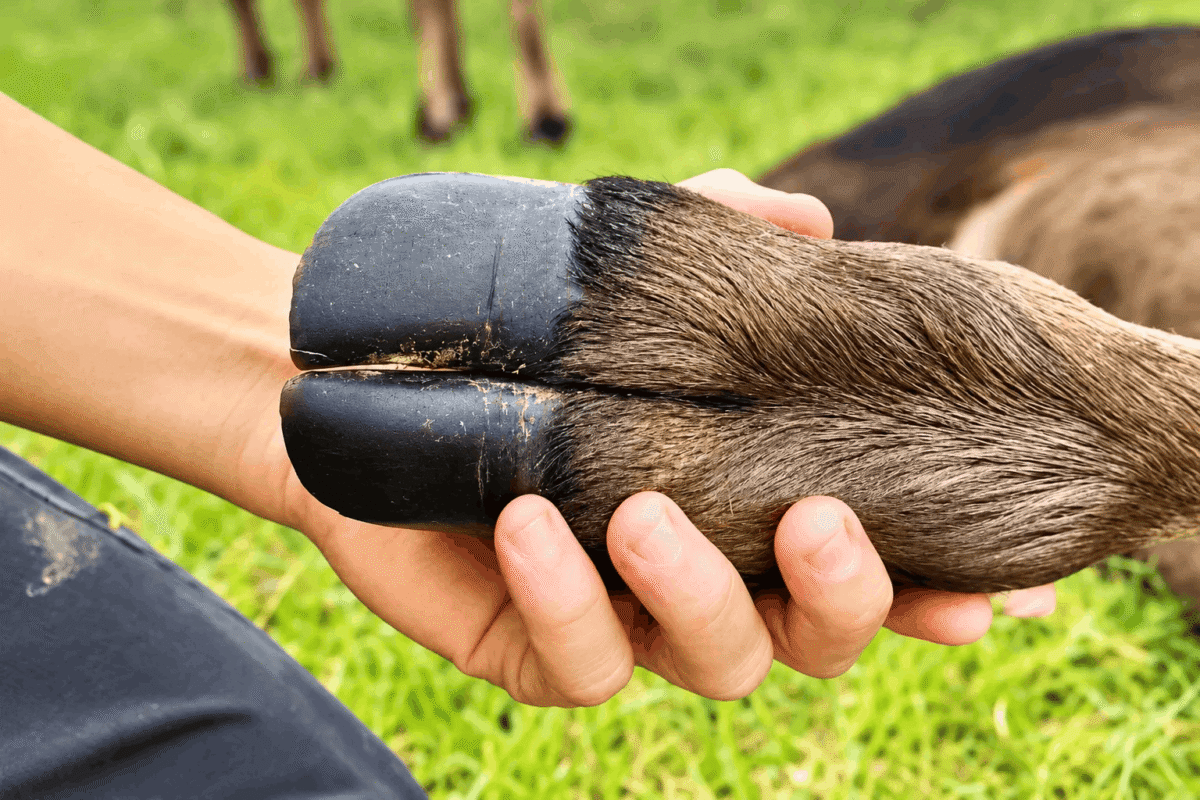
Hoof problems

  • Joint inflammation: Problems occurring in the joints are associated with discomfort during movement and stiffness.
  • Insect bites: Some bites or stings can trigger localized swelling and irritation.
  • Fluid buildup: Swelling due to fluid can sometimes be the result of a circulation issue or an underlying medical condition.

Signs You Should Watch For

Swelling may be difficult to detect, particularly in miniature cows with dense fur. Be sure to frequently examine your miniature cow’s legs, hooves, and walking behavior.

Warning signs include:

  • Limping or reluctance to bear weight on the affected leg
  • Warmth, redness, or tenderness near the swelling
  • Wounds, cuts, or drainage
  • Loss of appetite or fatigue
  • Fever or problems standing

If the swelling develops suddenly, becomes severe, or is accompanied by fever or an inability to stand, contact a veterinarian immediately.

How Can You Treat Mini Cow Leg Swelling?

Keep your mini cow in a clean and dry place with a good floor to avoid getting hurt again. In case you think that he or she might have a leg injury, try to let it rest and inspect the spot for any injuries or foreign objects.

miniature cow

Do not make your cow walk unnecessarily or give it any medication without a vet’s advice. Leave the task of exploring the cause of the injury and the required treatment to the professional. Do not attempt to treat large wounds or drain the swelling on your own.

Monitor the progress of the swelling, loss of appetite, and changes in the cow’s gait. If you notice that the swelling is getting worse, or the cow is limping severely, seek the help of a veterinarian.

Mini Cow Care: Keep Your Cow Healthy and Comfortable

Good daily care can reduce a lot of leg troubles. Balanced food, plenty of clean water, good bedding, regular hoof inspections and enough room to move around. Avoid the slippery, pitted or rough ground in their walking places.

If you need any help with your mini cow’s care, make sure to hold regular health inspections and consult a trusted and experienced vet in case of any unusual swellings, limping, or behavior. By providing complex mini cow care and supervision, you will help your animal to stay healthy and happy.

References Link: https://www.researchgate.net/figure/Cow-with-swelling-of-legs-dry-necrosis-and-gangrenous-lesion_fig1_316990376

How Is Technology Making Cow Care Smarter Today?

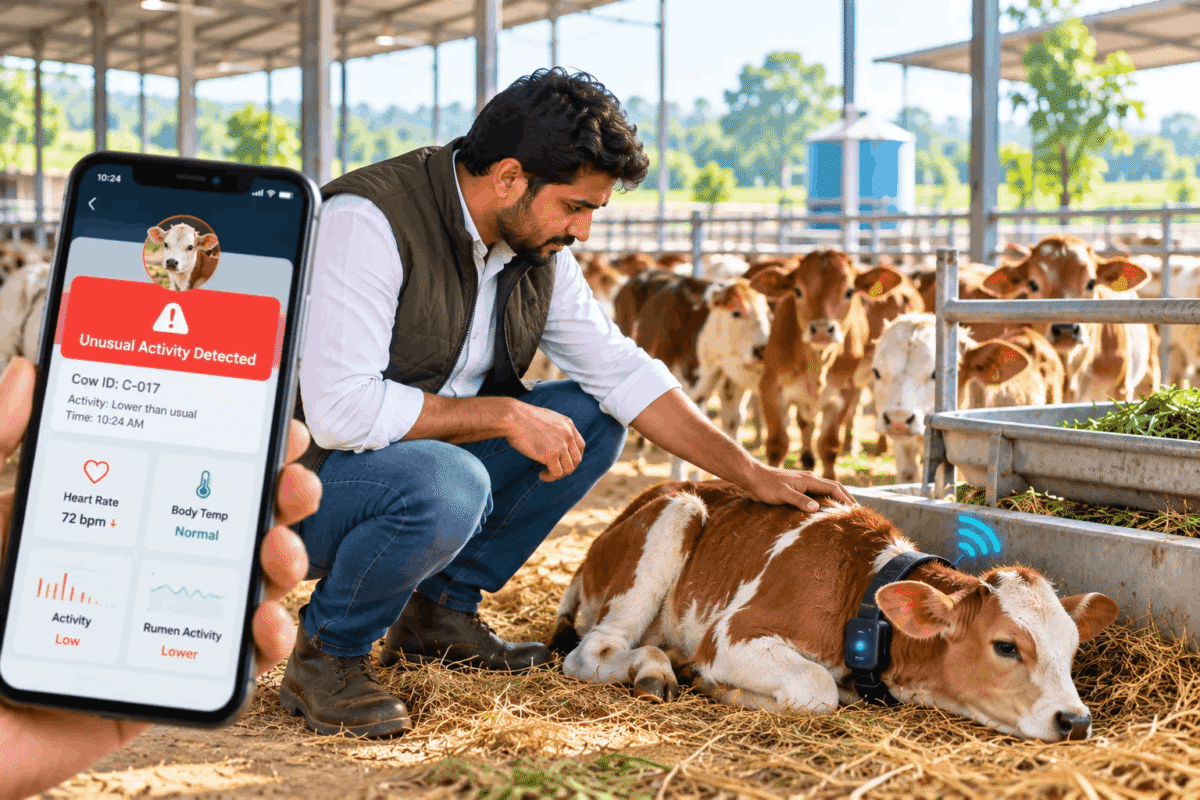
What if farmers could know when a cow needs attention before the problem becomes obvious?

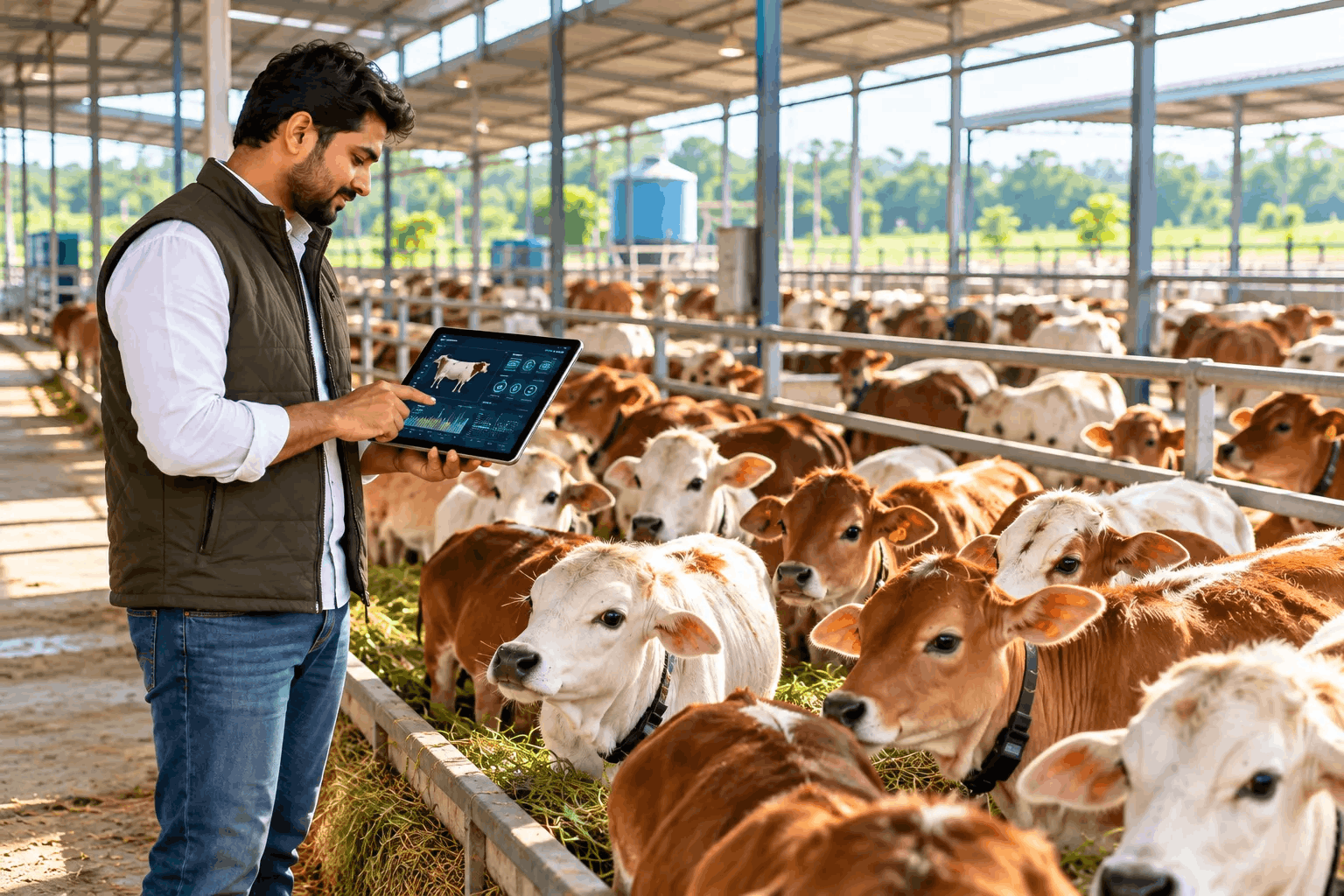
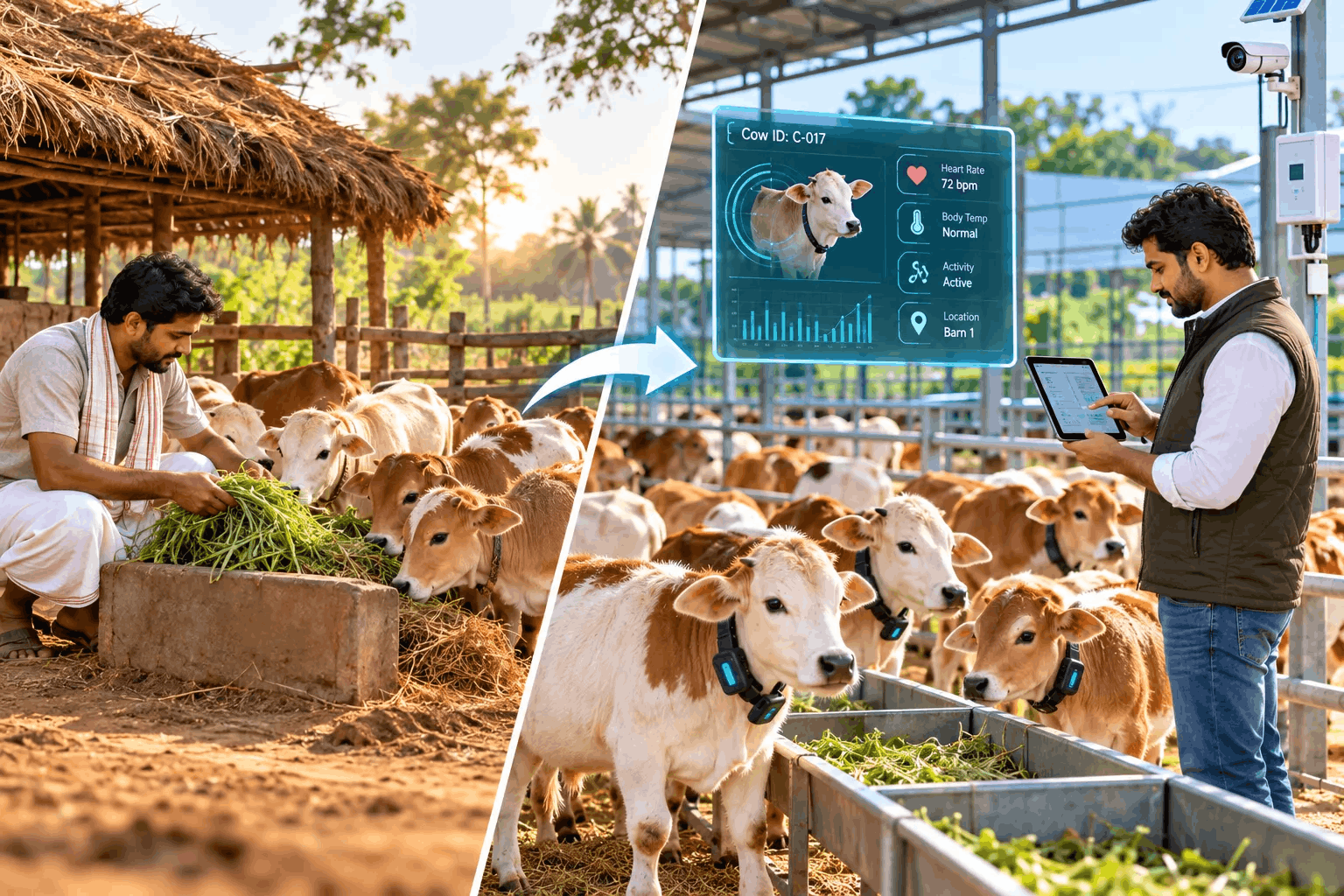
Cow farming is becoming an intelligent industry. Rather than relying solely on visual inspections, modern farmers can now take advantage of modern technology to monitor their cattle all day long.

Through smart technology, farmers can get valuable data about the movements of their cattle, how often they eat, and even their body temperature, among others.

1. Smart Monitoring Keeps an Eye on Every Cow

Taking care of a couple of cows is one thing, but tracking a herd is difficult. Smart cow-care technology can assist farmers by using sensors to gather information about each animal throughout the day.

These systems may monitor:

  • Movement and activity behaviors
  • Feeding and drinking behaviors
  • Behavioral changes
  • Body temperature
  • Resting and moving behaviors

This information gives farmers a clearer picture of how their cattle are behaving.

2. Cow-Care Alerts Could Make a Big Difference

Behavioral change may indicate problems in cows. Yet, it is not easy to detect behavioral changes, especially when dealing with many cattle at a time.

An intelligent monitoring system would be able to detect abnormal activity and alert the farmer.

mini cow

For instance, when the cow becomes less energetic all of a sudden, the farmer can do something about it sooner rather than later when he does a check-up.

The objective is straightforward: recognize irregular behavior and react promptly.

3. Smarter Cow-Care Monitoring From a Phone

Today’s cattle management systems can transmit information straight to a smartphone or tablet.

In place of having to walk through the entire herd to gather basic information, farmers simply need to go to one location and consult digital data.

This can help with:

  • Individual cow monitoring
  • Monitoring herd behavior
  • Organizing their day
  • Spotting cows requiring more observation
  • Maintaining valuable records

4. Technology Doesn’t Replace the Farmer

Advanced technology should not necessarily serve as a replacement for direct work with livestock.

A farmer should continue to watch the animals, feed them properly, keep the barns clean, and go to a veterinarian when needed.

Cow Health

Technology can serve as additional eyes which give additional data that cannot always be obtained.

The Future of Cattle Farming Is Getting Smarter

From conventional farms to dairy farms, technology is ushering in new ways of tracking the health of cattle and organizing farm operations.

The future might not necessarily be about raising more cattle it might be about knowing more about each one of them.

Advanced tracking. Prompt attention. Informed cattle management.

References Link: https://pmc.ncbi.nlm.nih.gov/articles/PMC10000156/

Are Your Mini Cow Vaccines Enough to Prevent Diseases Today?

“Doctor, my mini cow seems to be in perfect health. Why should she have any special needs?”

This is one of the usual queries that veterinarians like myself get from mini-cow owners. Especially when discussing mini-cow vaccines. My response is very straightforward – just because an animal looks healthy does not mean that it actually is.

Proper nutrition, sanitation, healthcare, and vaccinations are essential for even the mini-cows. It may be an issue because mini-cows are viewed as pets, and some cattle health practices may be ignored.

Start With the Right Nutrition

Proper feeding forms the basis of good health for your mini cow. It is recommended to feed your animal good quality forage and/or pasture, together with minerals and supplements as required.

Mini Cow Nutrition

Do not feed your mini cow large quantities of grain or rich snacks just because she likes eating them. Mini cows tend to become over-conditioned when not fed properly.

The nutritional needs of mini cows may differ depending on various factors such as age, pregnancy, lactation, exercise needs, body condition, among other health considerations. If you are not sure about the amount of feed that should be fed to your animal, seek advice from your vet.

Hygiene Is Your First Line of Defense

When I look at your cattle, I always tell you how much the environmental surroundings of your animal affect the health of your cattle.

If there is too much manure, wet bedding, dirty water buckets, or poor drainage in the pen of your cattle, then chances are that you are increasing the risk of infections in your cattle.

What Should Every Mini- Cow Owner Check?

  • Fresh, clean drinking water should be available every day.
  • Feed should be clean, fresh, and free from mold.
  • Manure and wet bedding should be removed regularly.
  • Feeders and water containers should be cleaned frequently.
  • Hooves should be checked regularly for overgrowth or abnormalities.
  • Observe the eyes, nose, skin, coat, appetite, and manure for changes.
  • New or sick animals may need separation to reduce disease transmission.
  • Parasite control should be based on veterinary advice and local risk.

Mini Cow Daily Care

Vaccination: Don’t Wait for Disease

The largest error owners can commit is believing that vaccines are important only after a disease has been diagnosed.

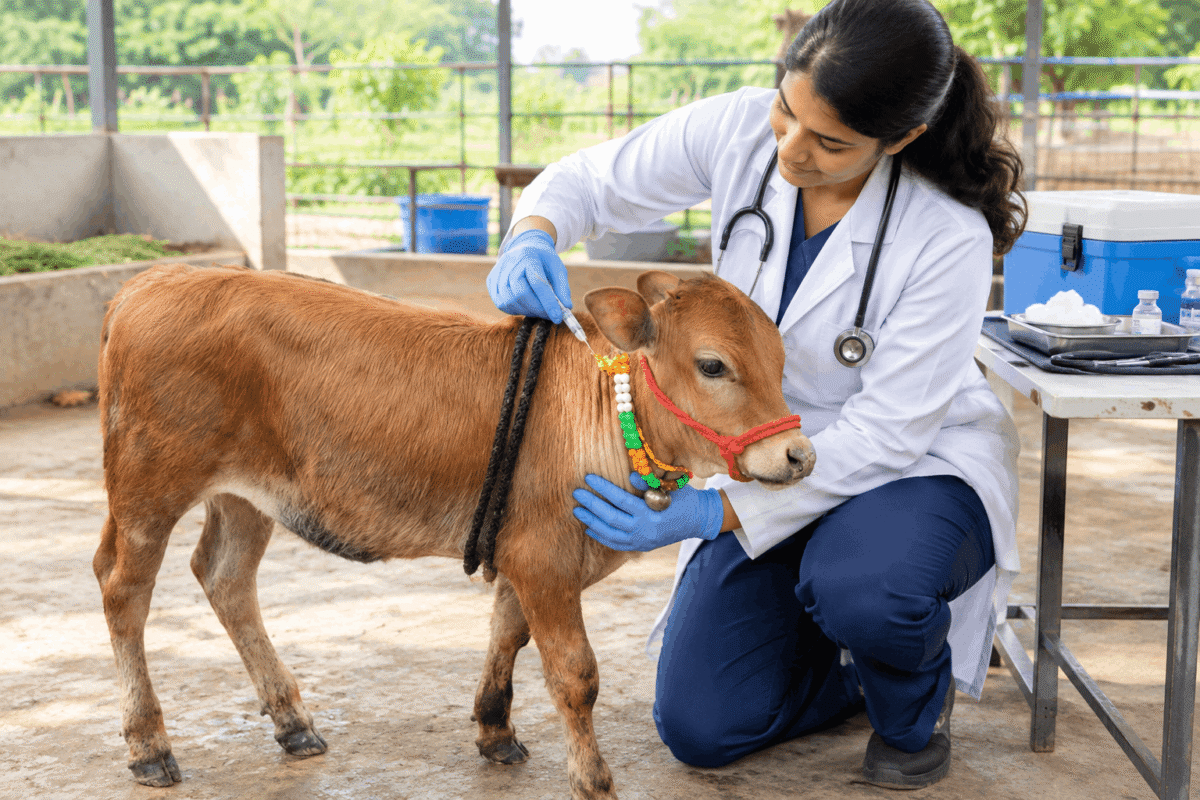
Vaccination is considered a preventive healthcare practice. For a mini cow, proper vaccination protocol will depend on a number of things such as age, geographical location, herd exposure, pregnancy state, past vaccination records, and common diseases in the area.

As a veterinarian, I do not advise that you simply follow the vaccination program of another cow. There are some vaccines that may need several doses before they are given again at regular intervals.

Your veterinarian will be able to create an immunization program for your mini cow based on its specific needs.

Mini Cow Health Checks and Vaccination

Seeking veterinarian services for your mini cow should not be based on it losing appetite or falling ill.

Sometimes variations in your pet’s appetite, behavior, physical condition, respiration, excrement, urination, movement, etc., may serve as early warning signs. Veterinary exams will allow potential health issues to be detected at a much earlier stage.

Healthy Mini Cow Starts With Prevention

As a vet myself, I recommend that owners of mini-cows concentrate not only on curing but also on preventing disease through regular practice.

Feed your mini cow properly, keep hygiene levels high, administer vaccines according to the advice of your vet, keep parasitic levels low, and watch out for your mini cow.

Because, as far as your mini cow’s health is concerned, an ounce of prevention is worth a pound of cure.

References Link: https://pmc.ncbi.nlm.nih.gov/articles/PMC8595237/

Could BVDV Protection Protect Your Mini Cow From Hidden Risks?

You step out to find your mini cow contentedly grazing, looking happy, healthy, and full of life. You pet her gently and figure that everything is all right. But what if a virus is affecting her well-being without her showing any symptoms? BVDV protection starts with understanding this hidden health risk and knowing how to protect the mini cow you love.

Bovine Viral Diarrhea Virus (BVDV) may infect cows, even mini cows. What makes this virus dangerous is that sometimes the sick cow does not appear to be critically ill. For those families that take care of their mini cows as pets, the knowledge of BVDV might save not only one cow but all of them.

Why Should Mini Cow Owners Be Concerned About BVDV?

BVDV is a contagious virus that may be spread between cattle via bodily fluids and close contact. The infected animal can spread the virus in its discharge and other materials, and infect other cattle.

The worrying part? It is not always apparent that a cow is sick when carrying the virus.

This is because an owner could unwittingly introduce an infected animal into a small herd. Prevention and good health maintenance are particularly important for mini cow families, because the animals live so close together.

What Signs Should You Never Ignore?

Every unusual change in your mini cow deserves attention. BVDV can cause different signs depending on the animal and infection.

Look for:

  • Diarrhea or digestive problems
  • Fever or decreased appetite
  • Nasal or eye discharge
  • Coughing or breathing difficulties

  • Losing weight or growing less than normal
  • Reproductive problems
  • Weak/Unthriving calves

Even if symptoms appear to be mild, talking to a vet can help identify the situation.

Could BVDV Put a Future Calf at Risk?

It is a particularly crucial stage for those looking forward to having a healthy baby calf.

If a mini cow gets infected with BVDV at some stages of pregnancy, there might be a likelihood that the disease affects the calf. The disease might result in abortions, stillbirths, developmental abnormalities, or persistently infected calves.

Some persistently infected animals look quite healthy but shed the virus constantly. One such healthy animal can become a silent carrier of the disease for others.

How Can BVDV Protection Keep Mini Cows Safe?

Protecting your mini cows starts with prevention. A few careful steps can reduce avoidable risks:

  • Test: Consult your veterinarian on a proper BVDV test.
  • Quarantine: Maintain quarantine for new arrivals until their health condition is determined.
  • Vaccination: Talk to your veterinarian about a proper vaccination plan against BVDV.
  • Pregnancy protection: Provide more focus and veterinary attention to the breeding stock of cows.

 BVDV Protection

  • Watch closely: Test new cattle before introducing them to the herd.
  • Increase biosecurity measures: Avoid interaction with strange cattle and maintain cleanliness of equipment used.

BVDV Protection for Healthier Mini Cows

Your mini cow is not just cattle. It may be the animal that your family is feeding every morning, the friendly face that your children adore, or the animal that greets you at the fence.

This is why information about BVDV protection in mini cows is important.

It is impossible to foresee every danger to the health of animals. But with the help of a veterinarian, the necessary tests, vaccination, breeding management, and proper biosecurity, you can really help your mini cows have a better and safer existence.

Because if an animal relies on you, a little prevention goes a long way.

References Link: https://pmc.ncbi.nlm.nih.gov/articles/PMC5674437/

5 Adorable Rakhi Moments for Special Cow Affection

What do you get if you combine the warmth of Rakhi with the simple innocence of a mini cow? You receive a party of love, tenderness, and Cow Affection, creating beautiful and memorable moments. Although it may not be possible for the mini cow to communicate its appreciation of the importance of Raksha Bandhan using words, one thing is for sure: it can definitely be a part of the incredible emotions felt during the festival.

Rakhi is all about bonding, caring, and having fun with those people who make the festival so special. A mini cow is an amazing addition to such a joyful occasion.

1. The Sweet Rakhi Moment.

One of the cutest moments is gently tying a colorful rakhi around the mini cow’s neck. With her gentle eyes and quiet nature, the little cow can help turn this simple activity into something extraordinary.

The Rakhi symbolizes much more than just a decoration. It also stands for love, safety, and bonding between individuals on this occasion.

2. Cow Affection, Tilak and Much Love

Typically, a tilak, sweets, and blessings are shared during a traditional Rakhi celebration. With the right treatment and with only animal-safe practices, you can make a soft moment for your mini cow during the festive season.

Let the celebration be natural and peaceful, and don’t force it.

3. Capturing Cute Cow Affection Memories

If you really want to make Rakhi photos absolutely heartwarming, then you may opt for a mini cow with a simple festive accessory. This photograph of the cow next to the family will be something the family can treasure for years to come.

Here are some wonderful things you can do with your photographs that will definitely make you smile:

  • Mini cow in front of Rakhi thali
  • Close-up of the Rakhi moment.
  • Family members around the cow!
  • Calm Christmas image.
  •  A candid moment filled with affection

Cow Cuddle

4. A Special Treat

There’s nothing more fun than celebrating with a favorite cow-safe treat! Providing the right feed can make the celebration an enjoyable experience for the mini cow.

The comfort of the animal should always come first. Avoid giving anything that may harm the cattle.

5. A Bond Beyond Words

Spending some time with each other is perhaps the most important Rakhi moment. If your mini cow loves being touched, a beautiful connection can be made by sitting quietly next to it, stroking it softly, and letting it be comfortable.

Rakhi is a reminder of love – love without words. In some instances, a peaceful presence, a gentle touch, and a trusting animal can say it all.

Making Rakhi Meaningful

A mini cow adds a surprising sweetness to Raksha Bandhan. The purpose of the festival is not to make the animal perform. The purpose of the festival is to make the animal a part of the festivity respectfully and lovingly.

Perhaps the greatest Rakhi experience is the simplest one: a small cow, a beautiful rakhi, and tons of love.

How Can Farmers Use Cow First Aid More Effectively ?

The farmers who have basic knowledge of how to handle a sick cow through basic first aid skills will be able to deal with a sudden case of illness, weakness, or injury of a cow. However, it is essential to note that first aid is not an alternative to veterinary care; rather, it helps reduce suffering and prevent a worsening situation.

1. Check the Cow’s Condition

The first step is to watch the cow without inducing undue stress.

Be aware of changes in:

  • Energy levels and activity
  • Breathing and body posture
  • Ability to walk or stand
  • Body temperature, if you have a thermometer
  • Eyes, nose, mouth, and skin
  • Urine and droppings

Food refusal, isolation, difficulty with breathing, and inability to stand are indications that a cow may need sudden veterinary care.

2. Make the Cow Comfortable

The sick animal should be relocated to a clean, dry, and well-ventilated place. The animal should have access to clean drinking water and bedding material.

Cow’s Condition

The animal should not be unnecessarily moved about, especially when she is sick or wounded. Minimize noise and handling to maintain minimal stress.

3. Provide Cow First Aid for Minor Wounds

In case of a small wound, wash the wounded site using clean water and approved antiseptics for veterinarians. The wound must not come in contact with any dirt or insects.

Household chemicals and unapproved drugs must not be applied to the wound unless advised by the vet. Nevertheless, when the injury is deep and causes too much blood loss to make the wounded part of the body swell, it is necessary to consult a doctor.

4. Be alert for Warning Signs

Some warning signs may indicate a serious health problem and need prompt veterinary attention.

Please do seek veterinary attention immediately if the cow has:

  • Severe breathing difficulty
  • Persistent bloating
  • Heavy bleeding
  • High fever
  • Diarrhea or severe dehydration
  • Inability to stand
  • Seizures or abnormal actions
  • Loss of desire to eat or drink.

In extreme cases, early treatment by a veterinarian will definitely matter a lot.

5. Provide Basic First Aid Equipment.

A clean, tidy kit with suitable vet materials, disposable gloves, clean cloths, disinfectant, a thermometer, and basic wound care materials should be kept by all cattle owners. Medicines should only be given as directed by a vet.

Conclusion

The rules of first aid in cases where a cow is sick include observation, keeping calm, providing basic assistance, and running for professional help immediately in case of need. In case the symptoms get worse, a farmer must never treat his animals with medication on his own. The following are some other ways of avoiding diseases by ensuring hygiene, monitoring, good feeding, and preventive health care.

Learn more about responsible cow care by checking out theminicow and how you can help make your cows’ lives healthier and happier. Early intervention now can have a positive effect on the welfare of animals in the future.

References Link: https://totallyvets.co.nz/first-aid-in-cows/