
Are Your Mini Cow Vaccines Enough to Prevent Diseases Today?
“Doctor, my mini cow seems to be in perfect health. Why should she have any special needs?”
This is one of the usual queries that veterinarians like myself get from mini-cow owners. Especially when discussing mini-cow vaccines. My response is very straightforward – just because an animal looks healthy does not mean that it actually is.
Proper nutrition, sanitation, healthcare, and vaccinations are essential for even the mini-cows. It may be an issue because mini-cows are viewed as pets, and some cattle health practices may be ignored.
Start With the Right Nutrition
Proper feeding forms the basis of good health for your mini cow. It is recommended to feed your animal good quality forage and/or pasture, together with minerals and supplements as required.
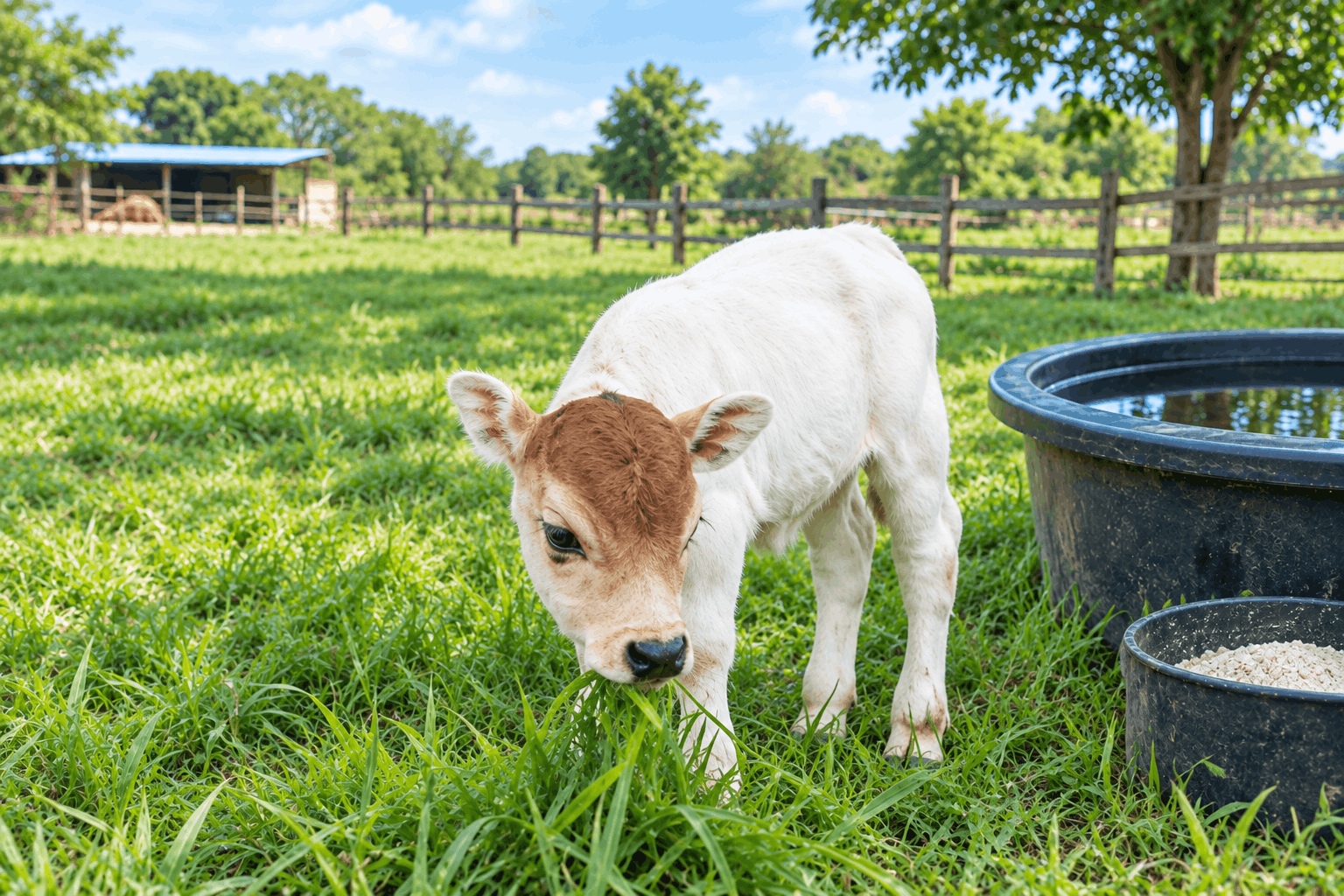
Do not feed your mini cow large quantities of grain or rich snacks just because she likes eating them. Mini cows tend to become over-conditioned when not fed properly.
The nutritional needs of mini cows may differ depending on various factors such as age, pregnancy, lactation, exercise needs, body condition, among other health considerations. If you are not sure about the amount of feed that should be fed to your animal, seek advice from your vet.
Hygiene Is Your First Line of Defense
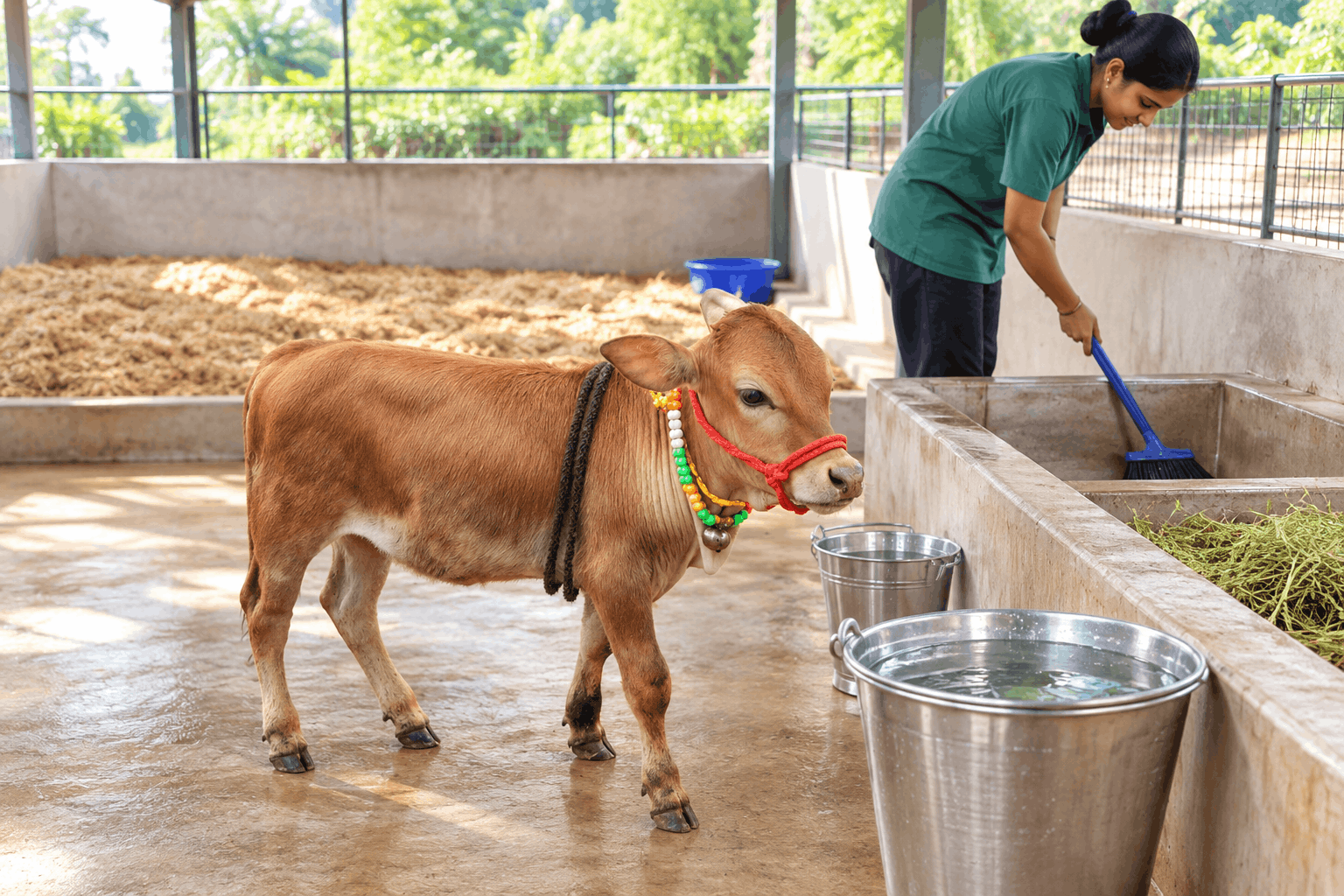
When I look at your cattle, I always tell you how much the environmental surroundings of your animal affect the health of your cattle.
If there is too much manure, wet bedding, dirty water buckets, or poor drainage in the pen of your cattle, then chances are that you are increasing the risk of infections in your cattle.
What Should Every Mini- Cow Owner Check?
- Fresh, clean drinking water should be available every day.
- Feed should be clean, fresh, and free from mold.
- Manure and wet bedding should be removed regularly.
- Feeders and water containers should be cleaned frequently.
- Hooves should be checked regularly for overgrowth or abnormalities.
- Observe the eyes, nose, skin, coat, appetite, and manure for changes.
- New or sick animals may need separation to reduce disease transmission.
- Parasite control should be based on veterinary advice and local risk.
Vaccination: Don’t Wait for Disease
The largest error owners can commit is believing that vaccines are important only after a disease has been diagnosed.
Vaccination is considered a preventive healthcare practice. For a mini cow, proper vaccination protocol will depend on a number of things such as age, geographical location, herd exposure, pregnancy state, past vaccination records, and common diseases in the area.
As a veterinarian, I do not advise that you simply follow the vaccination program of another cow. There are some vaccines that may need several doses before they are given again at regular intervals.
Your veterinarian will be able to create an immunization program for your mini cow based on its specific needs.
Mini Cow Health Checks and Vaccination
Seeking veterinarian services for your mini cow should not be based on it losing appetite or falling ill.
Sometimes variations in your pet’s appetite, behavior, physical condition, respiration, excrement, urination, movement, etc., may serve as early warning signs. Veterinary exams will allow potential health issues to be detected at a much earlier stage.
Healthy Mini Cow Starts With Prevention
As a vet myself, I recommend that owners of mini-cows concentrate not only on curing but also on preventing disease through regular practice.
Feed your mini cow properly, keep hygiene levels high, administer vaccines according to the advice of your vet, keep parasitic levels low, and watch out for your mini cow.
Because, as far as your mini cow’s health is concerned, an ounce of prevention is worth a pound of cure.
References Link: https://pmc.ncbi.nlm.nih.gov/articles/PMC8595237/