
Discover the Beautiful Meaning Behind Gau Pooja Rituals
Remember the nights you fell sick as a child? Your mother stayed awake beside you, pressing a warm glass of milk into your hands. She never asked for thanks. She asked for nothing, except that you be well.
Now think of someone else who gives the same way: a cow, standing quietly at dawn, feeding children she will never meet. No name. reward. No “thank you.”
Perhaps that is why our elders never saw her as just an animal. They called her Gau Mata, Mother. And every time we forget how much she gave us, that word reminds us.
1. Why She Is Called “Mother”
Consider how the mother works. She serves the food to you first and then eats it herself. She gives, she never counts.
The cow does the same. Indian families have been nourished by her milk, without the hue and cry, without asking anything in return. That’s why she is regarded as a symbol of giving, caring and loving.
Honouring the cow is a ritual for the Hindus, and it’s not just any old cow; it’s a sacred one. It is an expression of gratitude for all that supports, provides and enables the human person.
2. Gods Who Are Connected to Gau Pooja Rituals
The cow is not just present in Hindu stories. She stands beside the divine.
- Lord Krishna (Gopala): Beloved cowherd, who looked after and protected cows
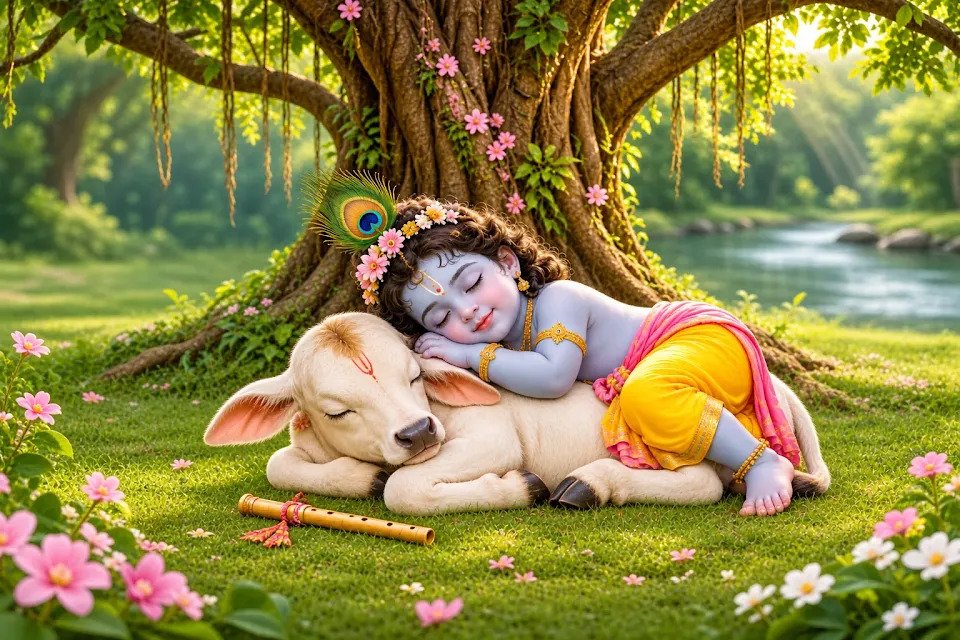
- Lord Shiva: Divine bull Nandi, a symbol of devotion and power
- Kamadhenu: Divine wish granting cow, a symbol of abundance, wealth and sustenance.
- Gau Mata: the motherly figure who stands for kindness, patience, and generosity
Through scriptures, stories, and rituals, these bonds made the cow spiritually sacred in Hindu tradition.
3. She Carried Indian Life on Her Back
Long before machines and supermarkets, cows were already doing their job supporting the household and farm.
- Milk and dairy: milk, curd, ghee and butter, filling kitchens and temple offerings
- Agriculture: bullocks ploughing, carrying loads for farmers
- Organic farming: Cow dung as natural manure, maintenance of the fertility of the soil.
- Cow products used in some Hindu rites, customs and traditions.
She gave, giving and giving. Her spirit became a symbol of abundance, thankfulness and sustainability.
4. Why Do Gau Pooja Rituals Go Beyond Worship?
Cow worship is not just about praying to cows but what type of person it makes you. Being kind to animals is a sign of compassion and respect for life according to Hindu philosophy.
Worshipping Gau Mata reminds us to practise:
- Ahimsa: never harming any living creature
- Gratitude: being thankful for nature and what it provides
- Compassion: being kind to animals
- Respect for nature: knowing the connection between humans, animals and the natural world.
These values make cow worship meaningful beyond religious boundaries.
5. Why Do Hindus Perform Gau Pooja?
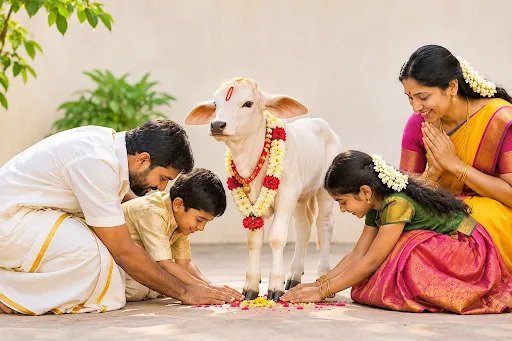
Gau Pooja is a traditional Hindu ceremony where offerings of flowers, turmeric, kumkum and food are made to cow as a token of thanks and for blessings from the divine
Gau Pooja is usually performed on festivals, religious occasions and auspicious dates. Many families believe that by serving and looking after cows you will bring peace, prosperity and positive vibes into your family
Bring Gau Mata’s Blessings Home
You don’t have to go all out, sometimes the simplest form of worship is the most beautiful spiritual experience.
Mini Cow Pooja is an easy and genuine way to celebrate the divine importance of Gau Mata. It’s perfect for if you want to:
- Celebrating a special occasion with meaning
- Ask for blessings for your family
- Teach your children about Hindu customs and values
Experience Indian culture and spirituality right from in your own home.
Your family will be able to experience the beautiful values of love, thanks, compassion and devotion of Gau Mata.
Get in touch with us to book your Mini Cow Pooja and make your celebration extra special.