
Why Are Miniature Cows’ Facial Expressions So Interesting?
Do you ever wonder what a miniature cows might be thinking when it first sees something unfamiliar? The surprising, sudden turn of its head, the intense focus, or even a sudden reaction may make a routine farm occurrence quite interesting.
These small animals have many things hidden behind their innocent looks. Their facial expressions and movements reflect the way they view and note their surroundings and how they react to them. This helps to open up an endearing world of small cows.
1. Can You See Curiosity in a Miniature Cow’s Face?
Bullying the cattle with curiosity is an important aspect of cattle’s way of exploring their environment. If a miniature cow comes across something it doesn’t recognize, it may stand up, raise its head, and/or direct its eyes at the object.
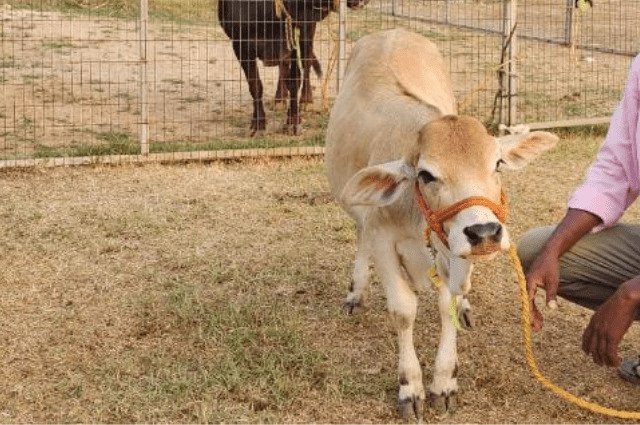
Changes in the feeding bucket, a new sound, or an intruder on the farm can distract it. These reactions are a natural learning and exploring process. The behavior of a cow in relation to new experiences may also indicate interesting details about individual behaviour.
2. How Do Miniature Cows Show Alertness?
Cattle are naturally attentive animals. Sometimes their facial expressions become dynamic when they see something in their immediate environment.
A forward-pointing ear, focused eye, and lifted head may mean the animal is listening to you. These responses are particularly helpful in situations where cattle must pay attention to what is happening around them, such as in an open setting.
They don’t always react to their expressions of being alert with fear, sometimes it is just an interest in something happening around them.
3. What Makes Miniature Cow Facial Markings Unique?
The unique aspect that makes miniature cows visually interesting is the diversity of patterns on their faces. Their forehead may be white, with dark eye markings, coloured muzzles, or contrasting facial coats, depending on their breed and genetics.
These markings will make the animals easy to identify. Even two cows of the same breeding type may be distinct with regard to their physical traits, and these differences are especially intriguing when comparing them.
4. Do Miniature Cows Have Different Expressions During Feeding?
Some of the most valuable times to see the natural behaviour of cattle are feeding time. They are always picking, chewing, and digesting food, and their mouths and muzzles are always in play.
You may notice:
- They are chomping on grass as they pick it.
- How they react to various scents of food through their nostrils.
- Repeated jaw movements while chewing.
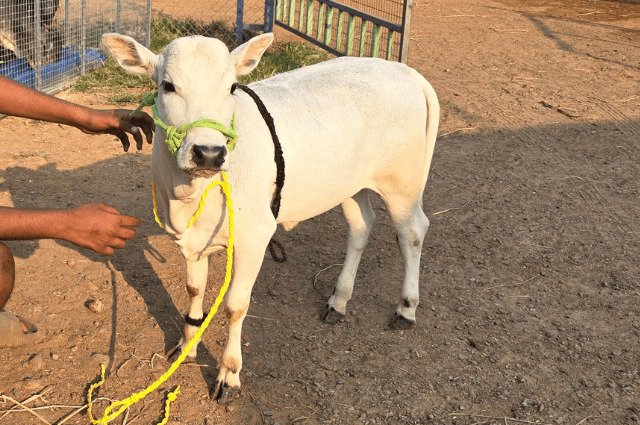
- Turning their head around to feed.
- Their body language relaxes while they are familiar with feeding.
These movements are connected to the specialised feeding and digestive system of cattle.
5. Can Their Faces Reflect Their Social Interactions?
Miniature cows are social animals, and communication between cows and with each other goes beyond audible noises. They communicate using head positions, body posture, movement, and sensory cues.
Pairings of two familiar animals can involve approaching each other, smelling, or walking around together over the feeding area. Their facial attention and head movements often accompany these social interactions.
6. What Can Miniature Cows’ Expressions Tell Us?
Animals don’t react in the same way to all things. Some small cows might be curious about a new object, while others might want to watch it from afar.
These reactions can be affected by age, previous experiences, temperament, and surroundings. The learning of the normal behavior of each animal helps the owner to recognize when the animal is comfortable and when it is not.
Discover the Character Behind Those Fascinating Faces!
Tiny cattle provide us with a lot of benefits rather than just looking cute. The interesting character they possess, along with their incredible coloration and the natural way they behave in their environment, results in amazing observation of these beautiful animals. The more time we try to comprehend their behavior, the more impressed we become with their personalities.
Looking to welcome one of these remarkable animals to your farm? Explore our Miniature Cows for Sale and find a wonderful new addition to your farm family!