
5 Warning Signs of Mini Cow Dental Problems to Watch
Those cute faces may have a problem that you’ll be surprised to know! Imagine your little cow racing up to its favourite snack and stopping halfway through the treat. At first, you may think it’s just being picky, but it may actually be painful for it to eat! It’s up to you to spot any dental issues your precious mini cow is having.
Why Do Mini Cows Have Teeth Problems?
Mini cows need to have healthy teeth and mouths to be able to chew their food (grass, hay, etc). They can suffer from dental problems such as trauma, mouth infections, and incorrect wear. This can affect their ability to eat properly. As they cannot tell us where they are in pain, we must look out for behavioural changes.
5 Warning Signs You Should Never Ignore
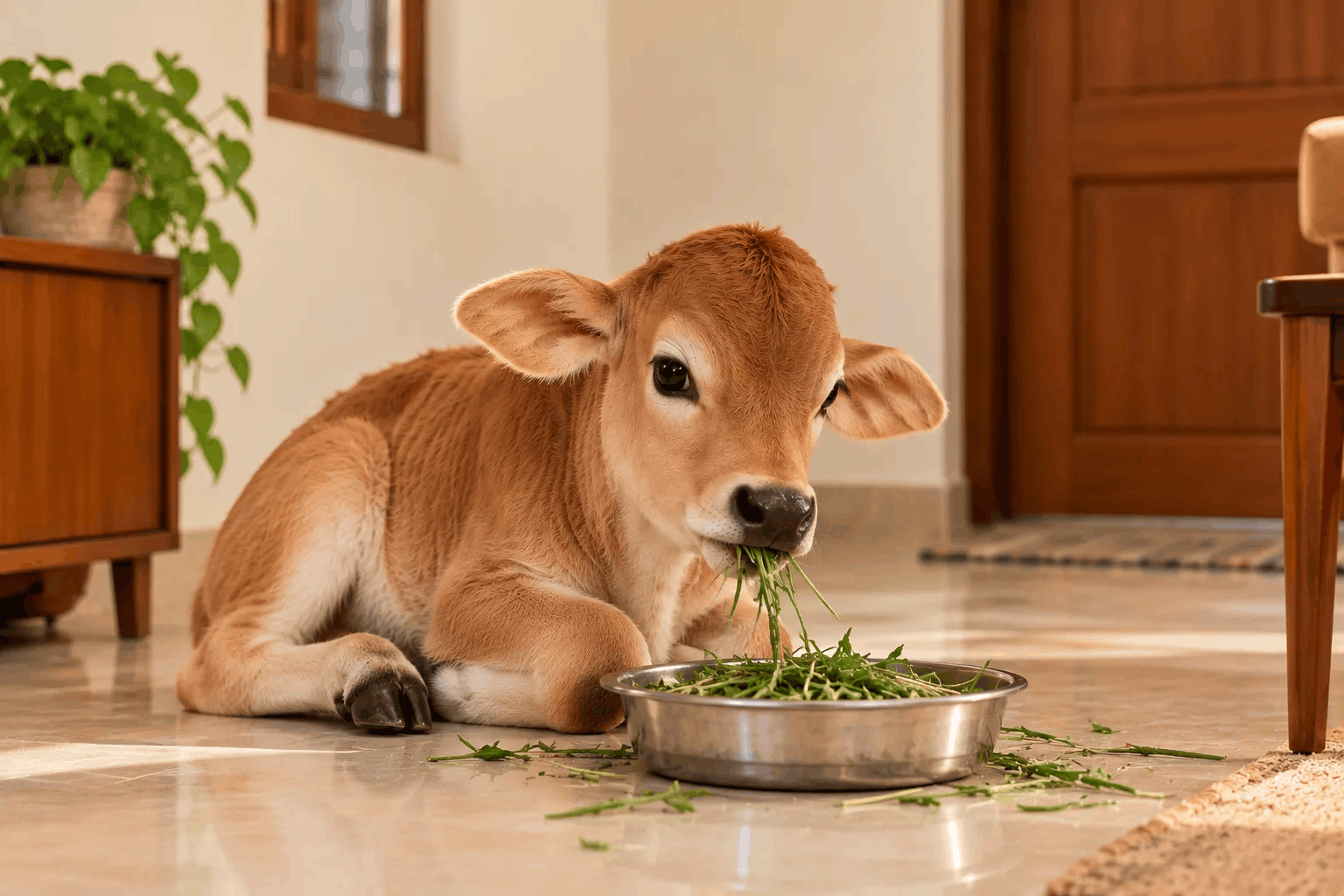
1. Is Your Mini Cow Turning Away From Its Favorite Food?
Have you noticed that your mini cow has been leaving some food behind in its bowl or having trouble chewing some of its favorite snacks? This can be indicative of oral pain or another problem with your cow’s health. Notice any abnormal behavior regarding your cow’s eating.
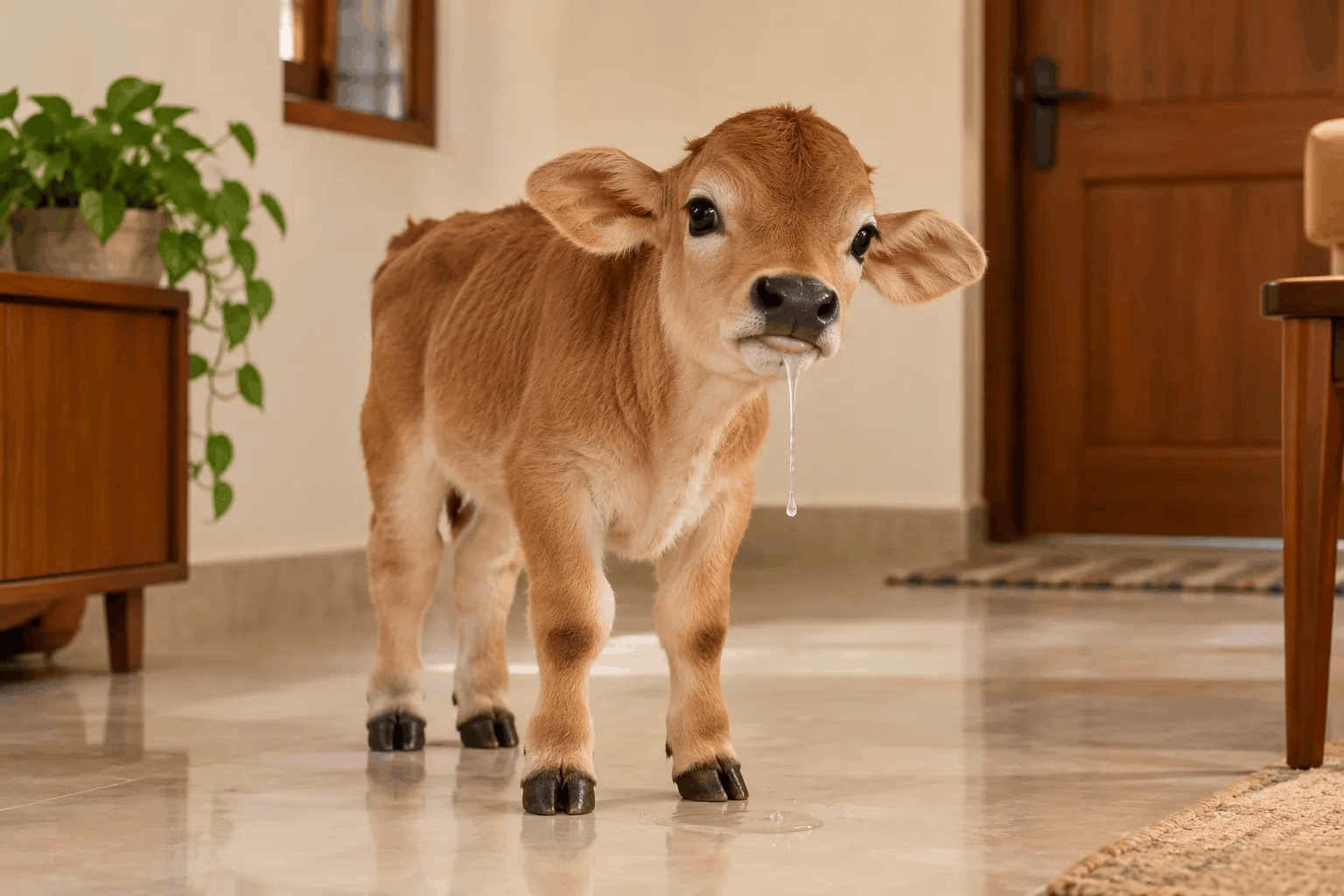
2. Why Is Your Mini Cow Drooling So Much?
Does your mini cow have more saliva than usual? Too much saliva might indicate that there is irritation in the mouth, injuries, or difficulty in swallowing. If this is the case for your mini cow, you should consult a vet.
3. Does Your Mini Cow Have Stinky Breath?
Bad breath that is constant in your miniature cow could be a sign that something might be wrong with the cow’s mouth. Watch out for any swelling, discharge, or even poor appetite in your miniature cow.
4. Is Your Mini Cow Getting Thinner?
If chewing becomes uncomfortable for your mini cow, then he may eat less and lose weight. Poor dental health is one reason why your animal may display such symptoms.
5. Is Your Mini Cow Chewing Strangely?
Picking up food, eating slowly, or constantly moving the head when eating can be signs of discomfort. A vet can help identify if there is a dental or oral issue, or another issue.
What Can You Do to Keep Your Mini Cow Healthy?
If you see anything unusual, these are a few easy tips to follow:
- Monitor feeding patterns: Any decrease in appetite, chewing, or drinking.
- Provide fresh water: Always provide fresh and clean drinking water.
- Have veterinary visits: If it is suitable, allow a veterinary examination of the mouth and teeth of your cow.
- Choose the correct feed: Feed as per the mini cow’s age and health.
- Avoid home treatment: For repair or removal of teeth, don’t give any painkiller drug to a human, and do not attempt to repair or pull teeth.
When is it urgent? Seek veterinary help if your mini cow can’t breath, can’t swallow or is very swollen in its mouth. By not eating and a serious illness expression, it is necessary to make a timely response.
How Can You Prevent Mini Cow Dental Problems?
Dental problems can still happen. Taking action in your pet’s veterinary care, diet, and spotting signs early on can make a difference. To get advice for your pet, reach out to your large animal veterinarian or the veterinary teaching hospital in your area.
Final Thoughts: Could Your Mini Cow Be Asking for Help?
A small change in eating behavior may be a clue that something is wrong. Paying attention can help you get your cow the care it needs.
Calling all mini cow lovers! Have you noticed any unusual chewing or eating habits in your cow? Share your experience in the comments, and share this article with someone who loves these adorable animals!
References Link: https://pmc.ncbi.nlm.nih.gov/articles/PMC12873492/