

Can Regular Health Checks Improve Small Cow Milk Production?
Frequent health exams are essential to ensuring healthy dairy animals and steady milk yields. A cow can develop a problem, like mastitis, deficiencies, lameness, reproduction, or metabolic disease, and look healthy. Health checks for small cows can be carried out to determine these issues at an early stage and prevent further issues from occurring. The purpose of a veterinary health-management program is to minimize disease and management issues and losses to the producer.
1. Can Small Cow Health Checks Prevent Milk Production Losses?
Some problems may affect one’s health, such as appetite, digestive system, mobility, fertility, and finally milk production. Through routine checkups, it is possible to identify such problems early enough.
The veterinarian will examine:
- The condition of the body and weight.
- Good health and comfort of the teats and udder
- Hooves and movement
- Temperature and general behaviour
- Reproductive condition
- Symptoms of parasites or infection
Early treatment will hasten recovery and reduce the possibility of losses due to lower productivity.

2. Increased feed conversion ratio (FCR) Higher milk yield
Nutrition is very closely linked to milk production. Dairy animals require a suitable amount of energy, protein, minerals, vitamins, water and fibre based on the stage of lactation and growth.
A health check will check body condition and may indicate nutrition-related issues at a vet visit or nutrition appointment. This can enable farmers to make appropriate changes to their feeding regimes.
3. Can Small Cow Udder Checks Improve Milk Quality?
Mastitis is a significant issue in dairy herds, as an inflammation of the udder can impact the health of the animals as well as the yield of milk. Problems can be detected earlier with regular screening and milking management.
Farmers should be mindful of:
- A bulging or an unusually hot udder
- Changes in milk appearance
- Pain during milking
- Reduced milk output
- Poor teat condition
Routine mastitis monitoring can be integral to a successful dairy health program.
4. Reproductive Health Maintains Productivity.
Proper reproduction management can ensure cows’ productive lactation cycles. Pregnancy, reproductive issues, and possible problems that can affect the success of a breeding program can be diagnosed with a veterinary exam.
Good reproduction can also minimize unproductive delays between calvings and contribute to increased lifetime productivity.
5. Having access to health records simplifies farm management.
Individual records enable a farmer to make comparisons of health and production throughout the year.
Useful information includes:
- Milk production per day or period
- Vaccination history
- Treatments provided
- The breeding and calving dates are as follows:
- Feed-related observations
- Disease history
Frequent checking of these records will show variation in performance and indicate which animals need special attention.
6. Preventive Healthcare Benefits the Entire Flock
Vaccinations are not limited to ill animals. Appropriate vaccinations, control of parasites, hygiene, feeding analysis, and monitoring of the whole herd will reduce the chance of having an outbreak of any disease.
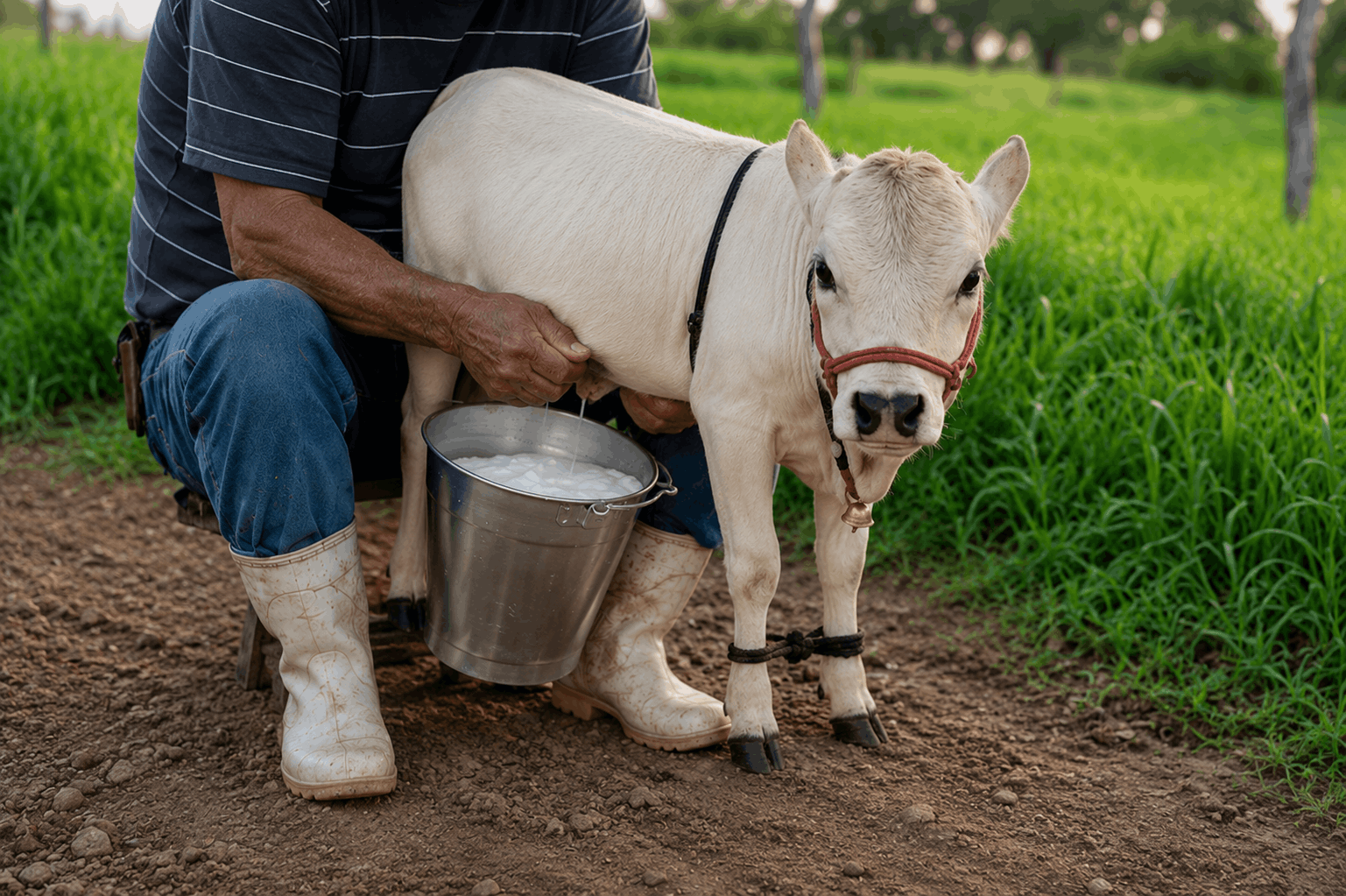
In the preventive method, the farmer does not need to think of any disease that could infect the livestock but can focus on their health.
Conclusion
A good small cow health program can make a substantial contribution to improved animal health, disease control, reproduction and milk production. Good nutrition, udder care, prevention measures, recordkeeping and veterinary advice should be a complete package in the management of the herd. More productive animals and better long-term welfare of the animal are likely to occur if it is healthy, rather than sick.
Do you want to know more about responsible cattle care? Go to Theminicow for tips on all aspects of miniature cows, nutrition, health, grooming, and day-to-day management of cattle.
References Link:
https://www.sciencedirect.com/science/article/abs/pii/S0301622600001949